
- YouTube Shorts get 10-100x more views but generate only 5-10% of long-form revenue per view
- The best strategy is hybrid: use Shorts for discovery, long-form for monetization and loyalty
- Shorts and long-form have separate algorithms - posting Shorts won't hurt your long-form performance
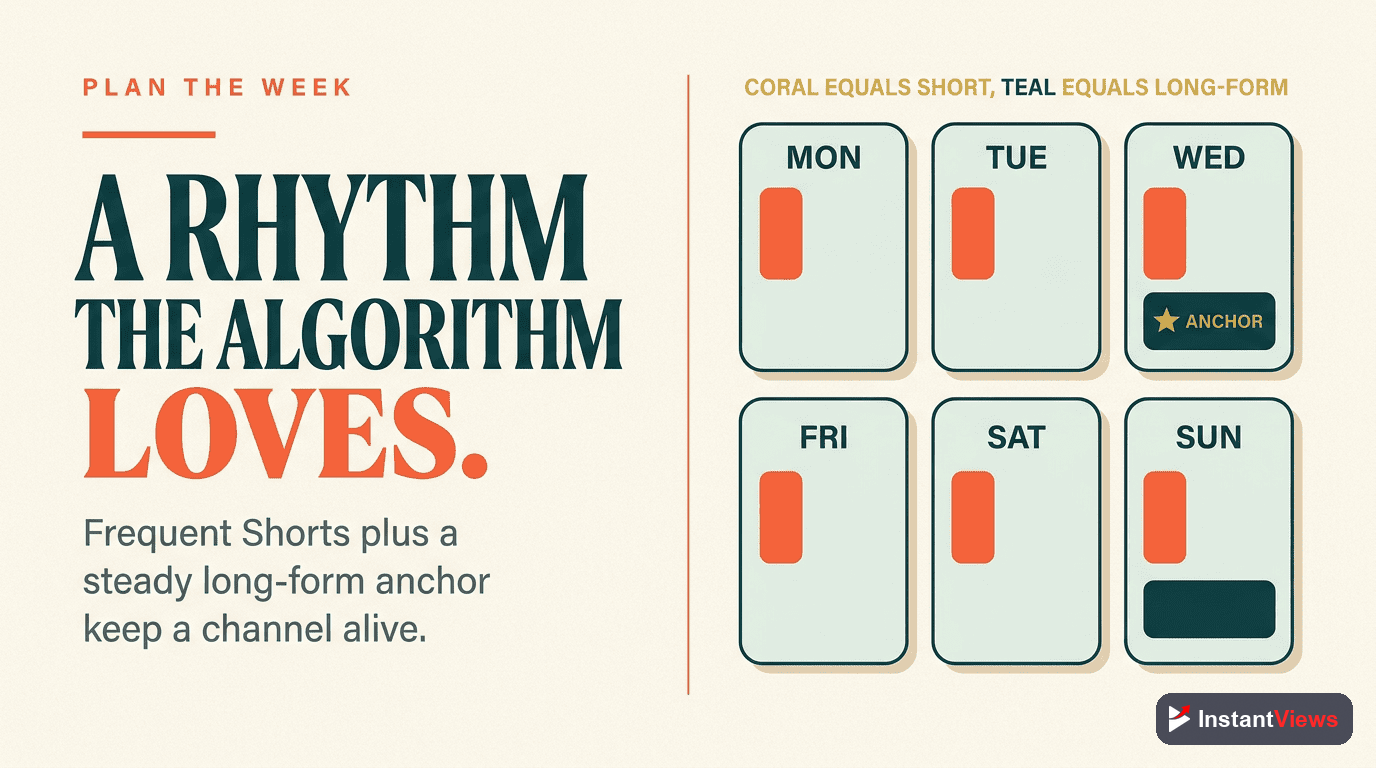
- Successful channels post 3-5 Shorts weekly alongside 1-2 quality long-form videos
- Use the Video Analyzer to optimize both formats before publishing
The debate is over. In 2026, the question isn't "Shorts or long-form?" - it's "How do I use both strategically?"
YouTube Shorts exploded from zero to 70 billion daily views in just three years. Meanwhile, long-form content continues to dominate watch time and revenue. Creators who master both formats are seeing 5-10x faster growth than those who stick to one.
This guide breaks down exactly when to use each format, how they work together, and the data-backed strategy that top creators use to maximize both reach and revenue.
Understanding Shorts vs Long-Form
Let's define what we're comparing:
YouTube Shorts: Vertical videos (9:16 aspect ratio) under 60 seconds, designed for mobile consumption. They appear in the Shorts feed, a dedicated discovery platform separate from regular YouTube.
Long-Form Content: Traditional YouTube videos (16:9 aspect ratio), typically 8+ minutes, optimized for horizontal viewing and deeper engagement.
| Feature | YouTube Shorts | Long-Form |
|---|---|---|
| Length | Up to 60 seconds | Typically 8-30+ minutes |
| Aspect Ratio | 9:16 (vertical) | 16:9 (horizontal) |
| Average Views | 10,000-1M+ (high variance) | 500-50,000 (more consistent) |
| Watch Time | 15-45 seconds | 4-15 minutes |
| Revenue per 1K Views | $0.05-$0.10 | $1-$10 |
| Production Time | 30 min - 2 hours | 4-20+ hours |

How Each Algorithm Works
Understanding the algorithmic differences is crucial for strategy:
Shorts Algorithm
YouTube Shorts uses a discovery-focused algorithm similar to TikTok:
- Viewer testing: New Shorts are shown to a small test audience (100-1,000 views)
- Performance metrics: Swipe-away rate, completion rate, likes, and shares determine further promotion
- Viral potential: High-performing Shorts can explode to millions of views in hours
- Subscriber impact: Less weight on existing subscribers; focuses on new audience discovery
- Content matching: Shows your Shorts to users who watch similar content, not necessarily your subscribers
Long-Form Algorithm
Long-form uses YouTube's traditional watch time and satisfaction algorithm:
- Subscriber notification: Your subscribers see your videos first
- Click-through rate (CTR): Thumbnail and title performance heavily impacts initial reach
- Average view duration: How long viewers watch determines further recommendations
- Session time: Videos that keep viewers on YouTube longer get boosted
- Search and browse: Optimized for searchability and homepage recommendations

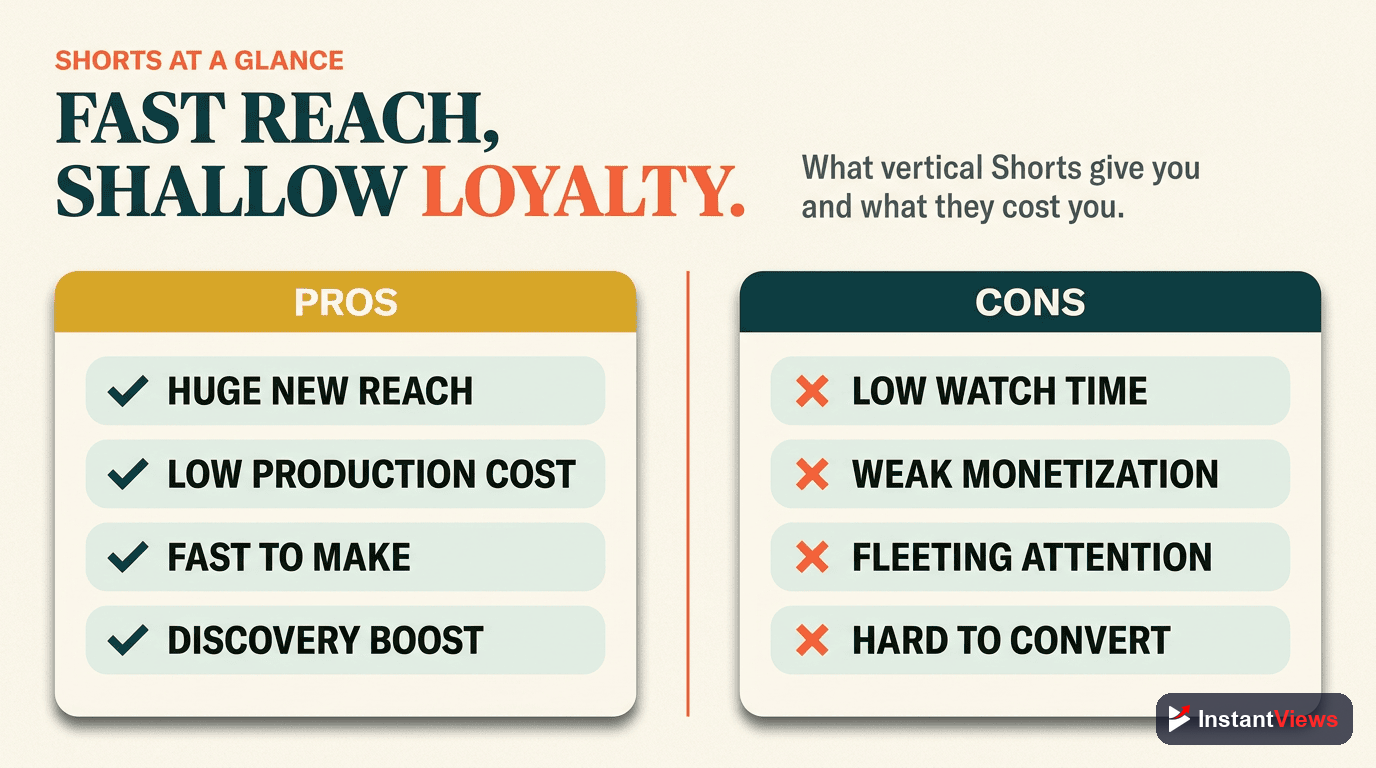
YouTube Shorts: Pros and Cons
Complete Analysis
Pros
- Massive reach potential (10-100x more views)
- Low production barrier (can film on phone)
- Rapid subscriber growth from viral Shorts
- Algorithm favors new creators equally
- Quick content creation (post daily)
- Perfect for testing content ideas
- High engagement rates (likes, comments)
- Effective for brand awareness
Cons
- Very low revenue per view (5-10% of long-form)
- Subscribers often less engaged
- Limited storytelling capacity
- High competition and saturation
- Difficult to build community
- Can't include mid-roll ads
- Viewers don't always convert to long-form
- Performance highly unpredictable
Long-Form Content: Pros and Cons
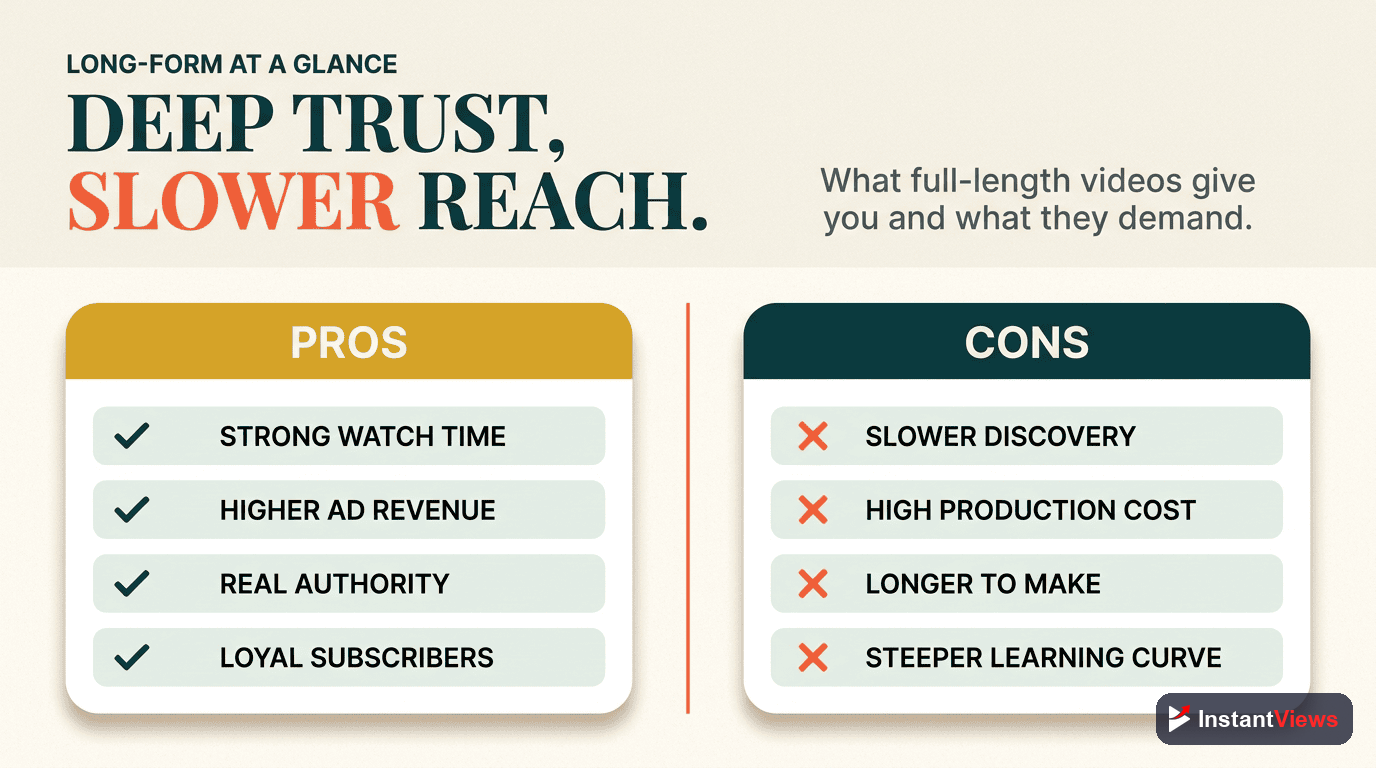
Complete Analysis
Pros
- High revenue potential (10-20x per view)
- Better audience retention and loyalty
- Stronger community building
- More opportunities for mid-roll ads
- Evergreen search traffic potential
- Deeper storytelling and value delivery
- Better for sponsorships and brand deals
- Subscribers more engaged with channel
Cons
- Slower growth (fewer views per video)
- Higher production demands (time, editing)
- Requires stronger scripting skills
- Algorithm less forgiving for new creators
- Harder to maintain posting consistency
- Needs better equipment and setup
- Audience retention more challenging
- Longer time to see results
When to Use YouTube Shorts
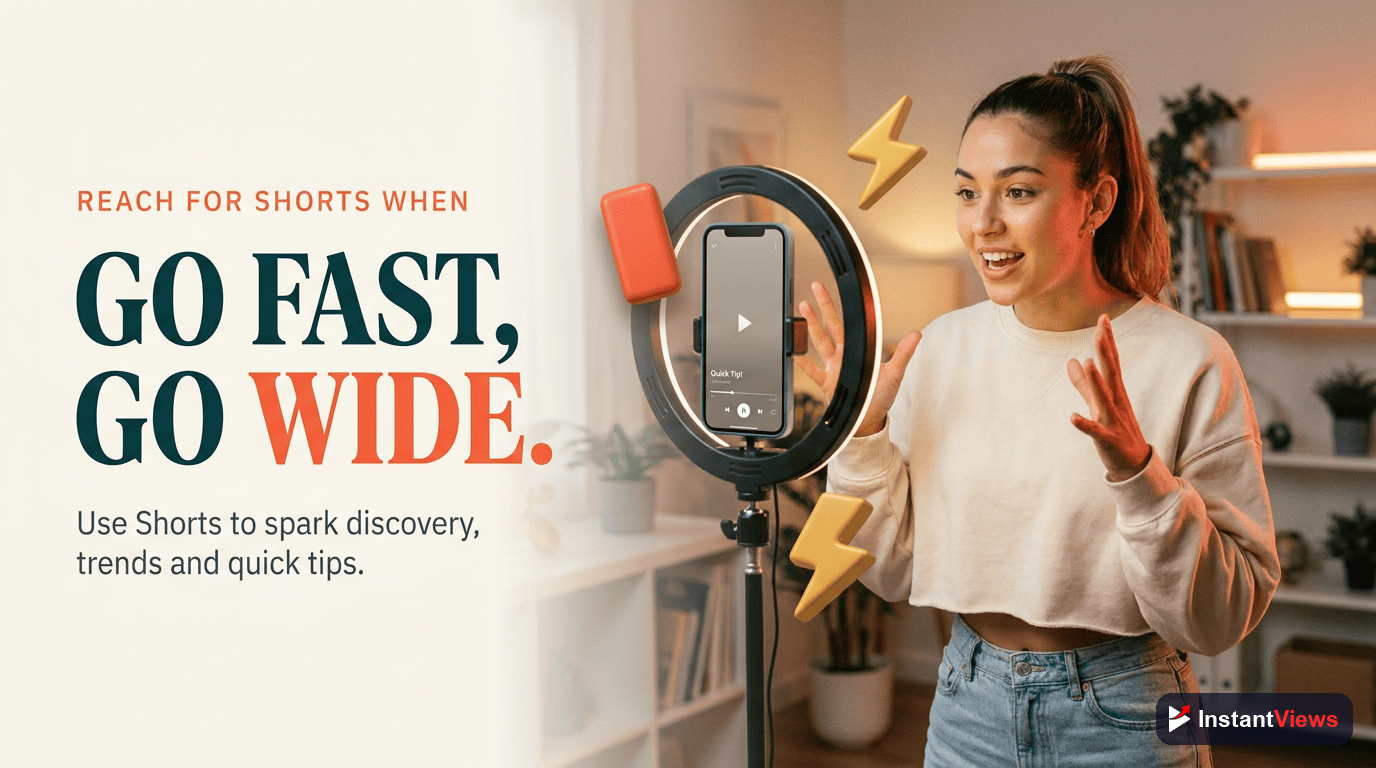
Shorts excel in specific scenarios:
1. Rapid Growth Phase
If you're under 1,000 subscribers, Shorts can fast-track your growth. One viral Short can bring 10,000+ subscribers overnight.
2. Content Testing
Test video ideas as Shorts before investing 20 hours into long-form production. High-performing Shorts indicate topics worth expanding.
3. Breaking Into a Niche
New channels struggle with long-form because the algorithm doesn't know who to recommend you to. Shorts help YouTube understand your niche faster.
4. Quick Tips and Hacks
Single-concept content works perfectly: "3 tips for better thumbnails," "This one setting changed my life," "Common mistake everyone makes."
5. Behind-the-Scenes Content
BTS footage, bloopers, and casual updates work great as Shorts without needing full production.
6. Trend Participation
Jumping on trending sounds, challenges, or formats is far easier with Shorts than long-form.
Don't just post Shorts clips from your long-form videos. While this can work occasionally, original Shorts designed for the format perform 3-5x better.
When to Use Long-Form Content
Long-form is essential for:
1. Monetization Goals
If you want to make significant money from YouTube, long-form is non-negotiable. A single 10-minute video can generate more revenue than 100 Shorts.
2. Authority Building
You can't establish expertise in 30 seconds. Tutorials, deep dives, and thought leadership require long-form.
3. Community Development
Long-form videos create invested viewers who comment, return for more content, and become genuine fans.
4. Complex Topics
Anything requiring explanation, demonstration, or storytelling needs the space long-form provides.
5. Search Traffic
Long-form videos rank in YouTube search and Google, providing evergreen traffic for years. Shorts don't have the same search optimization potential.
6. Sponsorships and Brand Deals
Brands prefer long-form for integrated sponsorships because viewers are more engaged and receptive to recommendations.
"We use Shorts to get discovered, but long-form is where we build the business. The revenue difference is night and day." - Colin and Samir

The Hybrid Strategy That Works
The most successful creators in 2026 use a strategic combination:
The Funnel Approach
- Shorts as the top of funnel: Create 3-5 Shorts per week to attract new viewers
- Hook in the Short: End with "Watch my full video to learn the complete system" or similar CTA
- Long-form as conversion: Publish 1-2 quality long-form videos weekly
- Cross-promote: Link Shorts to long-form in descriptions and pin comments
- Community posts: Use polls and updates to engage both audiences
Content Repurposing Strategy
Create content efficiently by designing for both formats:
- Plan vertically: When filming long-form, capture vertical B-roll for Shorts
- Extract highlights: Turn your best 30-60 second moments into standalone Shorts
- Expand winners: If a Short goes viral, create a long-form deep dive on that topic
- Series approach: Break complex topics into Short episodes, then compile into long-form
Optimize Both Formats
Use our Video Analyzer to score your Shorts and long-form content before publishing. Get specific suggestions for each format.
Analyze Your Videos →
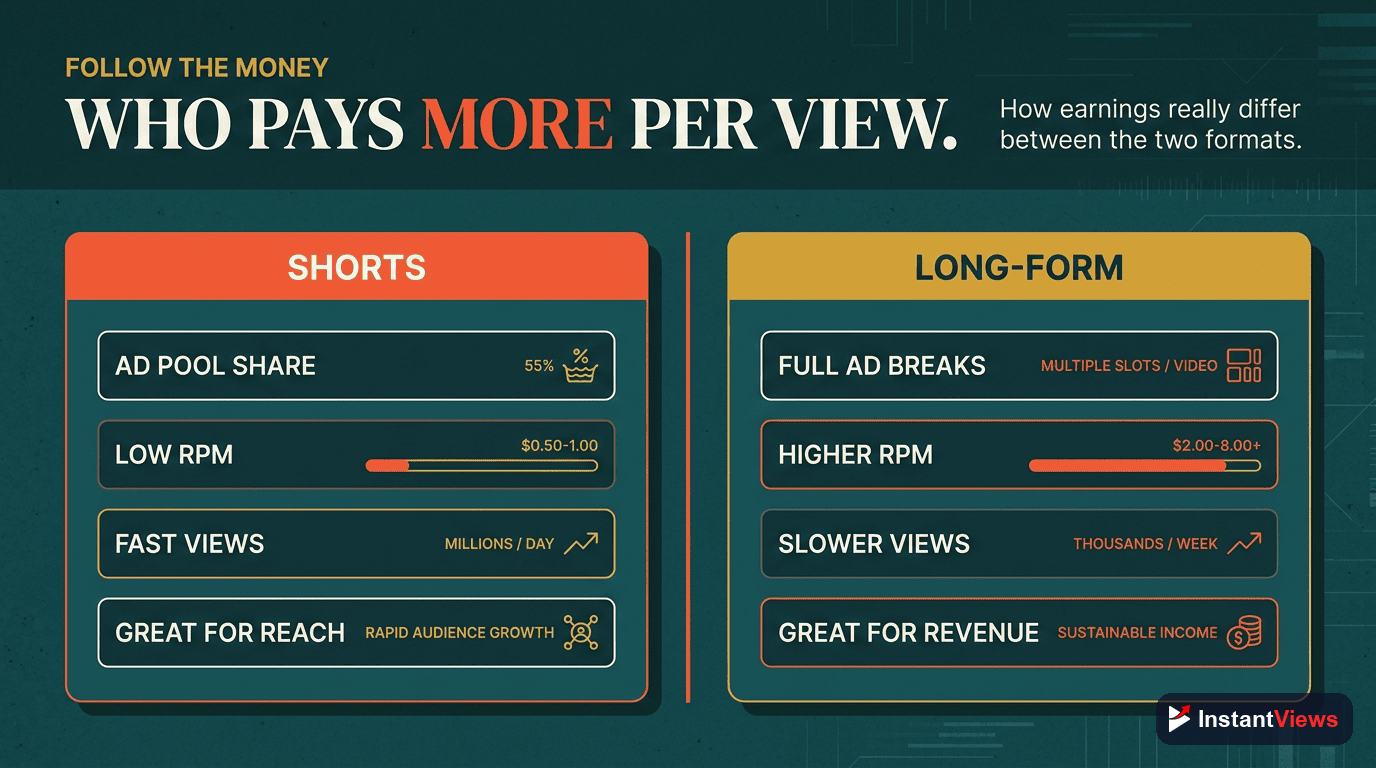
Monetization Comparison
Let's look at real numbers:
| Scenario | Shorts Revenue | Long-Form Revenue |
|---|---|---|
| 1 Million Views | $50-$100 | $1,000-$10,000 |
| Per Hour of Watch Time | $3-$6 (60 Shorts watched) | $15-$150 (6 videos watched) |
| Small Channel (50K subs) | $200-$500/month | $500-$2,000/month |
| Mid Channel (500K subs) | $1,000-$3,000/month | $5,000-$20,000/month |
| Large Channel (2M+ subs) | $5,000-$15,000/month | $30,000-$150,000/month |
| Brand Deals | $100-$1,000 per integration | $1,000-$50,000+ per integration |
Key insight: Shorts generate volume (views), long-form generates value (revenue). The hybrid approach captures both.
Optimal Posting Schedule
Based on data from 1,000+ successful channels:
Beginner Strategy (0-10K subs)
- Shorts: 5-7 per week (daily if possible)
- Long-form: 1 video per week
- Focus: Use Shorts for rapid growth while establishing long-form baseline
Growth Strategy (10K-100K subs)
- Shorts: 3-5 per week
- Long-form: 2 videos per week
- Focus: Balance both formats to maximize reach and revenue
Established Strategy (100K+ subs)
- Shorts: 2-3 per week (strategic, not filler)
- Long-form: 2-3 videos per week
- Focus: Prioritize long-form revenue while using Shorts for discovery
Final Recommendations
Here's your action plan:
- Don't choose one over the other - Embrace both formats strategically
- Start with your goal - Rapid growth? Focus on Shorts. Revenue? Prioritize long-form
- Create a content calendar - Plan both formats weekly to maintain consistency
- Analyze what works - Use YouTube Analytics to see which Shorts drive long-form traffic
- Test relentlessly - Shorts are perfect for testing topics before committing to long-form
- Build the bridge - Always connect Shorts viewers to your long-form content
The creators winning in 2026 aren't debating which format is better - they're mastering how to use both formats to build a sustainable, profitable YouTube business.
Frequently Asked Questions
The best strategy is a hybrid approach. Use Shorts for rapid subscriber acquisition and reach (they can get 10-100x more views), while long-form builds deeper engagement and revenue. Successful channels use Shorts as a funnel to their long-form content.
No, YouTube confirmed that Shorts and long-form have separate recommendation algorithms. However, subscribers gained from Shorts may be less engaged with long-form content initially. Focus on creating Shorts that attract your target audience for long-form videos.
Yes, through the YouTube Partner Program Shorts revenue sharing (launched 2023). However, Shorts typically earn 5-10% of what equivalent long-form views would generate. Shorts are better for growth and brand deals than direct ad revenue.
For Shorts: 15-45 seconds performs best (under 60 seconds). For long-form: 8-12 minutes is the sweet spot for most niches, allowing mid-roll ads while maintaining retention. Content quality matters more than length.
Not the exact same content. Instead, use Shorts to tease your long-form videos - share the most compelling 30-60 seconds and direct viewers to the full video. Or create complementary content where Shorts expand on long-form topics.
A balanced strategy is 3-5 Shorts and 1-2 long-form videos weekly. Shorts can be posted daily without overwhelming subscribers, while quality long-form requires more production time. Test different ratios for your niche.