- Playlists can increase total watch time by 50-100% when optimized correctly
- Well-structured playlists rank independently in YouTube search, creating multiple discovery paths
- Session time from playlists is weighted heavily by the algorithm for channel recommendations
- Strategic video ordering can reduce drop-off rates by up to 40%
- Use the InstantViews Video Analyzer to identify which videos work best in playlist sequences
YouTube playlists are one of the most underutilized SEO tools on the platform. While creators obsess over individual video optimization, they miss the opportunity to multiply their watch time by organizing content strategically.
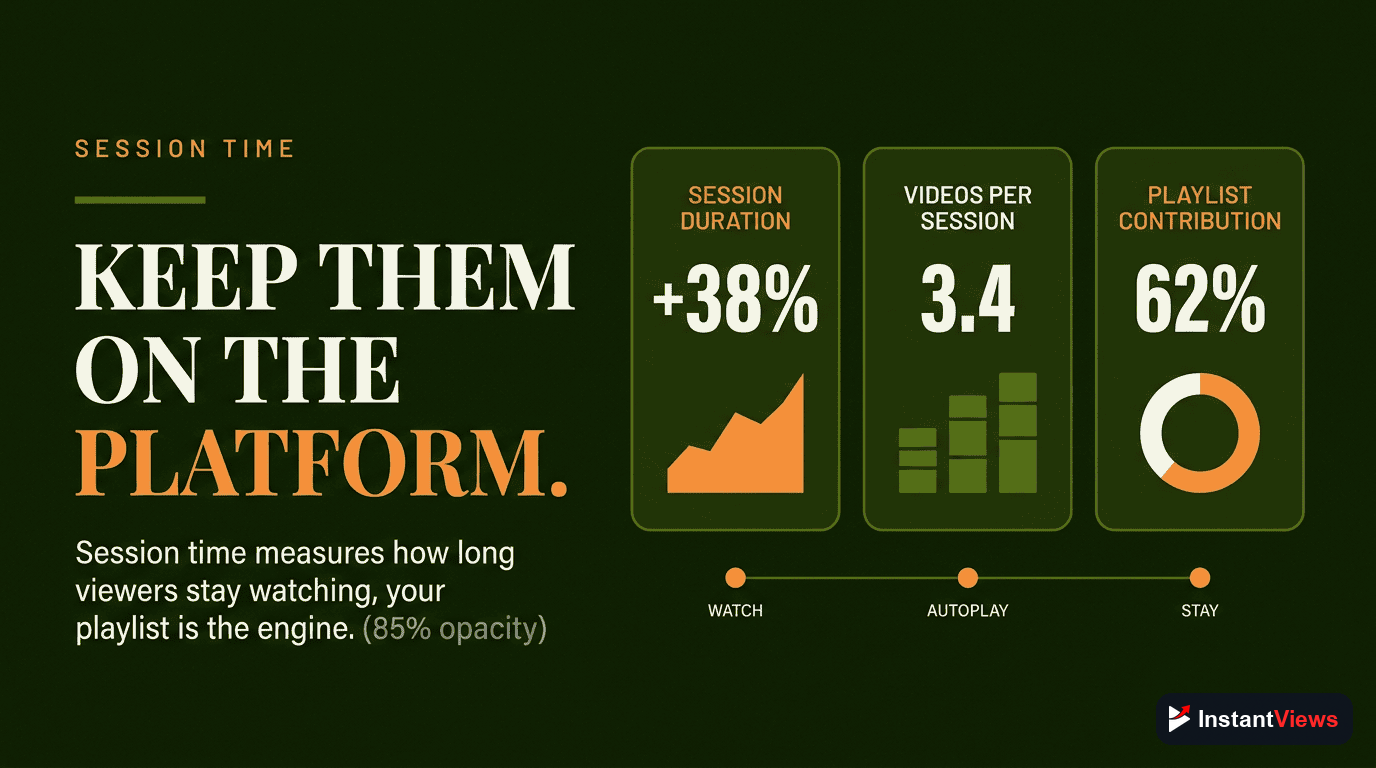
The algorithm doesn't just measure how long someone watches one video - it tracks session time: how long viewers stay on YouTube after discovering your content. Playlists are the primary way to extend sessions and signal quality to the algorithm.
This complete guide reveals the exact strategies top channels use to turn casual viewers into binge-watchers through optimized playlist architecture.
Why Playlist SEO Matters in 2026
YouTube's algorithm has evolved to prioritize session time over individual video metrics. Here's why playlists are critical:
- Session time multiplier - Viewers who watch playlists consume 3-5x more content per session
- Independent ranking - Playlists appear in search results separately from videos, doubling your visibility
- Algorithm signals - Extended sessions tell YouTube your channel provides consistent value
- Viewer retention - Autoplay keeps viewers engaged without requiring active searching
- Channel authority - Well-organized content demonstrates expertise and increases subscriber conversion
| Metric | Single Video | Optimized Playlist | Impact |
|---|---|---|---|
| Avg. Session Time | 8 minutes | 28 minutes | +250% |
| Videos per Session | 1.2 | 4.7 | +292% |
| Subscriber Conversion | 2.4% | 7.8% | +225% |
| Search Visibility | 1 result | 2-3 results | +150% |
YouTube confirmed in 2024 that session time is weighted more heavily than total watch time for channel recommendations. A viewer who watches 3 videos in sequence is worth more than 3 separate viewers watching 1 video each.
Creating Keyword-Rich Playlist Titles
Playlist titles serve two purposes: SEO ranking and click motivation. The best titles balance both.
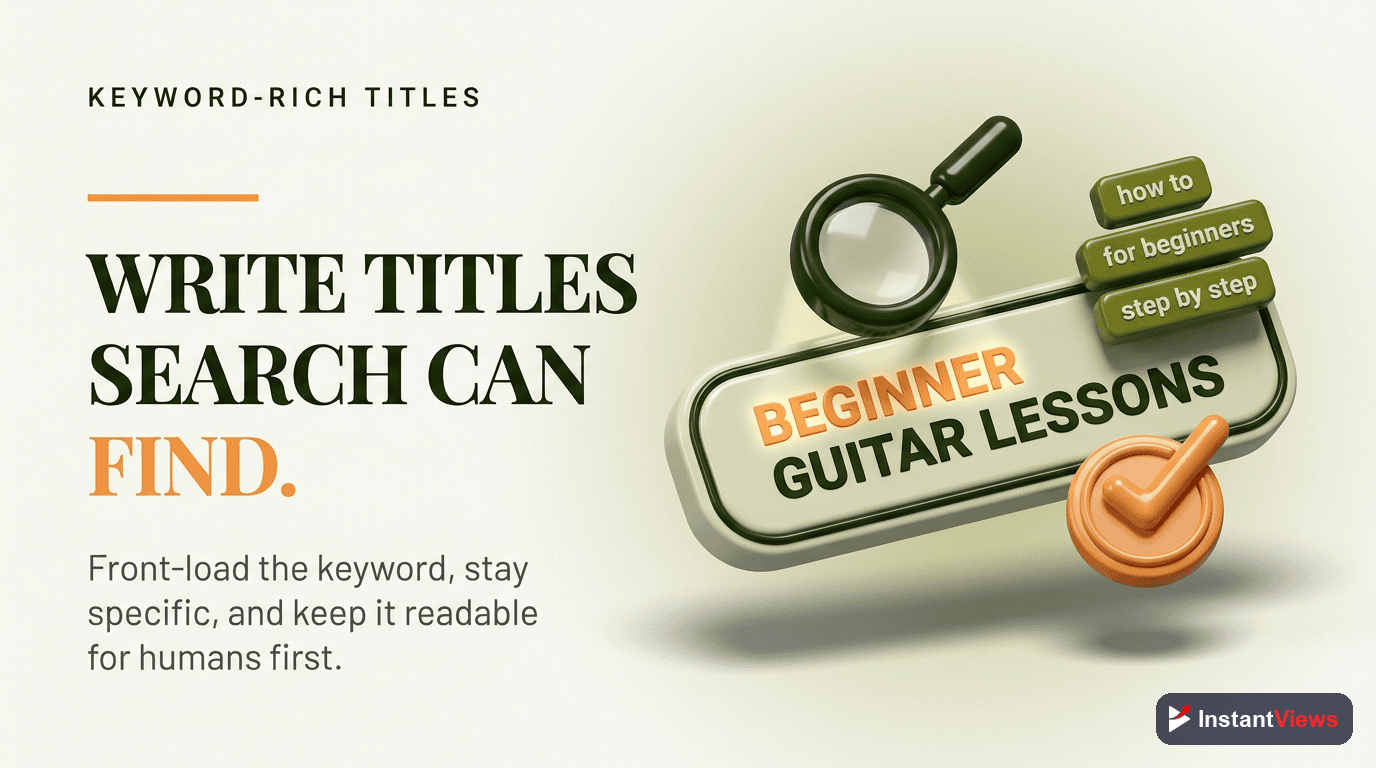
Front-Load Primary Keywords
Place your target keyword at the beginning of the playlist title. YouTube gives more weight to the first 3-5 words for search ranking.
"YouTube SEO Tutorial - Complete Guide for Beginners (2026)"
"Learn Everything About SEO on YouTube - Full Course"
Playlist Title Formula
Use this proven formula for maximum SEO impact:
[Primary Keyword] + [Qualifier] + [Year/Specificity]
- Primary Keyword: The exact phrase people search for
- Qualifier: "Complete Guide," "Tutorial Series," "Masterclass"
- Year/Specificity: "(2026)" or "For Beginners" to capture specific searches
Writing SEO-Optimized Descriptions
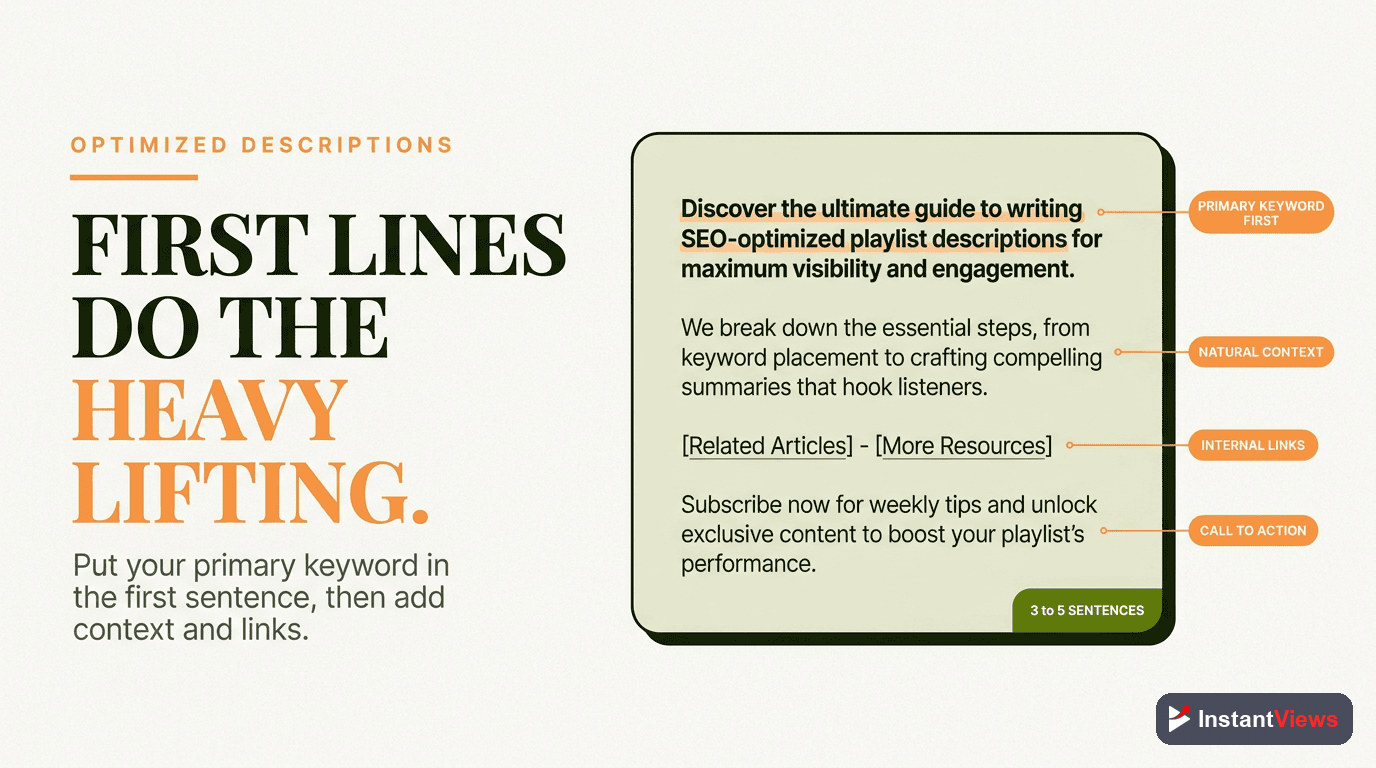
Most creators ignore playlist descriptions. This is a massive missed opportunity - YouTube indexes the first 100-150 characters for search.
Front-Load Value in First 100 Characters
The first sentence determines both search ranking and whether viewers expand to read more. Include your primary keyword and a clear value proposition.
"Learn YouTube SEO from scratch in this complete 2026 tutorial series. Master keyword research, video optimization, and ranking strategies through 12 step-by-step lessons covering everything from title creation to advanced analytics."
Description Structure
- Hook (0-100 chars): Primary keyword + value promise
- Overview (100-300 chars): What the playlist covers and who it's for
- Video breakdown (300-500 chars): List key topics with timestamps if relevant
- CTA (500+ chars): Link to related playlists or subscribe prompt
Strategic Video Sequencing
The order of videos in a playlist dramatically affects watch time. Poor sequencing can cause 50%+ drop-off between videos.
The Hook-Build-Deliver Method
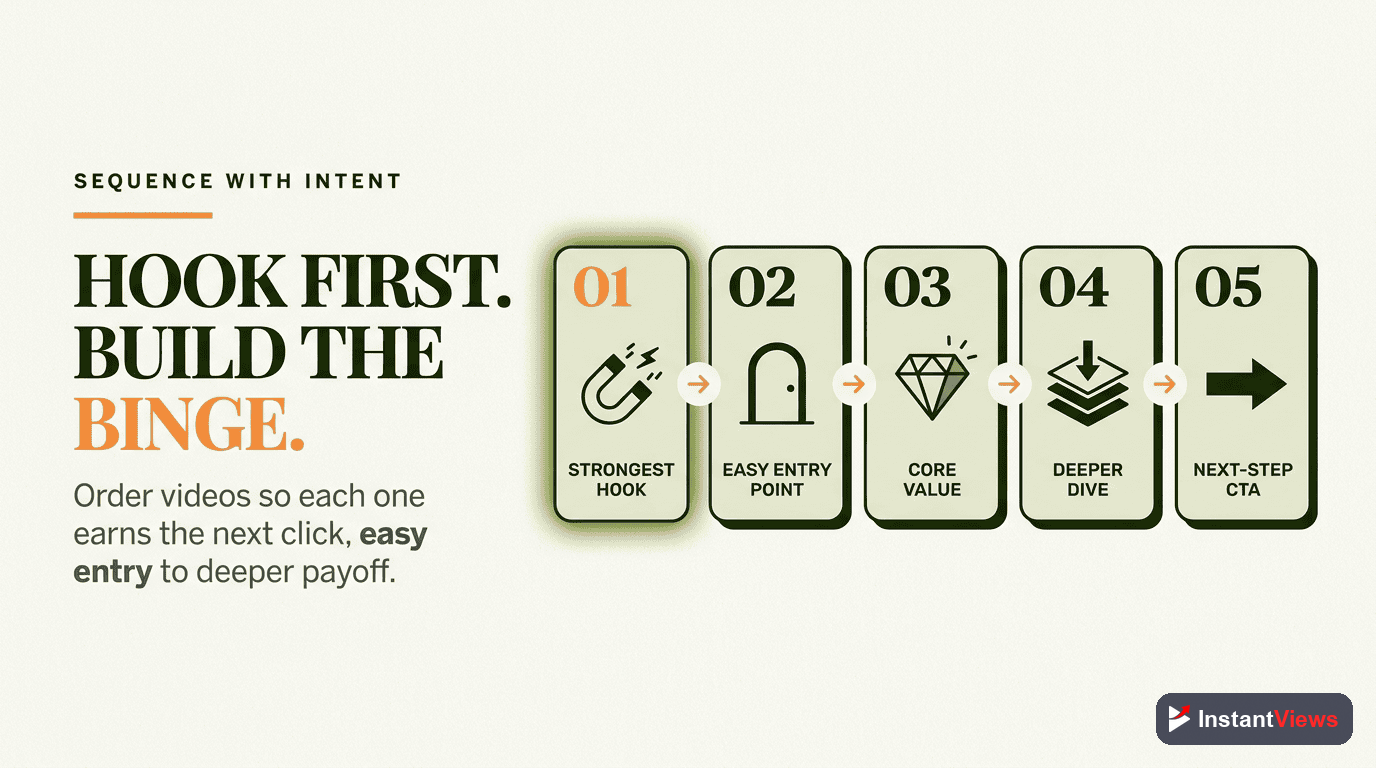
Structure playlists like a story: start with your most engaging video, build interest with foundational content, deliver advanced value in the middle, and end with a CTA or next-steps video.
Video Ordering Principles
- First video is critical: Use your highest-performing video (best retention + engagement) as the playlist opener
- Logical progression: Each video should naturally lead to the next (beginner → intermediate → advanced)
- Length variety: Alternate between shorter (5-8 min) and longer (15-20 min) videos to maintain energy
- Remove friction: If a video causes consistent drop-off, either improve it or remove it from the playlist
Session Time Optimization
Optimizing for session time requires understanding where and why viewers stop watching playlists.
Analyze Drop-Off Points
Use YouTube Analytics to identify which videos cause viewers to leave the playlist. The "Playlists" report shows exactly where people drop off.
YouTube Studio → Analytics → Engagement → Playlists → Select your playlist → View "Playlist starts and views"
Session Optimization Tactics
- End screens in playlist context: Use end screens to link to the next video in the playlist (not external content)
- Verbal CTAs: At the end of each video, mention what's coming next to create anticipation
- Progressive value: Each video should deliver value while promising more in the next
- Remove outliers: Videos with significantly lower retention should be reordered or removed
Types of High-Performance Playlists
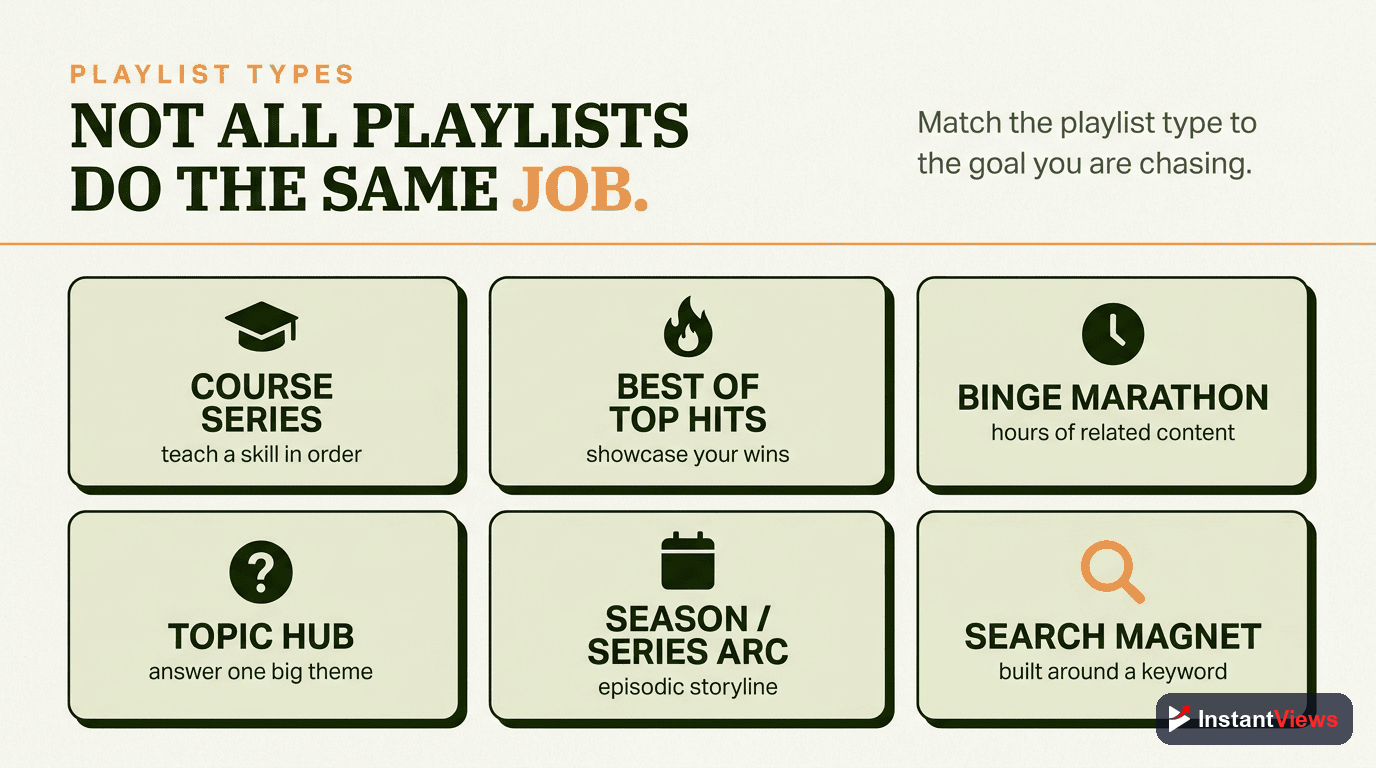
Different playlist structures serve different strategic purposes. Use a mix of these types:
| Playlist Type | Purpose | Ideal Length | Best For |
|---|---|---|---|
| Series Playlists | Sequential learning path | 6-15 videos | Tutorials, courses |
| Topic Clusters | Related content on one theme | 8-20 videos | Broad topics with subtopics |
| Best Of | Showcase top content | 5-10 videos | New viewer orientation |
| Seasonal/Timely | Trend-based content | 4-8 videos | Events, holidays, trends |
| Beginner's Guide | Onboarding new audiences | 5-12 videos | Educational channels |
| Deep Dive | Comprehensive topic coverage | 10-25 videos | Advanced audiences |
Technical Settings That Matter
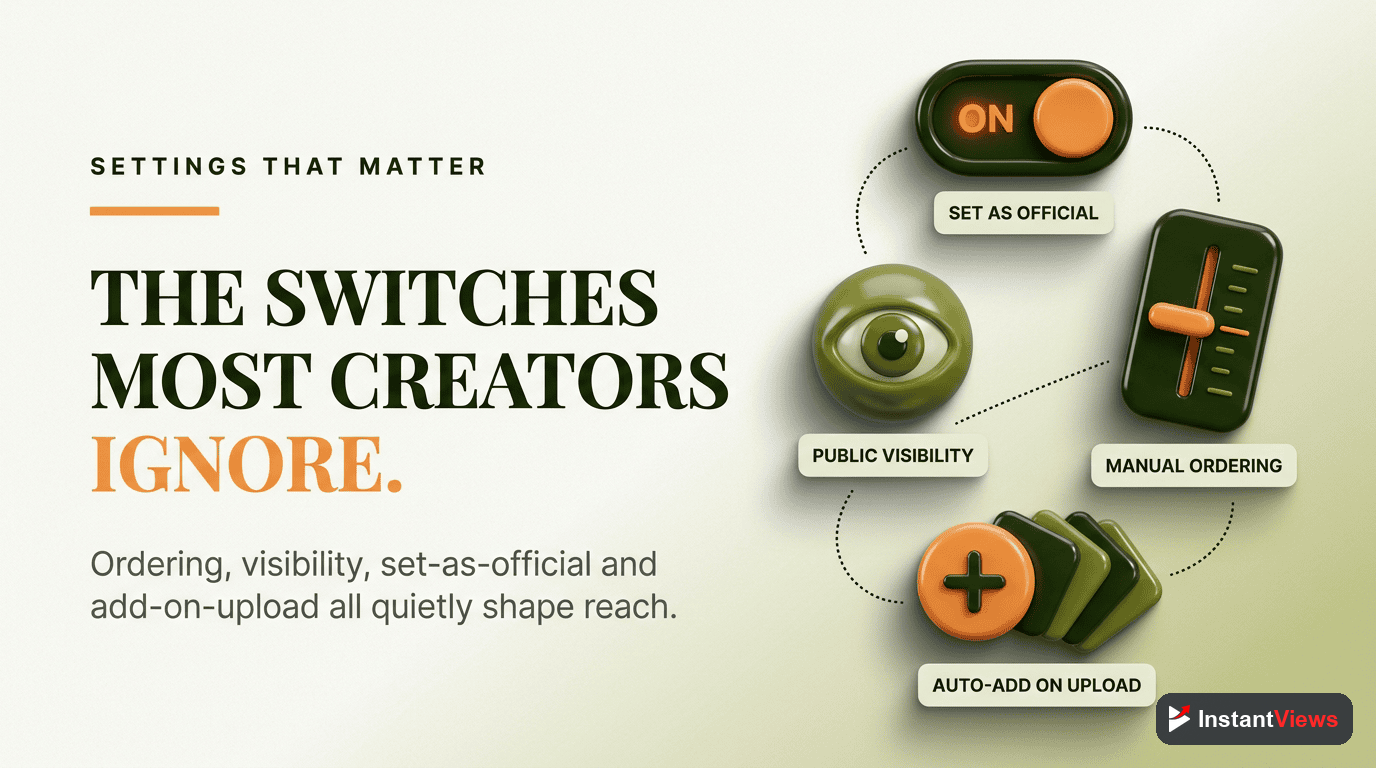
Small technical optimizations can significantly impact playlist performance:
1. Autoplay Settings
Always enable autoplay. This ensures videos play continuously without requiring viewer action. Autoplay can increase views-per-session by 60-80%.
2. Playlist Thumbnail
Set your highest-CTR video as the playlist thumbnail. This determines what viewers see in search results and recommendations.
3. Playlist Visibility
Make playlists public immediately. Unlisted playlists won't rank in search or get recommended by the algorithm.
4. Collaborative Playlists
Enable collaboration only for community-driven playlists. For SEO playlists, maintain full control over content and order.
Don't create too many playlists with overlapping content. This dilutes your SEO authority. One well-optimized playlist on a topic outperforms three mediocre ones.
Measuring Playlist Performance
Track these key metrics to optimize playlist SEO:
Primary Metrics
- Views per playlist start: How many videos viewers watch per playlist session (target: 3.0+)
- Average time in playlist: Total watch time per playlist start (target: 20+ minutes)
- Playlist retention rate: Percentage of viewers who complete the playlist (varies by length)
- Traffic source: Where playlist views come from (search, browse, suggested videos)
How to Access Playlist Analytics
- Go to YouTube Studio → Analytics → Engagement
- Scroll to "Playlists" section
- Select individual playlist for detailed metrics
- Review "Playlist starts vs. views" to see drop-off patterns
Optimize Your Video Content
Use our Video Analyzer to identify which videos perform best in playlist sequences and get optimization recommendations.
Analyze Your Videos →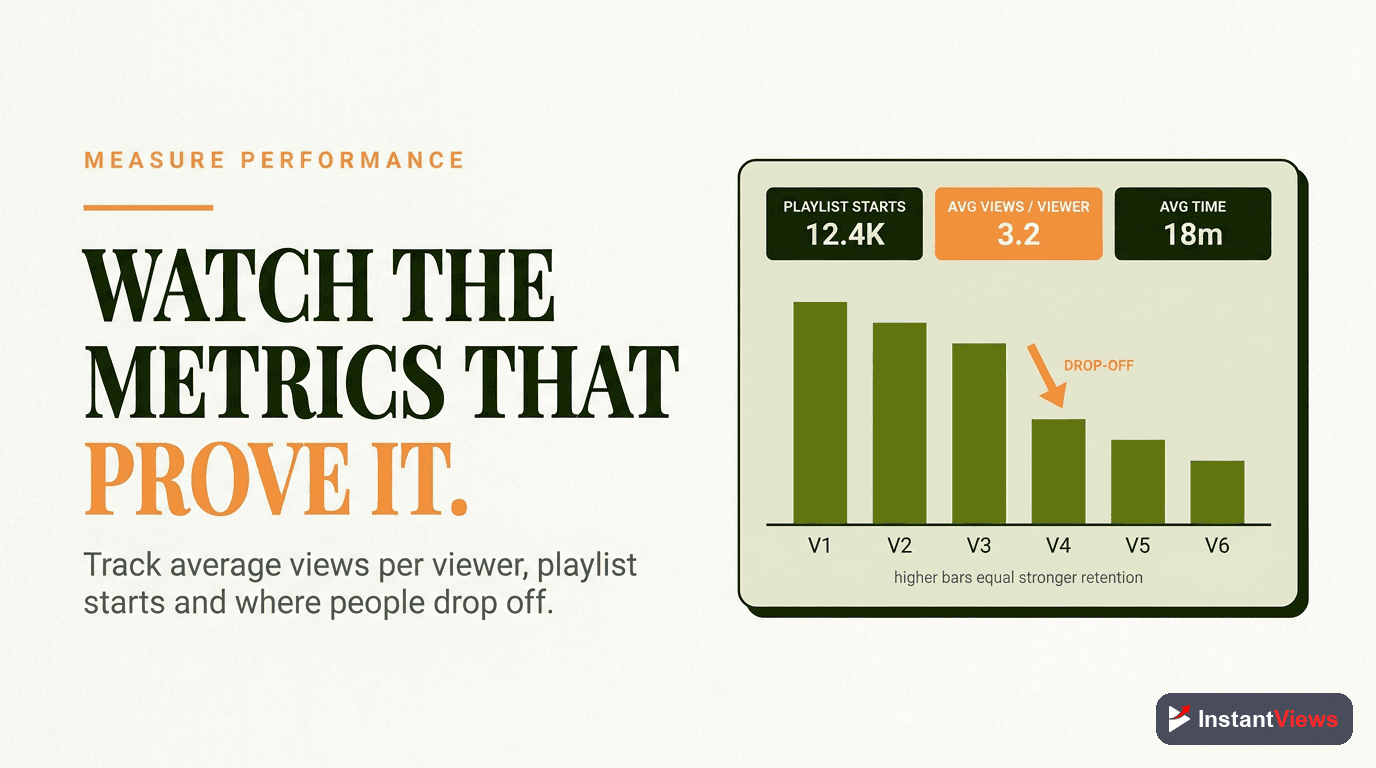
Common Playlist Mistakes to Avoid
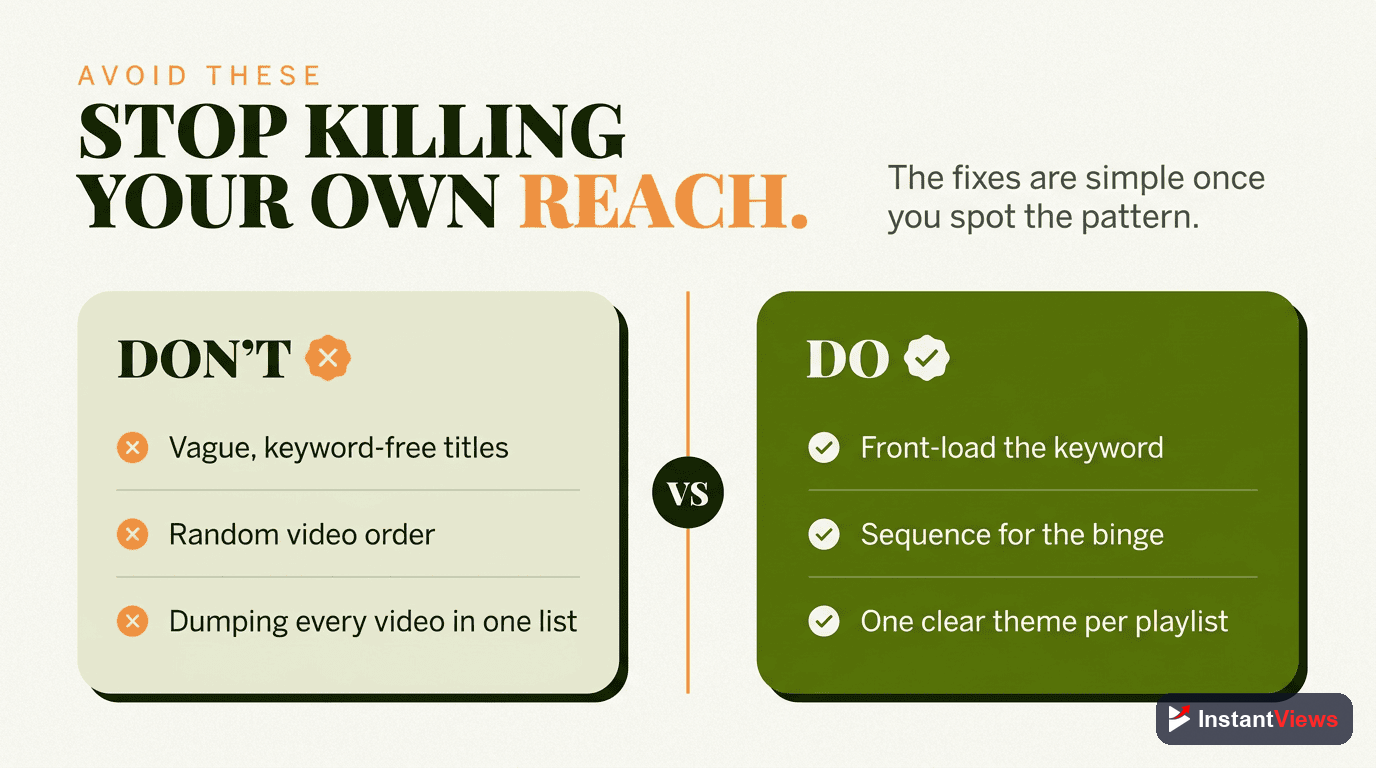
1. Generic Playlist Titles
❌ "My Best Videos" → ✅ "YouTube Growth Strategies - Complete Guide (2026)"
2. No Descriptions
Empty descriptions waste valuable SEO opportunities. Always write at least 200 characters.
3. Random Video Order
Chronological order (newest first) rarely makes sense. Order by viewer journey, not upload date.
4. Too Many Videos
Playlists with 50+ videos have poor completion rates. Create multiple focused playlists instead.
5. Mixing Video Types
Don't mix short-form and long-form content in one playlist. Maintain consistent format and pacing.
6. Neglecting Updates
Remove outdated content and add new relevant videos regularly. Stale playlists lose ranking power.
"Playlists are the most underrated YouTube SEO tool. They helped us 3x our average watch time and double our subscriber conversion rate." - Ali Abdaal, 5M+ subscribers
Playlist SEO Action Plan
Implement this step-by-step plan to optimize your playlists:
- Audit existing playlists: Review titles, descriptions, and video order for all current playlists
- Keyword research: Use YouTube autocomplete and Google Trends to find playlist keyword opportunities
- Restructure top playlists: Reorder videos based on retention data and logical progression
- Write optimized descriptions: Update all descriptions with keyword-rich, value-focused copy
- Set technical settings: Enable autoplay, set thumbnails, ensure public visibility
- Create new strategic playlists: Build 2-3 new playlists targeting high-volume keywords
- Monitor performance: Check analytics weekly for first month, then monthly
- Iterate and improve: Remove underperforming videos, test new sequences
Frequently Asked Questions
Playlists boost SEO by increasing session time, which is a major ranking factor. When viewers watch multiple videos in a playlist, YouTube sees extended engagement and promotes your content more. Well-optimized playlists can rank in search results independently, creating additional discovery opportunities.
The optimal playlist size is 5-15 videos. This provides enough content for meaningful session time without overwhelming viewers. However, evergreen tutorial series can be longer (20-30 videos) if each video builds on the previous one. Quality and relevance matter more than quantity.
Partially, but not exactly. Your playlist title should include your main keyword, but be broader than individual video titles. For example, if videos target "YouTube thumbnails tutorial" and "Canva thumbnails," the playlist could be "Complete YouTube Thumbnail Design Guide."
Update playlists whenever you publish new relevant content or when analytics show drop-off points. Review playlist performance monthly. Remove underperforming videos, reorder based on retention data, and add new content that fills gaps in your series.
Absolutely. Playlists multiply the impact of each video by turning single views into watch sessions. For small channels, this increased watch time signals quality to the algorithm, leading to more recommendations. Organized playlists also improve viewer experience, increasing subscriber conversion.
Playlist views count the same as regular views, but the context matters more. YouTube values views that come from playlists because they indicate intentional engagement and longer sessions. Analytics will show playlist traffic separately, helping you optimize playlist structure.