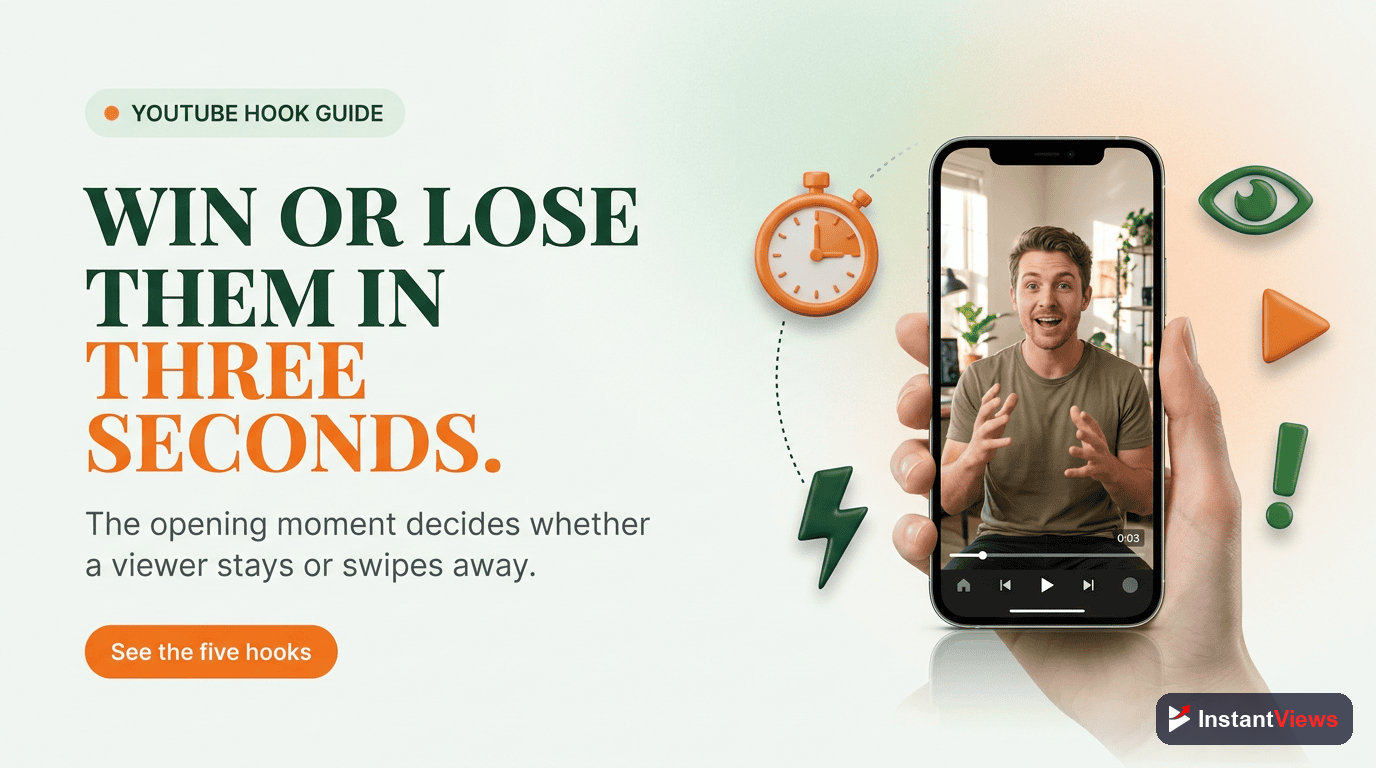
- 15-25% of viewers leave within the first 3 seconds - this window determines your video's fate
- Leading with value, not branding or greetings, is essential for retention
- Top creators use visual hooks, bold statements, or result previews in the opening frame
- The first 3 seconds must create curiosity or show immediate value
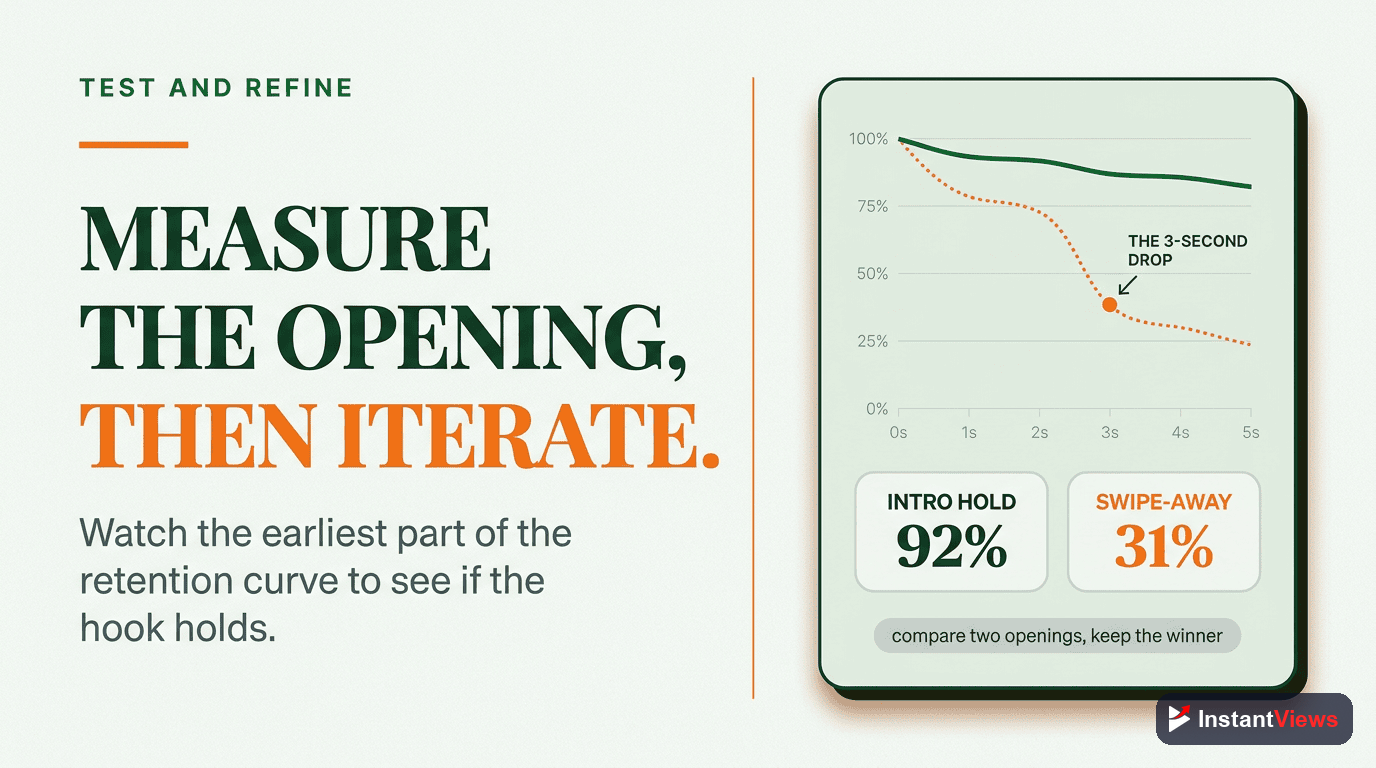
- Testing and optimizing your opening can increase overall retention by 30-50%
You don't have 8 seconds. You don't even have 5. You have 3 seconds - maybe less - to convince someone to watch your video.
In those first three seconds, viewers make a split-second judgment: "Is this worth my time?" The answer determines everything - your retention rate, algorithm performance, and ultimately, your channel's growth.
This isn't theory. YouTube's data shows that 15-25% of viewers leave within 3 seconds. MrBeast, Alex Hormozi, and other top creators obsess over these opening moments more than any other part of their videos.
Here's exactly what to do in those critical first 3 seconds.
Why 3 Seconds Matters More Than Ever
YouTube viewers are in a different mindset than they were five years ago. They're trained by TikTok and Instagram Reels to make instant decisions. Swipe culture has reduced attention spans to near-zero.
The data backs this up:
- 15-25% of viewers leave within the first 3 seconds
- Another 10-15% leave between seconds 3-10
- Videos that retain 80% at the 3-second mark get 3x more impressions
- YouTube's algorithm measures retention from second one
Your thumbnail gets the click. Your first 3 seconds determines whether they stay.
The most common mistake? Starting with "Hey guys, welcome back..." or showing a logo/intro. These waste precious seconds and give viewers zero reason to stay. Every frame must earn their attention.
What to Avoid in the First 3 Seconds
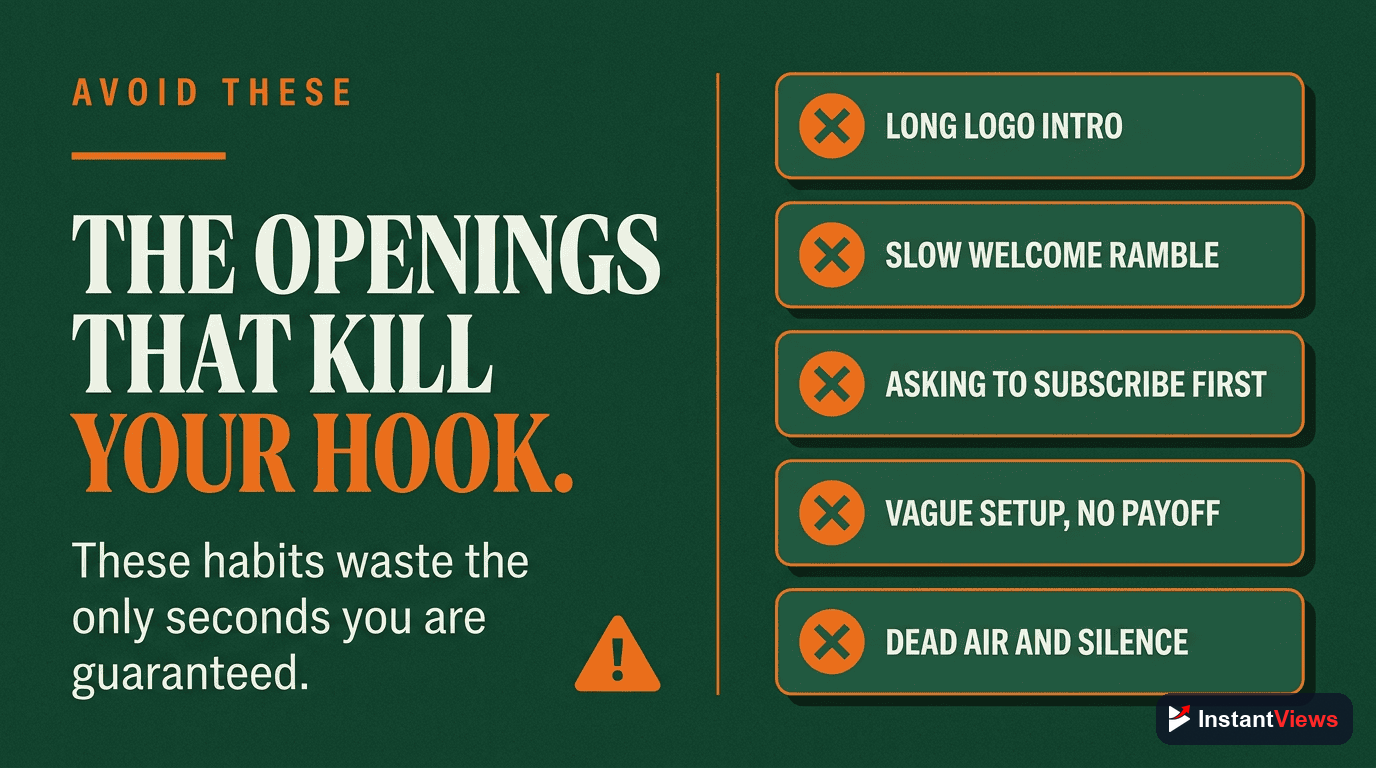
Before we get to what works, here's what kills retention in the opening:
- Channel intros or logos - Nobody cares about your brand in the first 3 seconds
- Greetings - "Hey guys, welcome back" is dead airtime
- Setup or context - Get to the point immediately
- Slow pacing - Every second must have purpose
- Generic statements - "In today's video" tells viewers nothing
Top creators understand: the first 3 seconds exist for one purpose only - to stop the scroll and create curiosity.
Strategy #1: Visual Impact First
⚡ Visual Impact First
Start with a striking visual that stops viewers mid-scroll. This could be an unexpected action, a shocking result, or a visually compelling scene. The goal: make them think "what is this?" before they consciously decide to keep watching.
Opens with a wide shot of 100 people in a massive arena, immediately showing scale and investment. No words needed for the first 2 seconds - the visual does the work.
Why it works: Human brains process visuals 60,000x faster than text. A powerful visual triggers curiosity before rational thought kicks in.
How to implement:
- Show your most impressive visual first (the end result, the setup, the transformation)
- Use movement and action rather than static shots
- Create visual contrast - something that stands out from typical YouTube content
- Don't waste time with establishing shots or context
Strategy #2: Lead with the Result
🎯 Lead with the Result
Show the outcome in the first frame. Whether it's a number, a transformation, or an achievement, proving you have results builds instant credibility and creates a knowledge gap viewers want to fill.
"I made $100M by age 30. Here's the skill that matters most." The result is in the first sentence - now viewers want to know how.
Why it works: Results create two psychological triggers: social proof ("this person achieved something") and curiosity ("how did they do it?").
How to implement:
- Put your best metric, transformation, or outcome in the first 3 seconds
- Use visuals to prove the result (screenshots, before/after, data)
- Be specific - "200K followers" is better than "lots of followers"
- Create the knowledge gap immediately - show what, promise to reveal how
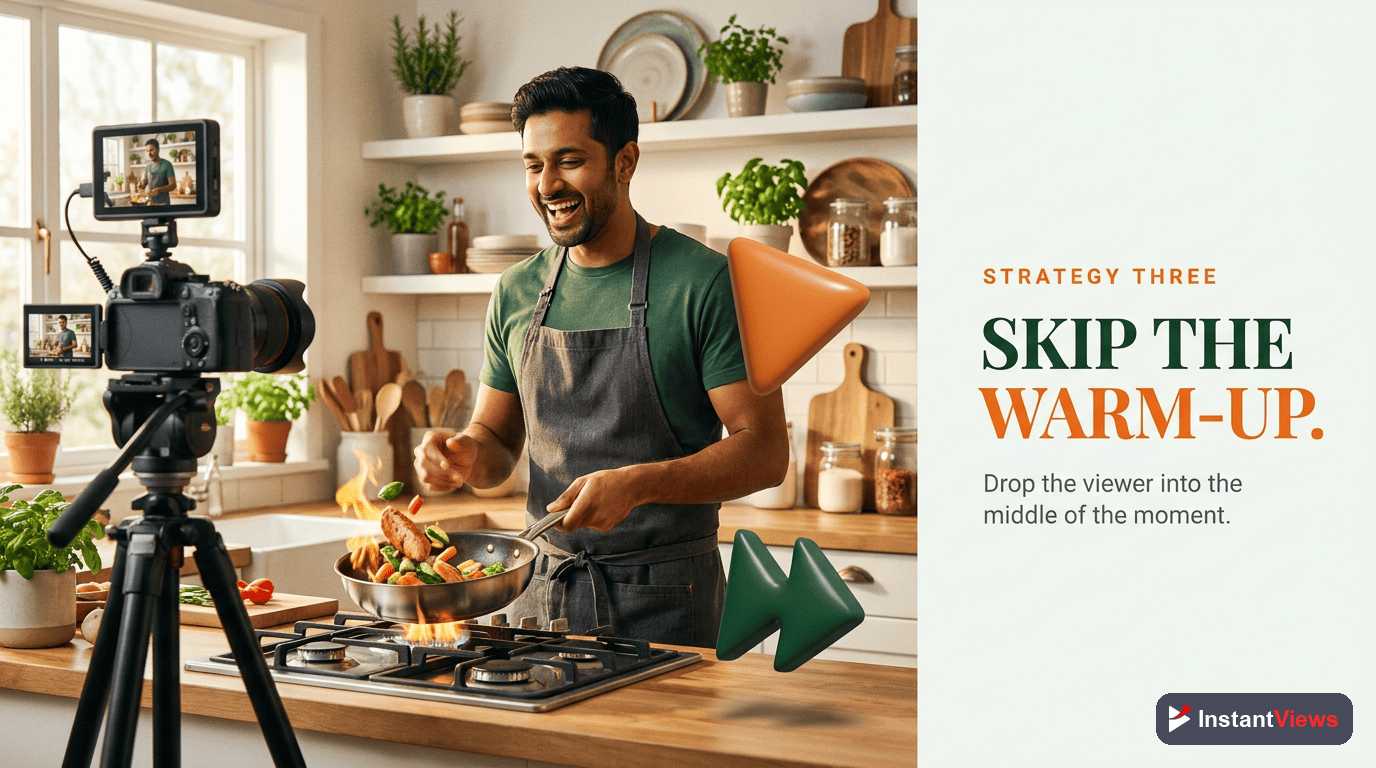
Strategy #3: Start Mid-Action
🎬 Start Mid-Action
Drop viewers into the middle of something already happening. No setup, no context - just immediate action or tension. This leverages the brain's need to understand what's happening.
Opens mid-skateboard ride through NYC traffic with dramatic music. No explanation - you're immediately IN the moment with him.
Why it works: Starting mid-action creates immediate questions: "What's happening? Why? What happens next?" Viewers stay to find answers.
How to implement:
- Find the most intense moment of your video and start there
- Cut setup and context - drop viewers in the deep end
- Use dynamic camera movement and energy
- You can rewind and explain context after hooking them
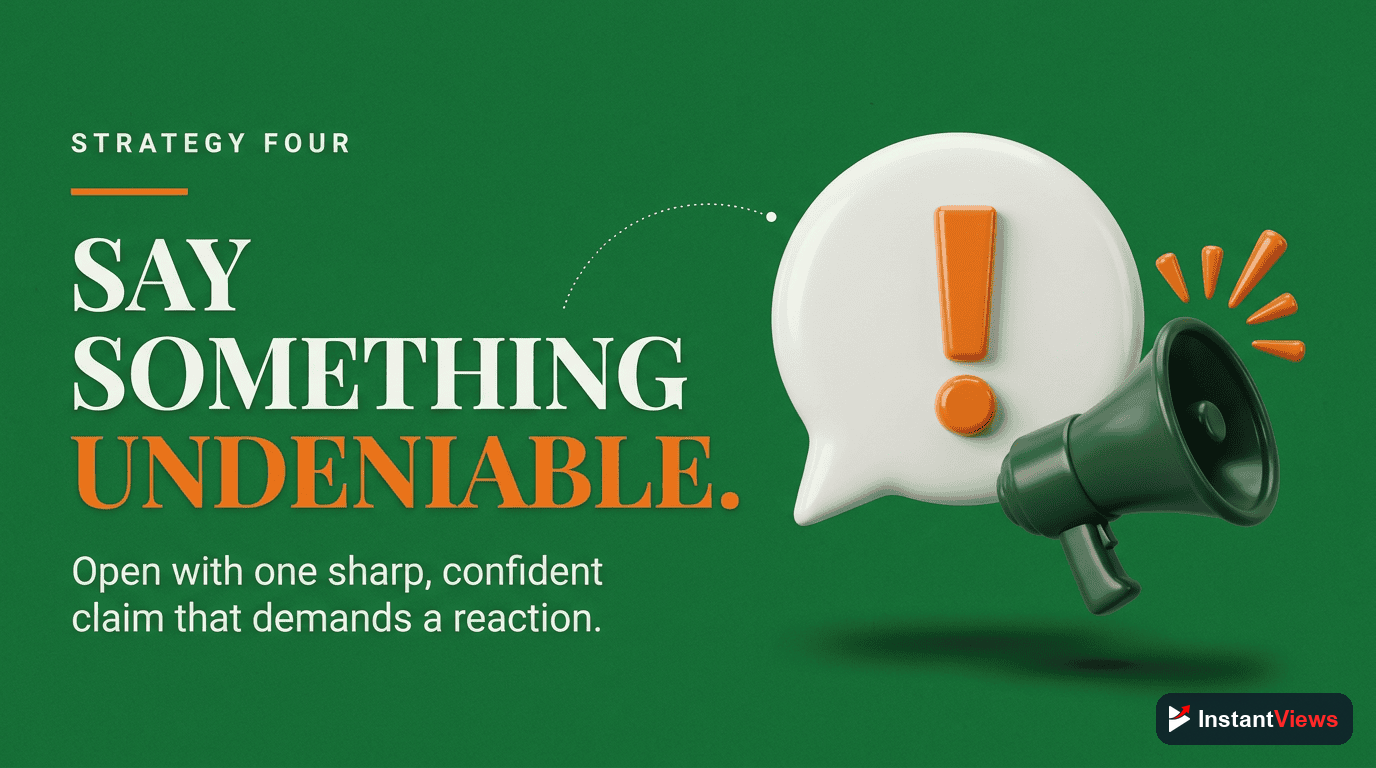
Strategy #4: Bold Statement Hook
💬 Bold Statement Hook
Open with a contrarian take, surprising fact, or statement that challenges common beliefs. The more specific and unexpected, the better.
"I spent 10 years studying productivity and it's all wrong. Here's what actually works." Challenges assumptions in the first sentence.
Why it works: Bold statements trigger cognitive dissonance. Viewers stay to either have their beliefs confirmed or to argue with you mentally.
How to implement:
- Identify a common belief in your niche and challenge it
- Use specific data or examples to back up your claim immediately
- Make it relevant to your target audience's pain points
- Deliver with confidence - uncertainty kills bold statements
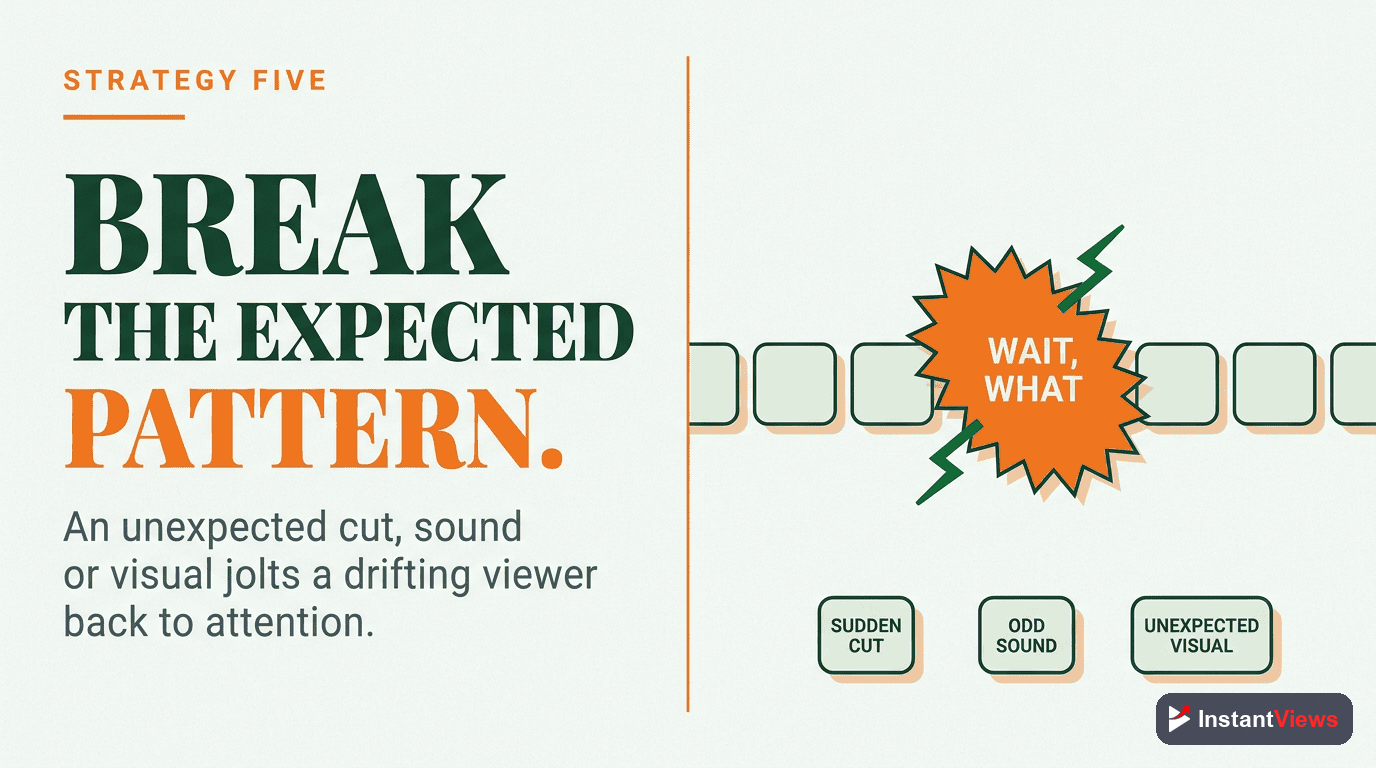
Strategy #5: Pattern Interrupt
🔀 Pattern Interrupt
Do something unexpected that breaks the pattern of typical YouTube videos. This could be visual, auditory, or behavioral - anything that snaps viewers out of autopilot.
Opens with complete silence and a close-up of a penny. No music, no talking for 2 seconds. The unexpected quiet makes you pay attention.
Why it works: Our brains are pattern-recognition machines. When a pattern breaks, we pay full attention to assess whether it's a threat or opportunity.
How to implement:
- Study what's typical in your niche and do the opposite
- Use unexpected silence, volume changes, or visual styles
- The interrupt must connect to your content - random doesn't work
- Test different interrupts and measure retention
Real Examples from Top Creators
Here's how successful YouTubers use the first 3 seconds:
| Creator | First 3 Seconds Strategy | Why It Works |
|---|---|---|
| MrBeast | Wide shot showing massive scale/setup | Immediate visual proof of investment |
| Alex Hormozi | States result/claim in first sentence | Creates credibility and knowledge gap |
| Ali Abdaal | Contrarian statement about topic | Challenges assumptions, creates curiosity |
| Casey Neistat | Drops into mid-action scene | Immediate energy and visual interest |
| Marques Brownlee | Product reveal or surprising feature | Visual impact + immediate value |
| Ryan Trahan | Pattern interrupt (silence, unusual shot) | Breaks expectations, demands attention |
Notice the common thread: none of them waste time with setup. They all create immediate value, curiosity, or visual impact.
Analyze Your First 3 Seconds
Get instant feedback on your video opening with our AI-powered Video Analyzer. See exactly where viewers drop off and get specific suggestions to improve.
Analyze Your Video →
Testing Your First 3 Seconds
Here's how to know if your opening is working:
1. Check YouTube Analytics
Go to YouTube Studio → Analytics → Engagement → Audience retention. Look at the retention graph in the first 30 seconds:
- 80%+ retention at 3 seconds: Excellent - your opening works
- 70-80% retention: Good - room for improvement
- Below 70%: Your opening needs work
2. Use the InstantViews Video Analyzer
Before publishing, run your video through our analyzer to get:
- Frame-by-frame retention predictions
- Specific suggestions for improving your opening
- Comparison to top-performing videos in your niche
- Hook effectiveness score
3. A/B Test Different Openings
Create multiple versions of your opening and test with a small audience before full publication. Change one variable at a time:
- Visual first vs. statement first
- Different bold statements
- Various result previews
- Different pattern interrupts
The First 3 Seconds Formula
If you remember nothing else, remember this formula:
First Frame = Immediate Value OR Immediate Curiosity. Everything else comes after.
Your first 3 seconds should answer one of these questions for viewers:
- "What will I gain?" (Value-first approach)
- "What is happening?" (Curiosity-first approach)
- "Why should I care?" (Relevance-first approach)
If your opening doesn't clearly answer at least one of these, you're leaving retention on the table.
Frequently Asked Questions
The first 3 seconds are when viewers make their split-second decision to stay or swipe. YouTube data shows that 15-25% of viewers leave within the first 3 seconds. This critical window determines whether your video gets a chance or gets skipped, directly impacting your retention metrics and algorithm performance.
Show immediate value or intrigue - a shocking visual, a bold statement, the end result, or a compelling question. Avoid logos, intros, greetings, or setup. The first frame should make viewers think "I need to see this." Top creators often start mid-action or with their most powerful moment.
Yes. YouTube Shorts need instant visual hooks since viewers are in rapid-scroll mode. Long-form videos can use the first 3 seconds to tease, then expand in the next 10-15 seconds. However, both formats require grabbing attention immediately - you just have different amounts of time to deliver the payoff.
Check YouTube Analytics for your retention graph in the first 30 seconds. If retention drops sharply in the first 3-5 seconds, your opening needs work. The InstantViews Video Analyzer can also score your opening before you publish, giving you specific suggestions for improvement.
While you can have a consistent style, you should not use the exact same opening. Each video needs a hook specific to its content. However, successful creators do develop signature opening formulas (like MrBeast's result previews) and adapt them to each video's topic.
Yes and no. Brand channels still need to hook viewers immediately, but they can balance brand consistency with engagement. The key is to lead with value, not branding. Show the benefit first, establish credibility through content quality, and let brand recognition build over time through consistency.