- Understanding viewer behavior patterns helps you structure content that aligns with natural viewing habits
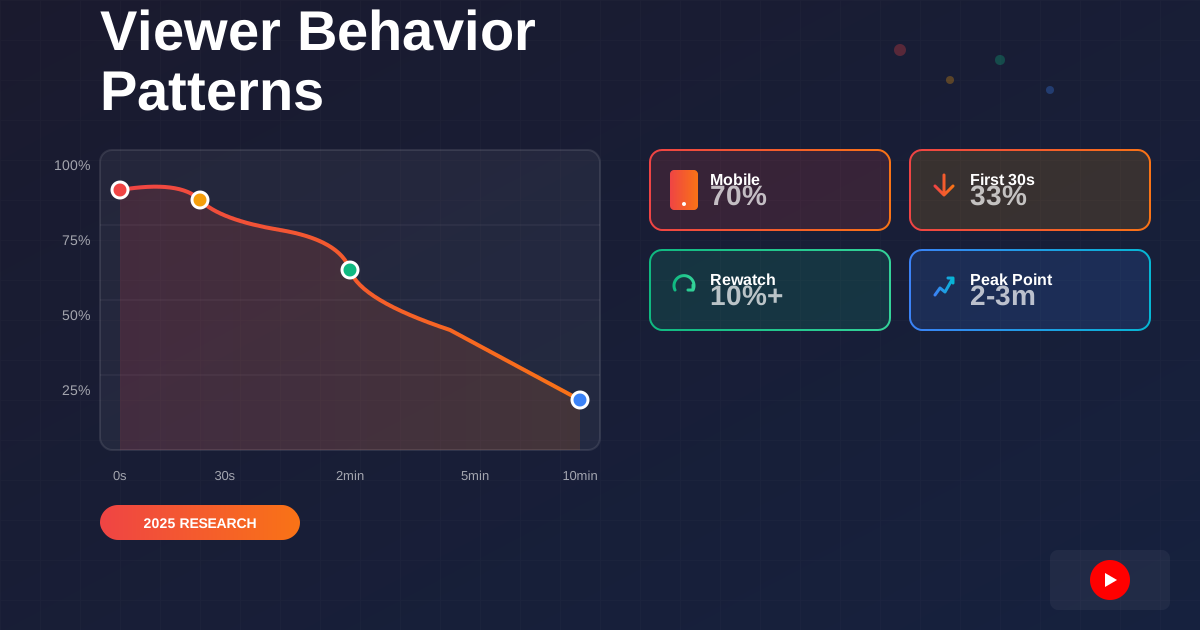
- Mobile viewers (70% of traffic) behave fundamentally different from desktop viewers - optimize accordingly
- Different content types have distinct behavioral patterns: tutorials, entertainment, vlogs, and reviews all require unique approaches
- The first 30 seconds and 2-3 minute marks are critical engagement checkpoints for most content
- Use the InstantViews Video Analyzer to predict viewer behavior before publishing
Every viewer who clicks your video follows predictable patterns. They don't just watch - they scan, skip, rewatch, and leave based on psychological triggers you can measure and optimize for.
Understanding these patterns is the difference between videos that get recommended and videos that get buried. YouTube's algorithm doesn't just measure if people watch - it measures how they watch.
This guide breaks down the research-backed behavior patterns across different content types, traffic sources, and viewer demographics, with actionable strategies to optimize your videos.
- Why Viewer Behavior Matters
- Pattern #1: The First 30 Second Drop
- Pattern #2: The 2-Minute Decision Point
- Pattern #3: Mobile vs Desktop Behavior
- Pattern #4: Search vs Suggested Traffic
- Pattern #5: Rewatch Behavior
- Pattern #6: Skip Patterns by Content Type
- Watch Patterns by Content Type
- Optimizing for Viewer Behavior
- FAQ
Why Viewer Behavior Matters
YouTube's algorithm doesn't just track if people watch your videos. It tracks how they watch - and rewards videos that keep viewers engaged in specific ways.
Here's what the data reveals:
- 70% of YouTube views come from mobile devices, where behavior differs dramatically
- The average viewer makes a "stay or leave" decision within 10 seconds
- Videos with high rewatch rates get 35% more impressions from the algorithm
- Viewers from suggested videos have 25% better retention than search traffic
Pattern #1: The First 30 Second Drop
The First 30 Second Drop
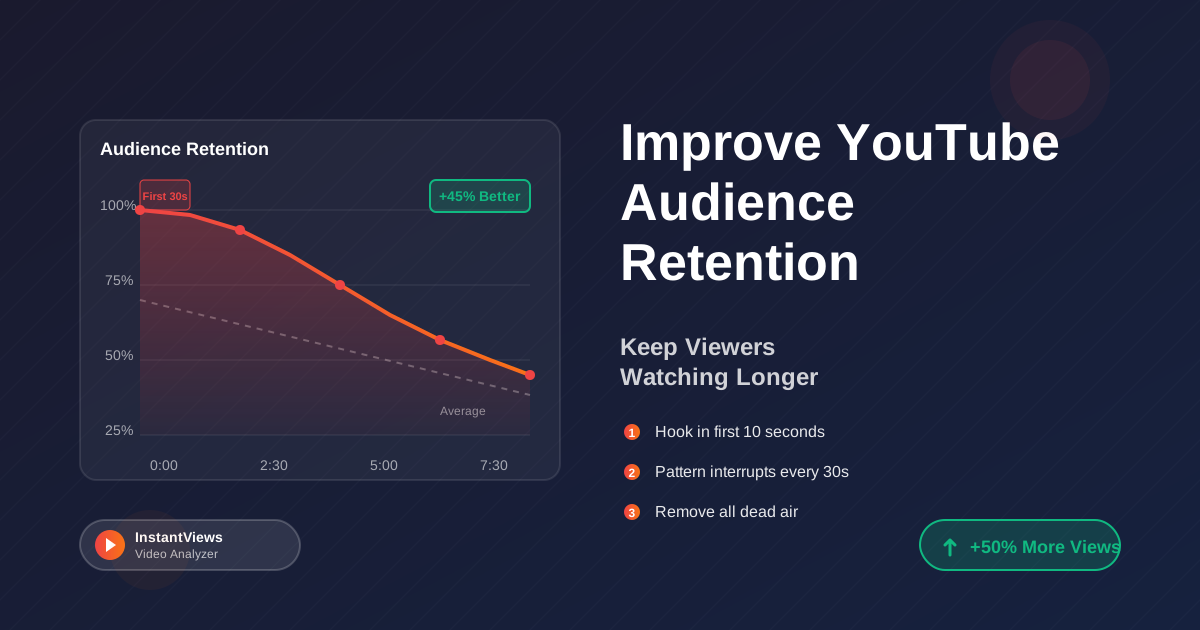
The steepest decline in any video happens in the first 30 seconds. On average, 33% of viewers leave before the 30-second mark, with 20% dropping off in the first 10 seconds.
Your hook isn't optional - it's critical. Videos that retain 70%+ at 30 seconds perform 3x better in recommendations than those retaining only 50%.
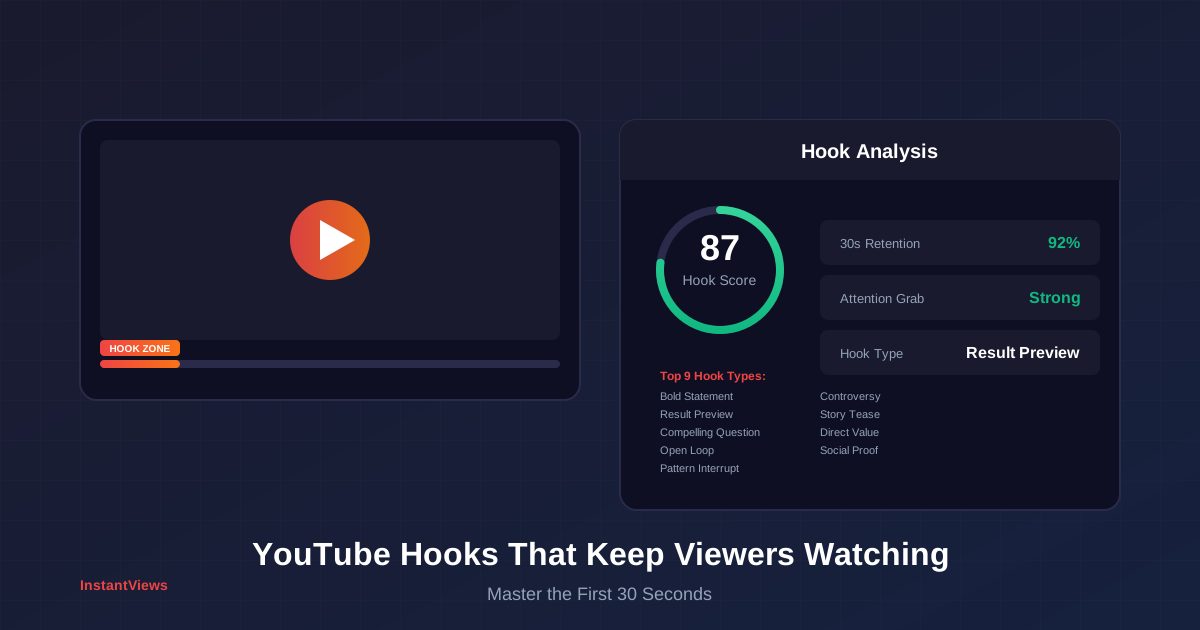
How to optimize: Start with immediate value or intrigue. No long intros, no "welcome back" greetings. Test your first 30 seconds with the InstantViews Hook Analyzer before publishing.
Pattern #2: The 2-Minute Decision Point
The 2-Minute Decision Point
For videos over 5 minutes, there's a second major decision point at the 2-3 minute mark. Viewers subconsciously evaluate: "Is this worth continuing?" This is where you either earn their commitment or lose them.
Structure your videos with a payoff or value delivery around the 2-minute mark. This "early win" convinces viewers to keep watching.
How to optimize: Deliver a quick win, reveal, or compelling development by the 2-minute mark. Use pattern interrupts (visual changes, music shifts) to refresh attention.
Pattern #3: Mobile vs Desktop Behavior
Mobile vs Desktop Behavior
Mobile viewers (70% of YouTube traffic) exhibit fundamentally different behavior: 30% more likely to skip, 15% lower average retention, but 2x more likely to watch multiple videos in a session.
Mobile viewers are impatient but loyal. If you hook them, they'll binge your content. But they'll skip ruthlessly if you waste their time.
How to optimize: Use larger text and clearer visuals. Pace faster in the first minute. Test your thumbnails and hooks on mobile devices, not just desktop.
Always preview your videos on mobile before publishing. What works on a 27-inch monitor often fails on a 6-inch phone screen.
Pattern #4: Search vs Suggested Traffic
Search vs Suggested Traffic
Viewers from YouTube search have a specific question and higher intent but lower patience. Suggested traffic viewers are browsing and more open to entertainment but easier to lose.
Search traffic: get to the point immediately. Suggested traffic: use curiosity and entertainment to hook them. The same video needs different hooks for different traffic sources.
How to optimize: Check your traffic sources in Analytics. If search dominates, optimize for direct value delivery. If suggested traffic dominates, focus on hooks and curiosity.
Pattern #5: Rewatch Behavior
Rewatch Behavior
When viewers rewatch sections of your video, YouTube interprets this as high-value content. Videos with 10%+ rewatch rates get algorithmic boosts. Tutorials and music videos see the highest rewatch rates.
Create "rewatch-worthy" moments: golden tips, emotional peaks, or complex steps that viewers need to review. These signal quality to the algorithm.
How to optimize: Pack value into specific timestamps. Use chapters to help viewers find key moments. Encourage rewatching: "You'll want to pause here and write this down."
Pattern #6: Skip Patterns by Content Type
Skip Patterns by Content Type
Different content types show distinct skip patterns. Reviews see skipping to specific features (40% skip rate). Tutorials have steady watch time with occasional skips. Vlogs see gradual decline with sharp drops during slow moments.
Don't fight natural viewing patterns - design for them. For reviews, use chapters. For tutorials, maintain consistent pacing. For vlogs, cut aggressively.
How to optimize: Add YouTube chapters to let viewers skip intentionally (this actually improves total watch time). Study your retention graph to identify skip points and cut or improve those sections.
Predict Viewer Behavior Before Publishing
Use our Video Analyzer to get behavioral insights and retention predictions before your video goes live.
Analyze Your Video →Watch Patterns by Content Type
Different content types generate distinct viewer behavior patterns. Here's how to optimize for each:
| Content Type | Typical Behavior | Optimization Strategy |
|---|---|---|
| Tutorials | Steady watch, occasional pauses/rewinds, 65-70% avg retention | Clear step-by-step structure, pauseable moments, summary at end |
| Entertainment | High early retention, gradual decline, 45-55% avg retention | Strong hook, fast pacing, pattern interrupts every 60-90 seconds |
| Vlogs | Loyal audience with high retention early, sharp drops at slow moments | Aggressive editing, emotional moments, variety in pacing |
| Reviews | 40% skip to specific features, multiple rewatches, chapter usage | Always use chapters, front-load verdict, detailed feature breakdown |
| Educational | Highest avg retention (65-70%), deliberate watching, note-taking pauses | Clear structure, on-screen text, designed pause points |
| Gaming | Long sessions, high rewatch of epic moments, younger skewed audience | Highlight best moments early, fast cuts, energy maintenance |
Optimizing for Viewer Behavior
1. Hook Optimization (0-30 seconds)
Your first 30 seconds determine everything. Based on behavior data:
- Start with the payoff - Show results first, process second
- No wasted words - Every second must justify the viewer's presence
- Visual change every 3-5 seconds - Matches mobile scrolling behavior
- Promise and preview - Tell them what they'll get and why it matters
2. Pacing Strategy (Throughout)
Maintain attention using behavioral triggers:
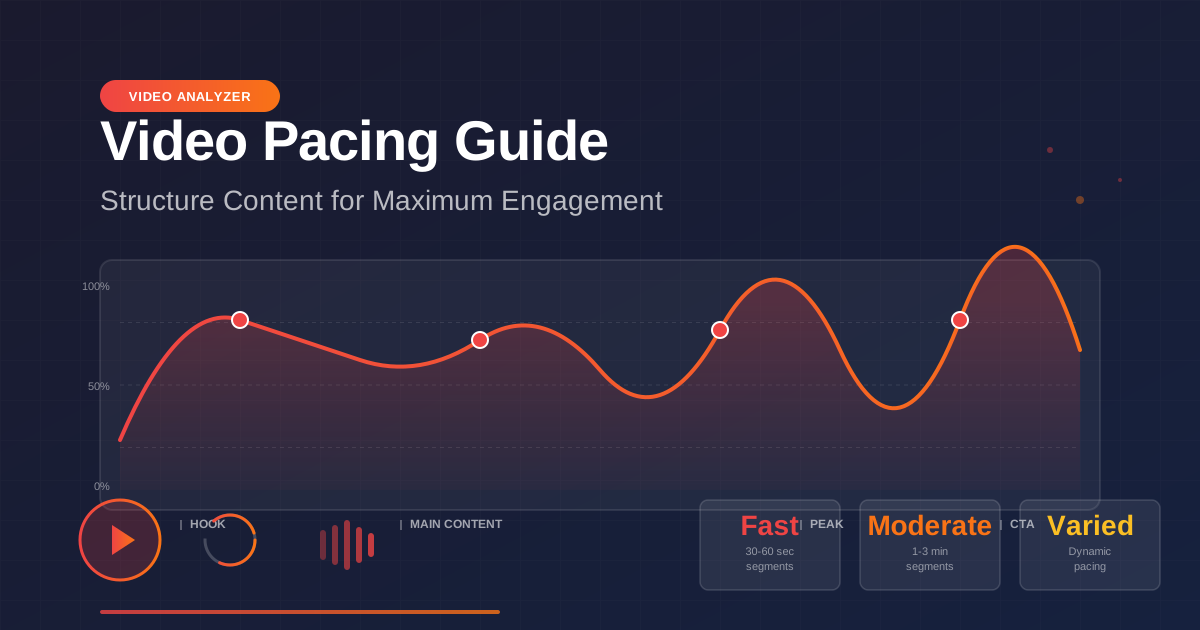
- Pattern interrupts - Change visuals, music, or delivery style every 60-90 seconds
- Open loops - Start a story or question, finish it later
- Progress indicators - "2 of 5 tips done" keeps viewers oriented
- Payoff timing - Deliver value every 2-3 minutes to maintain commitment
3. Mobile Optimization
Since 70% of viewers are on mobile, optimize specifically for them:
- Larger text and graphics - 2x bigger than you think necessary
- Faster first minute - Mobile viewers decide faster
- Vertical-friendly composition - Keep key elements in the center third
- Clear audio - Many watch without headphones in noisy environments
4. Chapter Strategy
YouTube chapters don't hurt retention - they improve it by 15-20%:
- Use descriptive chapter names - "The Hook Strategy" not "Part 1"
- Front-load value - Put the most valuable chapter second (after intro)
- Optimize chapter thumbnails - YouTube pulls frames, so frame your chapters well
- 5-10 chapters maximum - Too many overwhelms, too few underutilizes
5. Analytics-Driven Iteration
Use your actual behavior data to improve:
- Study your retention graph - Look for patterns across multiple videos
- Identify drop-off points - What triggers viewers to leave?
- Find rewatch sections - What content do they value most?
- Compare traffic sources - Do search and suggested viewers behave differently?
- Test and iterate - Apply learnings to your next video
"The best creators don't guess what viewers want - they study what viewers do, then give them more of it." - YouTube Creator Insider
Frequently Asked Questions
The most common patterns include: 20% of viewers leaving within 10 seconds, 33% leaving by 30 seconds, peak engagement at 2-3 minute mark for shorter videos, and viewers rewatching favorite moments. Mobile viewers skip 30% more than desktop viewers, and viewers from suggested videos have 25% higher retention than search traffic.
Tutorials see steady watch time with spikes at key steps. Entertainment peaks early then gradually declines. Educational content has the highest average watch time (65-70%). Vlogs have high early retention but steep drop-offs after 5 minutes. Reviews show multiple peaks as viewers skip to specific product features they care about.
Viewers skip due to: slow introductions (40% skip first 30s on second viewing), irrelevant tangents, repeated information, excessive sponsor segments, and slow pacing. Using YouTube chapters helps viewers navigate to what they want, actually increasing total watch time by 15-20%.
Check your YouTube Analytics audience retention graph. Look for sudden drop-offs (content problems), rewatched sections (highlight these moments), and slow declines (pacing issues). Use the InstantViews Video Analyzer to get predictions before publishing and adjust your content structure based on typical behavior patterns for your niche.
Yes, significantly. Videos under 3 minutes need immediate value delivery. 5-10 minute videos perform best for most niches (sweet spot for retention). Videos over 20 minutes only work if viewers are highly invested. However, watch time (not percentage) matters more to the algorithm - a 50% retention on a 20-minute video beats 80% on a 3-minute video.
Mobile viewers (70% of YouTube traffic) are 30% more likely to skip, watch in shorter sessions, prefer vertical or square formats, and have 15% lower retention overall. However, they watch more frequently throughout the day. Optimize for mobile: larger text, clear visuals, and faster pacing in the first minute.