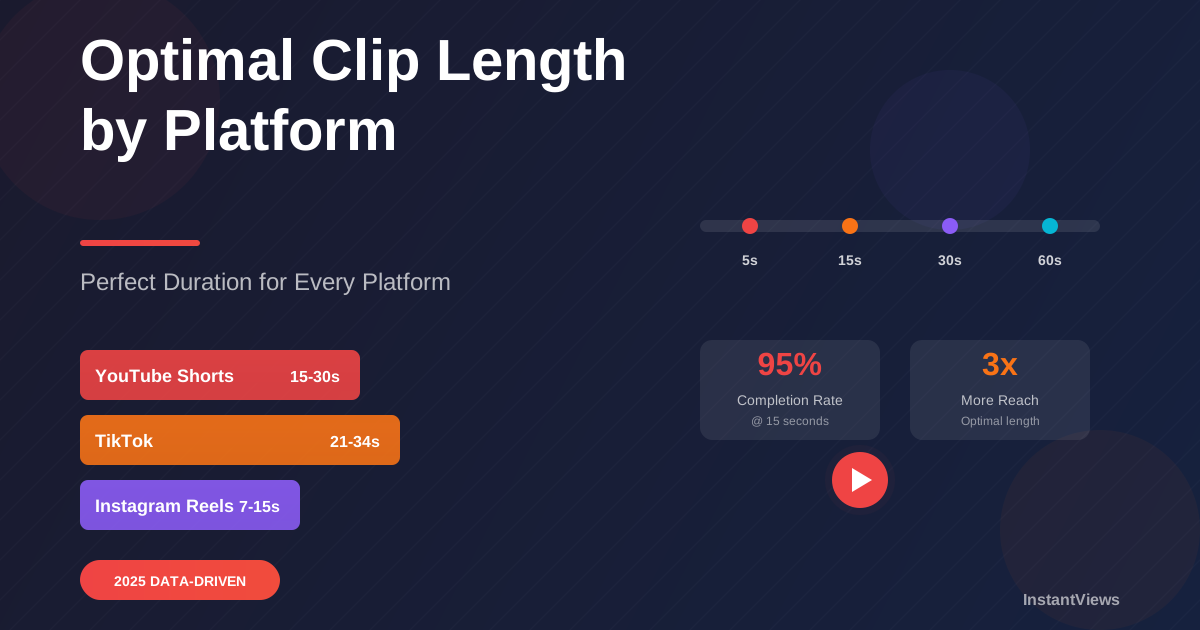
- Each platform has unique optimal video lengths - YouTube Shorts (15-30s), TikTok (21-34s), Instagram Reels (7-15s)
- Completion rate is the #1 metric - algorithms favor shorter videos that keep viewers to the end
- Platform-specific editing is crucial - one size does not fit all social media channels
- The sweet spot balances value delivery with maximum retention
- Use the InstantViews Video Analyzer to optimize length for each platform before posting
Posting the same 60-second video across all platforms is killing your reach. Each social media algorithm has different preferences for video length, and understanding these nuances can double or triple your engagement.
The data is clear: a video that performs perfectly on TikTok might completely flop on Instagram Reels if you don't adjust the length. In 2025, platform-specific optimization isn't optional - it's required for growth.
This guide breaks down the exact optimal length for every major platform, backed by algorithm data and real performance metrics.
Why Video Length Matters More Than Content Quality
Here's an uncomfortable truth: a mediocre 15-second video will often outperform a brilliant 90-second video on short-form platforms. Why? Algorithms prioritize completion rate above all else.
When 95% of viewers watch your entire video, the algorithm interprets this as high-quality content and pushes it to more people. When only 40% finish, even if the content is amazing, the algorithm buries it.
- Completion rate is weighted 3-5x more than likes or comments
- Videos that maintain 90%+ completion get exponentially more reach
- Every second increases the chance viewers will drop off
- Platform-specific lengths align with user expectations and browsing behavior
Never assume "more content = more value." In short-form video, brevity IS value. Cut ruthlessly to fit platform optimalength.
YouTube Shorts: 15-30 Seconds
YouTube Shorts
YouTube Shorts can be up to 60 seconds, but data shows dramatic drop-off after 30 seconds. The algorithm heavily weights watch-through rate, making shorter videos more likely to go viral.
Why this length works: YouTube's algorithm for Shorts is different from long-form content. It prioritizes videos that keep viewers in the Shorts feed, and shorter videos with high completion rates perform best.
Best practices:
- Hook in the first 2 seconds - viewers swipe faster on Shorts than TikTok
- Front-load value - don't save the payoff for the end
- Use text overlays - 70% watch without sound initially
- End with a loop - videos that seamlessly loop get re-watched, boosting metrics
TikTok: 21-34 Seconds
TikTok
TikTok's algorithm is the most completion-rate sensitive. While you can post up to 10-minute videos, short-form content (under 35 seconds) dominates the For You Page.
Why this length works: TikTok's "For You" algorithm tests every video with a small audience first. Videos with high completion rates get pushed to larger audiences. The 21-34 second range allows full storytelling while maintaining completion.
Best practices:
- Structure: Hook (0-3s) → Context (3-10s) → Payoff (10-25s) → CTA (25-34s)
- Use trending sounds - but only if they fit naturally
- Add captions - 60% of TikTok is watched without sound
- Include a pattern interrupt every 8-10 seconds to maintain attention
Instagram Reels: 7-15 Seconds
Instagram Reels
Instagram's algorithm is the most aggressive about completion rate. Reels can be up to 90 seconds, but anything over 15 seconds sees massive drop-off in discovery.
Why this length works: Instagram users have the shortest attention span of any platform. The Reels feed moves faster than TikTok, and users are trained to swipe quickly. Ultra-short content gets rewarded.
Best practices:
- Cut out all setup - start with the most engaging moment
- Use fast cuts - change scenes every 2-3 seconds
- Leverage trending audio - critical for Reels discovery
- Text hooks in first frame - grab attention before video even plays
"On Instagram Reels, if you're not delivering value in the first 3 seconds, you've already lost. The platform rewards instant gratification." - Instagram Creator Study, 2025
Facebook Videos: 15 Seconds (Ads) / 1-2 Minutes (Organic)
Facebook Videos
Facebook has two distinct ecosystems: paid ads perform best at 15 seconds, while organic content can sustain 1-2 minutes if it's engaging.
Why this length works: Facebook's older demographic consumes content differently. They're more willing to watch longer videos if the content is valuable, but paid ads must be punchy to avoid being scrolled past.
Best practices:
- Always use captions - 85% of Facebook videos are watched on mute
- Square (1:1) format performs better than vertical
- Native uploads outperform YouTube links by 10x
- First 3 seconds must work without sound
LinkedIn Videos: 30-90 Seconds
LinkedIn Videos
LinkedIn is the only platform where longer-form content (30-90s) consistently outperforms ultra-short clips. The professional audience expects more substance.
Why this length works: LinkedIn users are in a "learning mindset" when they browse. They're more patient with setup and context, and they value depth over entertainment.
Best practices:
- Lead with credentials or results to establish authority
- Professional production quality matters more here than other platforms
- Include actionable takeaways - LinkedIn audience is ROI-focused
- End with a clear CTA - comment, share, or connect
Twitter/X Videos: 20-45 Seconds
Twitter/X Videos
Twitter's fast-paced feed requires concise videos. The platform auto-plays videos, so the first second must grab attention.
Why this length works: Twitter users are scanning for information quickly. Videos need to deliver one clear point fast, matching the text-based culture of the platform.
Best practices:
- Text overlays are essential - most watch without sound
- Landscape or square format works best
- Controversial or newsworthy content performs better than tutorials
- Thread the video with text tweets for maximum engagement
Optimize Your Video Length
Get platform-specific recommendations for your video's optimal length with our Video Analyzer tool.
Analyze Your Video →Platform Comparison Table
Here's a quick reference guide for optimal video lengths across all major platforms:
| Platform | Optimal Length | Sweet Spot | Max Recommended | Key Metric |
|---|---|---|---|---|
| YouTube Shorts | 15-30 seconds | 21-25 seconds | 60 seconds | Watch-through rate |
| TikTok | 21-34 seconds | 24-28 seconds | 45 seconds | Completion rate |
| Instagram Reels | 7-15 seconds | 9-12 seconds | 20 seconds | Completion rate |
| Facebook (Ads) | 15 seconds | 12-15 seconds | 30 seconds | 3-second views |
| Facebook (Organic) | 60-120 seconds | 75-90 seconds | 180 seconds | 1-minute views |
| 30-90 seconds | 45-60 seconds | 120 seconds | View duration | |
| Twitter/X | 20-45 seconds | 25-35 seconds | 60 seconds | Video views |
How to Optimize Video Length for Each Platform
Creating platform-specific versions of your content doesn't mean shooting entirely new videos. Here's how to repurpose efficiently:
1. Start with Your Core Content
Shoot one comprehensive video (30-60 seconds) that covers your topic completely. This becomes your source material.
2. Create Platform-Specific Cuts
- Instagram Reels: Extract the single most viral-worthy 10 seconds
- TikTok: Use 25-30 seconds with setup and payoff
- YouTube Shorts: Similar to TikTok but can go slightly longer (30s)
- LinkedIn: Include more context and professional framing (60s)
- Twitter: Focus on one surprising fact or stat (30s)
3. Adjust Pacing for Platform
- Instagram needs faster cuts (change scene every 2-3s)
- TikTok can sustain slightly slower pacing (3-5s)
- LinkedIn allows for more breathing room (5-8s)
4. Test and Iterate
Use the InstantViews Video Analyzer to get completion rate predictions before posting. Adjust length based on the score.
Final Guidelines for Optimal Video Length
- Prioritize completion over content length - Always choose the shorter version if it maintains value
- Test your specific audience - These ranges are averages; your niche may vary
- Monitor analytics obsessively - Completion rate is your north star metric
- Don't pad videos - If you can say it in 15 seconds, don't stretch to 30
- Platform-specific editing is non-negotiable - Never post the same video across all platforms
"The best video length is the shortest version that still delivers complete value. Every extra second is a liability." - Social Media Examiner, 2025
Frequently Asked Questions
The optimal length for YouTube Shorts is 15-30 seconds. While Shorts can be up to 60 seconds, data shows that videos under 30 seconds have 40% higher completion rates. The sweet spot is 21-25 seconds - long enough to deliver value, short enough to keep viewers watching to the end.
TikTok videos perform best at 21-34 seconds. This length allows you to build a hook, deliver content, and include a call-to-action while maintaining viewer attention. Videos under 10 seconds often feel too rushed, while those over 45 seconds see significant drop-off.
Instagram Reels perform optimally at 7-15 seconds for discovery, though you can go up to 90 seconds. The Instagram algorithm heavily favors completion rate, so shorter Reels that get watched fully perform better than longer ones with drop-off. For maximum reach, stay under 15 seconds.
Absolutely. Each platform has different user behaviors and algorithm preferences. A 60-second YouTube Short might perform well, but the same video should be cut to 15 seconds for Instagram Reels and 25 seconds for TikTok. The InstantViews Video Analyzer helps you optimize length for each platform.
All platforms prioritize completion rate. A shorter video with 95% completion will outperform a longer video with 60% completion. The algorithm interprets high completion as quality content, leading to more impressions. This is why matching optimal length to platform is critical.
Facebook video ads perform best at 15 seconds, while organic content works at 1-2 minutes. LinkedIn videos should be 30-90 seconds - long enough for professional context but short enough to maintain attention. LinkedIn users prefer more substantial content than other platforms.