- The YouTube algorithm personalizes recommendations based on viewer behavior, not creator preferences
- Two metrics matter most: Click-Through Rate (CTR) and Watch Time - you need both to succeed
- YouTube tests new videos with small audiences first, then expands based on performance
- The algorithm continuously re-evaluates all videos - old content can still go viral
- Consistency and viewer satisfaction outperform gaming tactics every time
The YouTube algorithm isn't a mystery - it's a recommendation engine designed to maximize viewer satisfaction. While YouTube doesn't publish its exact ranking formula, they've shared enough for creators to understand how it works.
Here's the truth: The algorithm doesn't care about you. It cares about viewers - keeping them on the platform, watching videos they enjoy, and coming back for more.
This guide breaks down exactly how the YouTube algorithm works in 2026, what ranking factors matter most, and how to optimize your videos for maximum reach.
How the YouTube Algorithm Actually Works
YouTube uses machine learning to personalize recommendations for every viewer. The algorithm tracks hundreds of signals to predict which videos each person will watch and enjoy.
Think of it as a matchmaking system: YouTube is constantly trying to connect viewers with videos they'll love. The better it does this job, the longer people stay on the platform.
The algorithm evaluates videos in three key moments:
- Initial Upload: Tests with a small audience (usually subscribers)
- First 24-72 Hours: Expands reach based on early performance
- Ongoing: Continuously re-evaluates and can surface old videos
The algorithm doesn't "decide" to promote or suppress videos. It responds to viewer behavior. If viewers click and watch, the algorithm shows the video to more people. That's it.

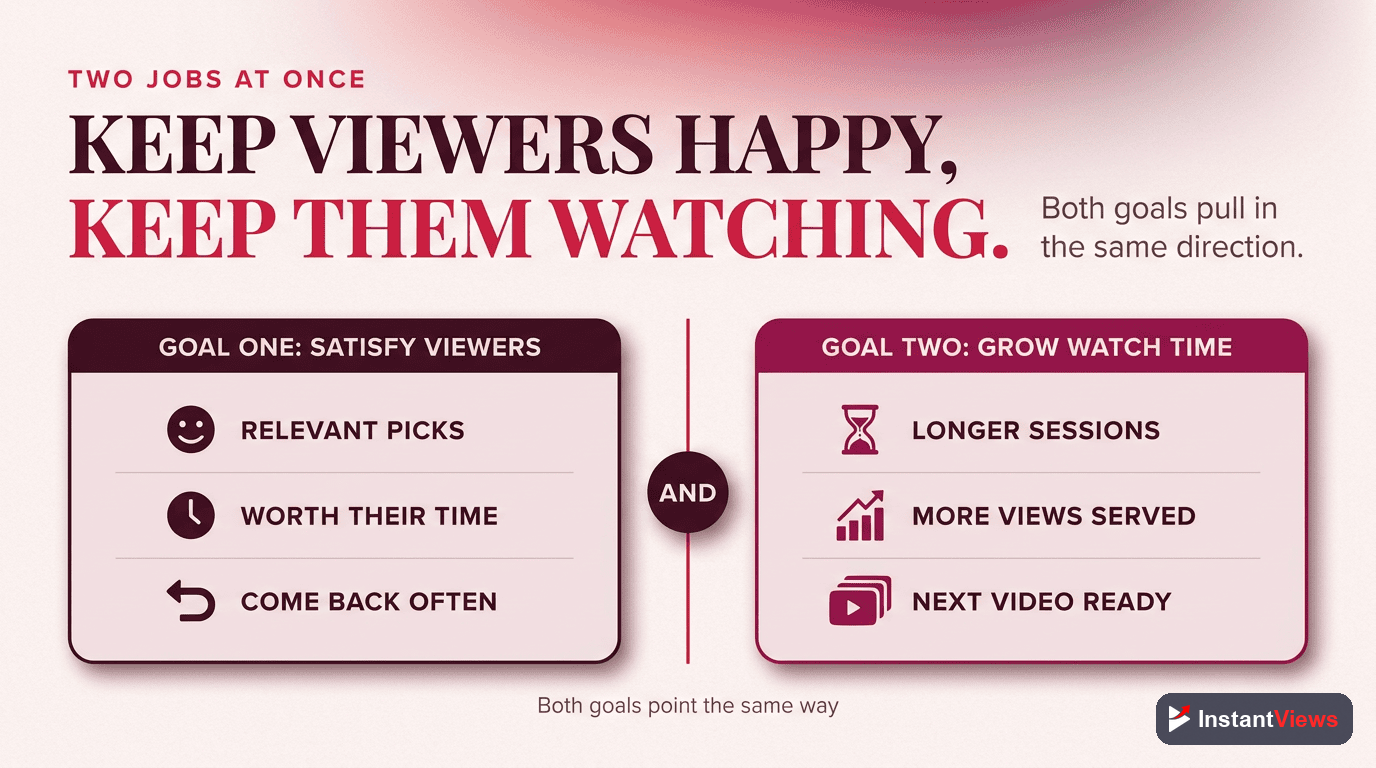
The Algorithm's Two Goals
Every decision the algorithm makes comes down to two primary goals:
Goal #1: Find Videos Viewers Want to Click
The algorithm measures this through Click-Through Rate (CTR) - the percentage of people who click on your video after seeing it.
- 4-6% CTR is average for most channels
- 8-10% CTR is excellent
- Above 10% CTR often indicates viral potential
What influences CTR: Thumbnail quality, title clarity, topic relevance to the viewer, and timing.
Goal #2: Find Videos Viewers Want to Watch
The algorithm measures this through Watch Time and Average View Duration (AVD).
- Watch Time: Total minutes viewers spend watching
- AVD: Percentage of video watched on average
- Retention Graph: Exactly where viewers drop off
What influences Watch Time: Video quality, pacing, hook strength, content delivery, and video length.
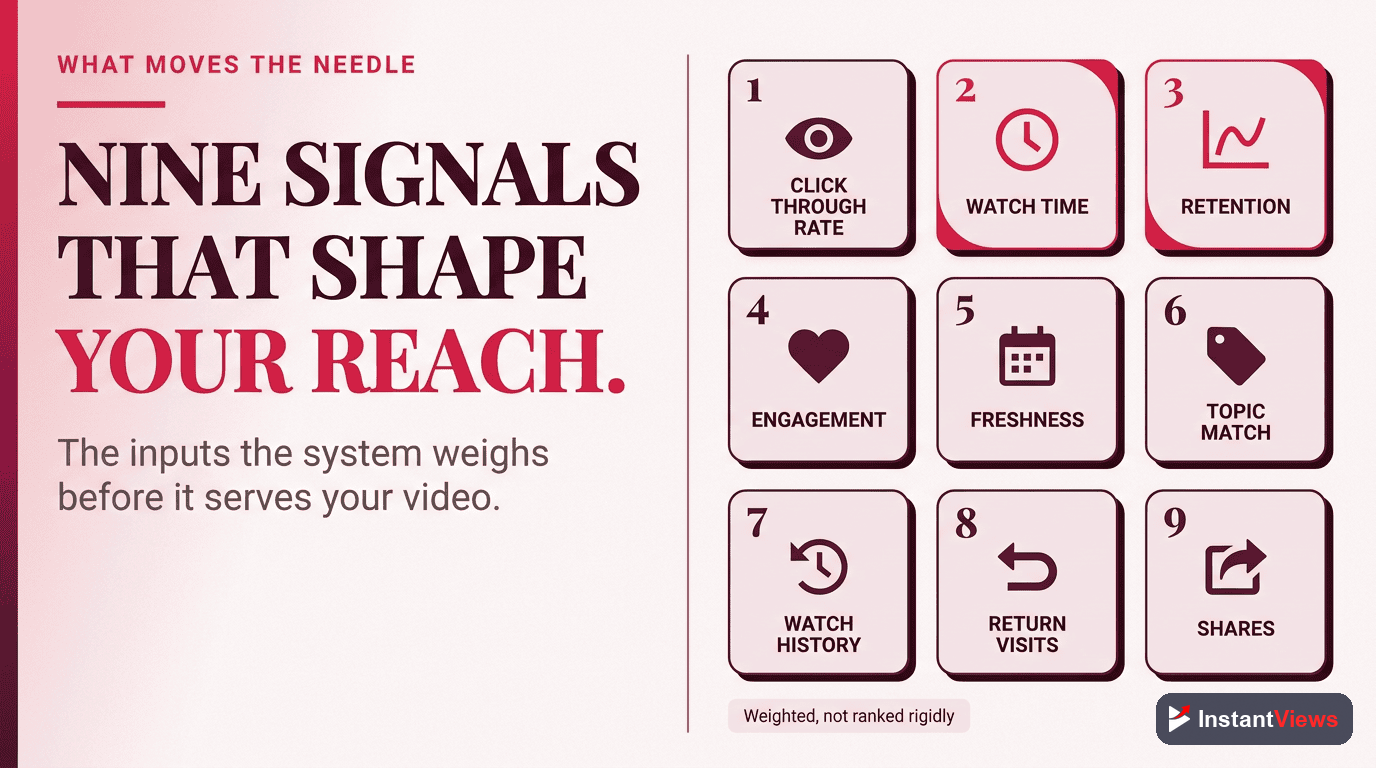
9 Ranking Factors That Matter Most
Here are the factors YouTube's algorithm weighs most heavily, in order of impact:
Watch Time (Total Minutes Watched)
The single most powerful ranking signal. YouTube wants to maximize total watch time on the platform, so videos that accumulate more watch hours get promoted more.
A 10-minute video with 50% retention (5 minutes) outperforms a 5-minute video with 70% retention (3.5 minutes) because it generates more total watch time.
Click-Through Rate (CTR)
The percentage of impressions that turn into views. High CTR tells YouTube that your content is relevant and appealing to the audience it's being shown to.
CTR determines how many impressions YouTube gives you. Low CTR means the algorithm stops showing your video, even if retention is good.
Average View Duration (AVD)
The average percentage of your video that viewers watch. This indicates content quality and how well you deliver on your title and thumbnail promise.
AVD above 40% is strong. Above 60% is exceptional. Low AVD signals clickbait or poor content quality.
Session Time
How long viewers stay on YouTube after watching your video. If your video leads viewers to watch more content, YouTube rewards you.
End screens and suggested videos matter. Keeping viewers on the platform signals high-quality content.
Upload Frequency & Consistency
Channels that upload regularly get prioritized in subscriber feeds and recommendations. The algorithm favors active creators.
Posting consistently (2-3x per week) trains the algorithm and builds audience habits. Inconsistent posting hurts channel momentum.
Viewer Engagement (Likes, Comments, Shares)
Engagement signals viewer satisfaction. Comments especially indicate strong audience connection.
High engagement doesn't directly boost rankings, but it correlates with the metrics that do (watch time, CTR).
Video Freshness (Recency)
Newer videos get priority in the first 48-72 hours. After that, performance matters more than upload date.
New videos get initial testing opportunities. Older videos with strong evergreen performance continue getting recommended.
Video Metadata (Title, Description, Tags)
Metadata helps YouTube understand what your video is about and who to show it to. Keywords matter for search and suggested videos.
Good SEO gets your video in front of the right audience. Poor metadata means the algorithm can't match you with interested viewers.
Channel Authority & History
Channels with a track record of strong-performing videos get more initial impressions and trust from the algorithm.
Building channel authority takes time. Each successful video makes it easier for future uploads to succeed.
The First 48 Hours: Testing Phase
Understanding how YouTube tests new videos is crucial for optimization.
Hour 0-2: Subscriber Test
YouTube shows your video to a small percentage of subscribers and evaluates their response. If they click and watch, the algorithm expands distribution.
Hour 2-24: Expansion Phase
If initial metrics are strong, YouTube starts showing your video in Browse Features and Suggested Videos for non-subscribers. This is where videos can start gaining momentum.
Hour 24-72: Scaling Decision
The algorithm decides whether to continue pushing your video based on cumulative performance. Strong retention and CTR lead to exponential growth.

Where Recommendations Come From
YouTube surfaces videos through multiple discovery features:
| Source | Description | Optimization Strategy |
|---|---|---|
| Browse Features | Home page and subscription feed | Strong thumbnails, consistent posting |
| Suggested Videos | Sidebar and up next | Related content, similar audiences |
| Search Results | YouTube and Google search | SEO optimization, keyword targeting |
| Notifications | Bell icon subscribers | Upload consistency, quality content |
| External Sources | Social media, websites, embeds | Shareability, cross-platform promotion |
Optimize for the Algorithm Before Upload
Analyze your video's CTR potential, retention score, and SEO optimization with our AI-powered Video Analyzer.
Analyze Your Video →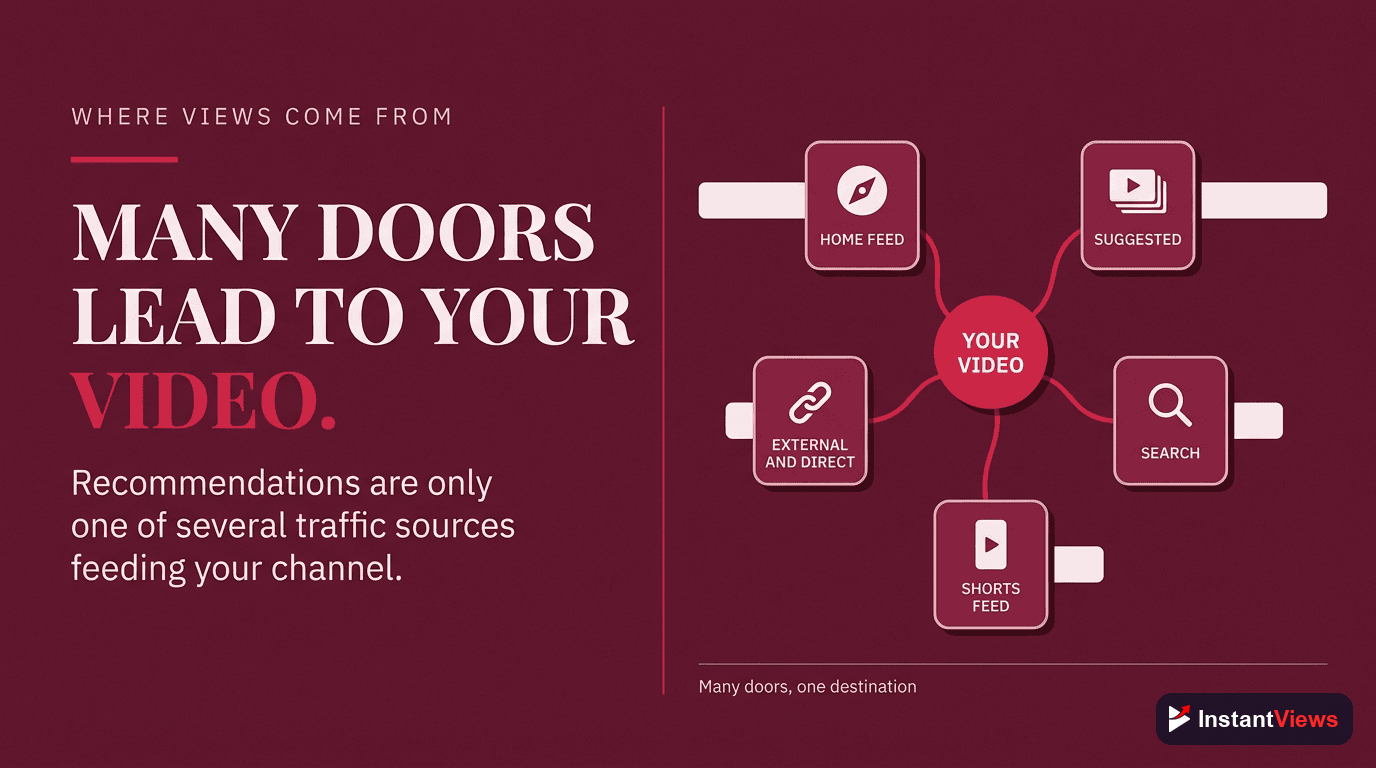
How to Optimize for the Algorithm
Now that you understand how the algorithm works, here's how to optimize your videos:
1. Master the Click-and-Watch Formula
- Create click-worthy thumbnails that stand out and communicate value
- Write compelling titles that trigger curiosity without clickbait
- Deliver on your promise immediately to prevent early drop-off
2. Optimize for Watch Time
- Hook viewers in 5-15 seconds with pattern interrupts or result previews
- Cut ruthlessly - remove all dead air and filler
- Use chapters to help viewers navigate to relevant sections
- Create open loops that keep viewers watching until the end
3. Build Channel Authority
- Post consistently on a predictable schedule
- Stay in your niche to build topical authority
- Analyze what works and double down on successful formats
4. Leverage SEO Strategically
- Research keywords your audience actually searches for
- Optimize titles for both search and CTR
- Write detailed descriptions with timestamps and keywords
- Use tags wisely - specific tags outperform generic ones
5. Encourage Engagement
- Ask questions that prompt comments
- Reply to comments to boost engagement signals
- Create community that viewers want to participate in
"The algorithm rewards creators who consistently deliver what viewers want to watch. It's not complicated, but it requires discipline." - Paddy Galloway, YouTube Strategist

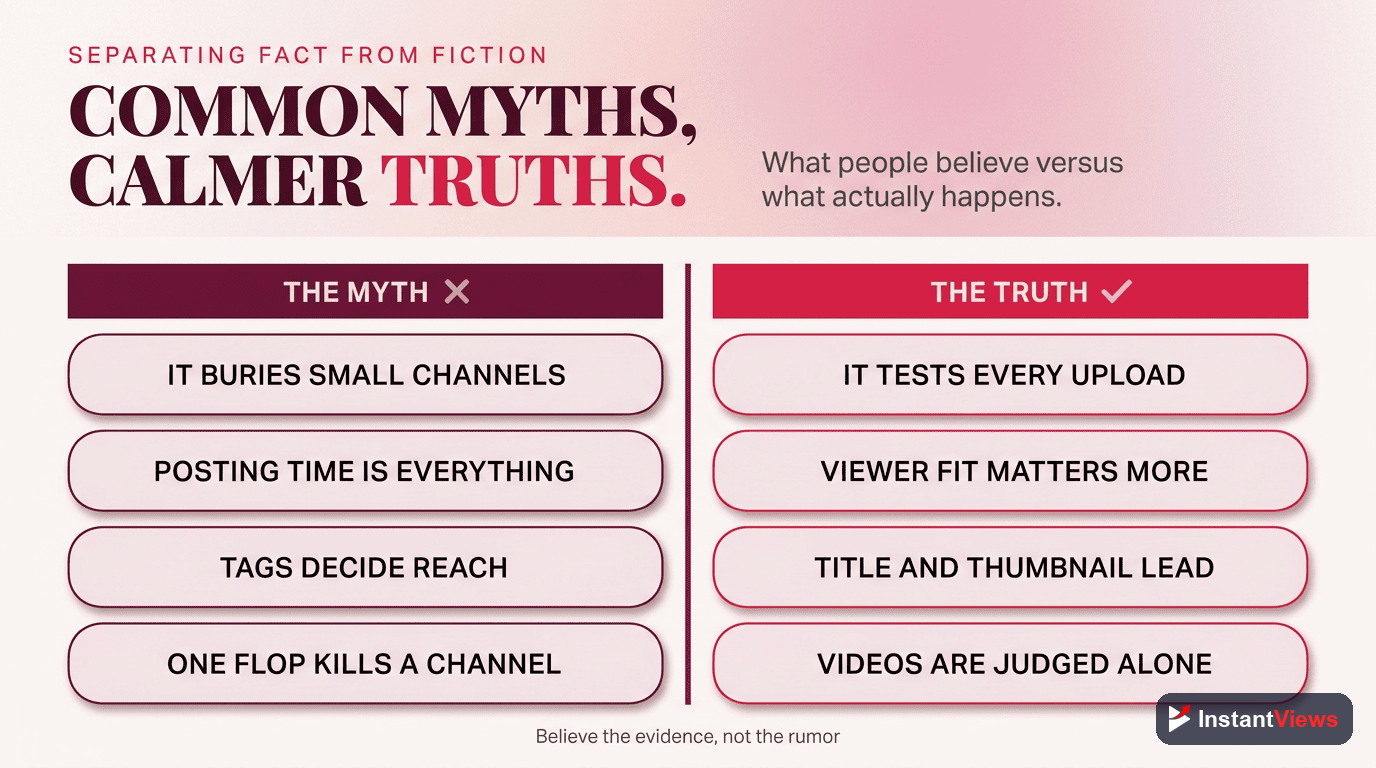
Algorithm Myths Debunked
Let's clear up common misconceptions:
Myth: "YouTube is Suppressing My Videos"
Reality: YouTube has no reason to suppress good content. If views are low, it's because viewers aren't clicking or aren't watching. The algorithm responds to data, not personal bias.
Myth: "You Need to Post Every Day to Succeed"
Reality: Quality over quantity wins. Three excellent videos per week outperform seven mediocre daily uploads. Consistency matters more than frequency.
Myth: "The Algorithm Favors Big Channels"
Reality: The algorithm personalizes recommendations. Small channels with high engagement in specific niches can outperform large channels with declining metrics.
Myth: "You Need to Use Specific Keywords to Rank"
Reality: YouTube's AI understands context and synonyms. Natural language in titles and descriptions works better than keyword stuffing.
Myth: "Subscriber Count Matters Most"
Reality: Engaged viewers matter more than total subscribers. Channels with 10K active subscribers can outperform channels with 100K inactive ones.
Final Thoughts: Work With the Algorithm, Not Against It
The YouTube algorithm isn't your enemy - it's a tool that rewards creators who serve their audience well.
Focus on these fundamentals:
- Create content viewers want to click on (CTR)
- Deliver content viewers want to watch (Watch Time)
- Be consistent and patient (Authority)
- Analyze and improve (Optimization)
The algorithm changes constantly, but these principles remain. Master them, and YouTube will reward you with views, subscribers, and growth.
Frequently Asked Questions
The YouTube algorithm uses machine learning to personalize recommendations for each viewer. It tracks two main goals: finding videos viewers want to watch (through click-through rate) and keeping them watching (through watch time and retention). The algorithm considers hundreds of signals including video performance, viewer behavior, and satisfaction metrics.
Watch time (total minutes watched) is the most powerful ranking factor. However, it works together with CTR (click-through rate) and average view duration. A video needs good CTR to get impressions, then strong retention to continue getting recommended. No single factor works alone.
YouTube starts testing your video immediately with a small audience (usually subscribers). If it performs well in the first 1-2 hours, it gets pushed to a larger audience. The algorithm continues evaluating performance for 24-72 hours. Videos can go viral weeks or months later if they maintain strong metrics.
Consistency matters more than frequency. Posting 2-3 high-quality videos per week consistently performs better than daily low-quality uploads. The algorithm favors channels that maintain viewer satisfaction. Regular posting keeps your channel active in subscribers' feeds and trains the algorithm on your content patterns.
Absolutely. YouTube is a search engine - videos can rank for years if they have strong SEO and maintain good performance metrics. Evergreen content often gets more views over time as it accumulates authority. The algorithm continuously re-evaluates all videos, not just new uploads.
Check YouTube Analytics for key signals: CTR above 4-6%, average view duration above 40%, and growing impressions over the first 48 hours. If impressions are increasing and retention stays strong, the algorithm is pushing your video. Declining impressions despite good metrics means the audience pool is saturating.