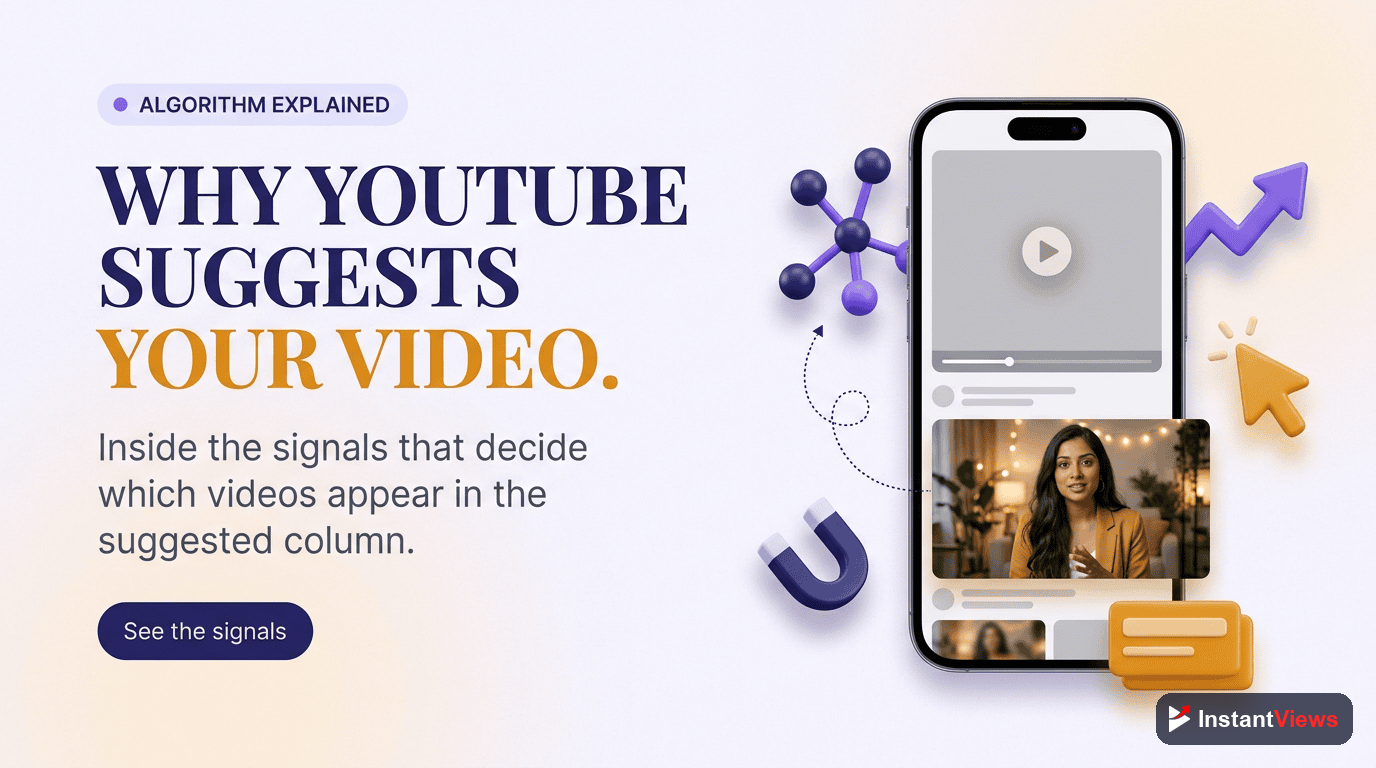
- YouTube's suggested videos algorithm drives 70% of all watch time on the platform
- Audience retention and watch time are the most critical ranking factors
- CTR (Click-Through Rate) determines initial impressions; retention determines continued promotion
- Session watch time - keeping viewers on YouTube - matters more than individual video views
- Use the InstantViews Video Analyzer to optimize your suggestion potential score
Getting your videos suggested on YouTube is the holy grail of channel growth. While search traffic is predictable, suggested videos drive 70% of all watch time on the platform - and can turn a single viral video into millions of views.
But YouTube's suggestion algorithm is notoriously complex. It analyzes hundreds of signals to decide which videos to recommend. Understanding these signals is the difference between videos that get buried and ones that explode.
This comprehensive guide breaks down exactly how the suggested videos algorithm works in 2026, the ranking factors that matter most, and proven optimization strategies to get your content recommended more often.
- How the Suggested Videos Algorithm Works
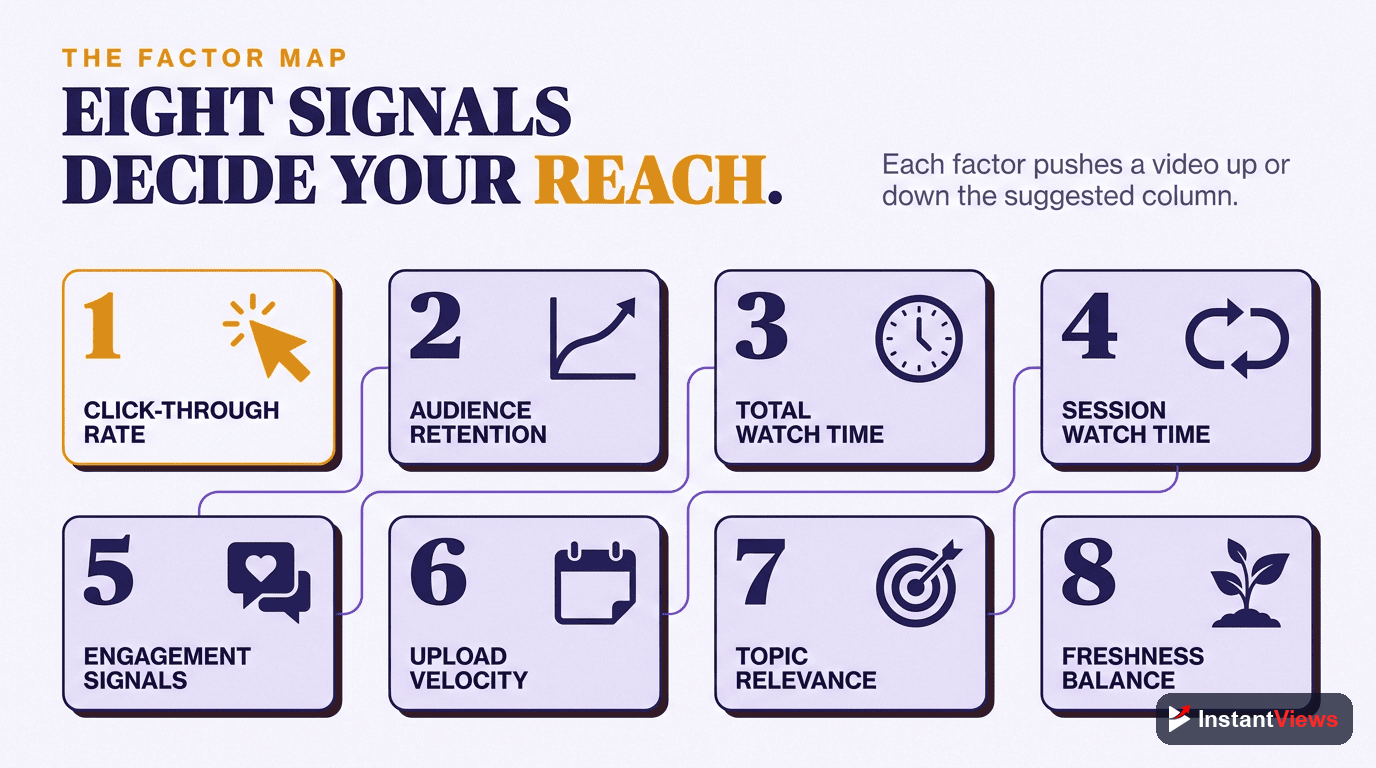
- Top 8 Ranking Factors
- Factor #1: Click-Through Rate (CTR)
- Factor #2: Audience Retention
- Factor #3: Total Watch Time
- Factor #4: Session Watch Time
- Factor #5: Engagement Signals
- Factor #6: Upload Velocity & Consistency
- Factor #7: Topic & Audience Relevance
- Factor #8: Freshness vs. Evergreen Balance
- Optimization Strategies
- FAQ
How the Suggested Videos Algorithm Works
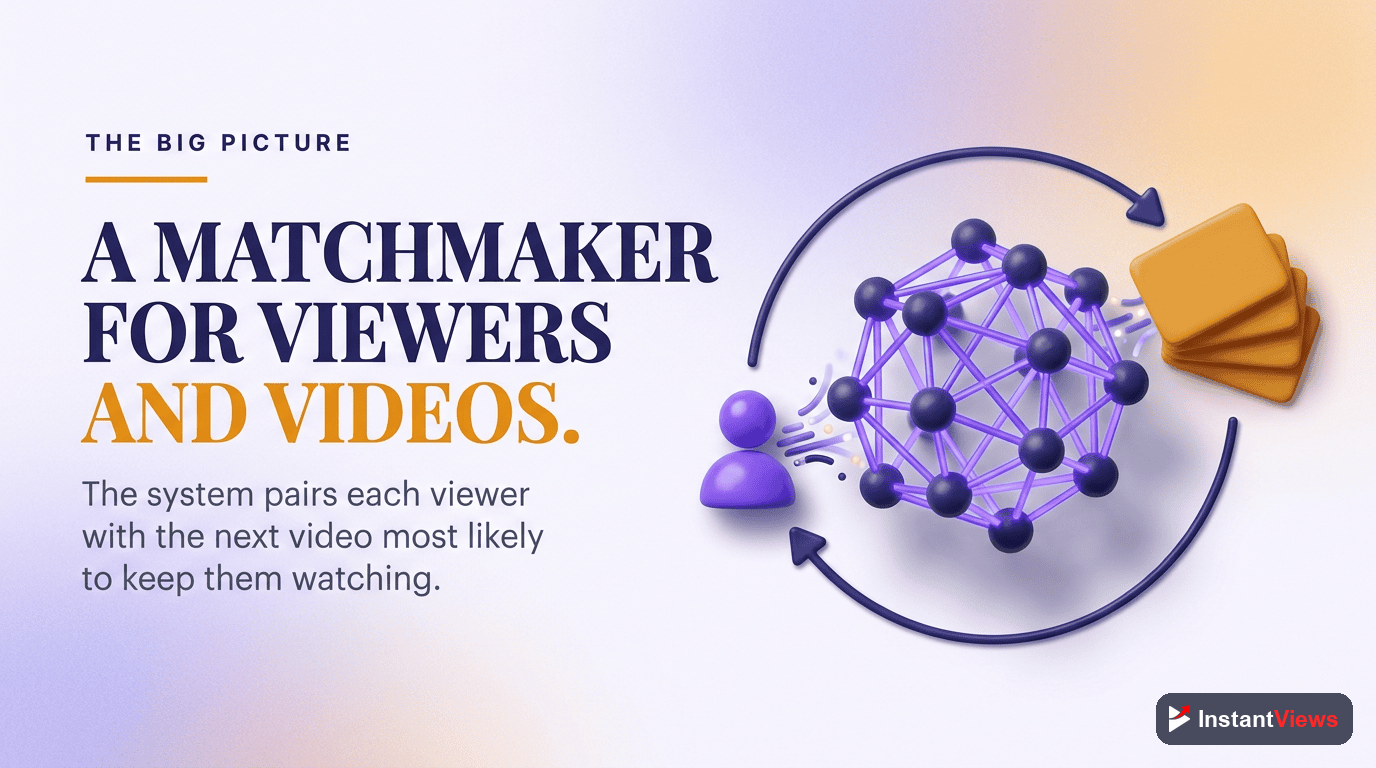
YouTube's algorithm uses machine learning to predict which videos each individual viewer is most likely to watch and enjoy. It's not about what's "best" - it's about what's most relevant to that specific person at that specific moment.
The system works in three stages:
- Candidate Generation - YouTube pulls hundreds of potential videos based on your viewing history, similar content, and trending topics
- Ranking - These candidates are ranked using hundreds of signals (CTR, retention, engagement, etc.)
- Personalization - The final list is customized for each viewer based on their unique preferences and behavior
Your job as a creator is to send the strongest possible signals in the ranking stage. Here's what matters most.
The algorithm doesn't care about subscriber count, production quality, or how long you've been creating. It only cares about performance metrics - does your content keep people watching?
Top 8 Ranking Factors for Suggested Videos
Based on YouTube's public statements and extensive creator data, these are the factors that most heavily influence whether your video gets suggested:
Factor #1: Click-Through Rate (CTR)
Click-Through Rate (CTR)
CTR measures what percentage of people click your video when they see it. This determines whether YouTube gives your video initial impressions. Low CTR = fewer impressions. High CTR = more impressions.
Benchmarks:
- Below 2% - Poor, video won't be suggested widely
- 2-4% - Average for most niches
- 4-6% - Good, algorithm will test more
- 6-10% - Excellent, strong suggestion potential
- 10%+ - Exceptional, viral potential
How to optimize: Create irresistible thumbnails with high contrast, clear focal points, and emotional expressions. Write titles that promise clear value while creating curiosity gaps.

Factor #2: Audience Retention
Audience Retention
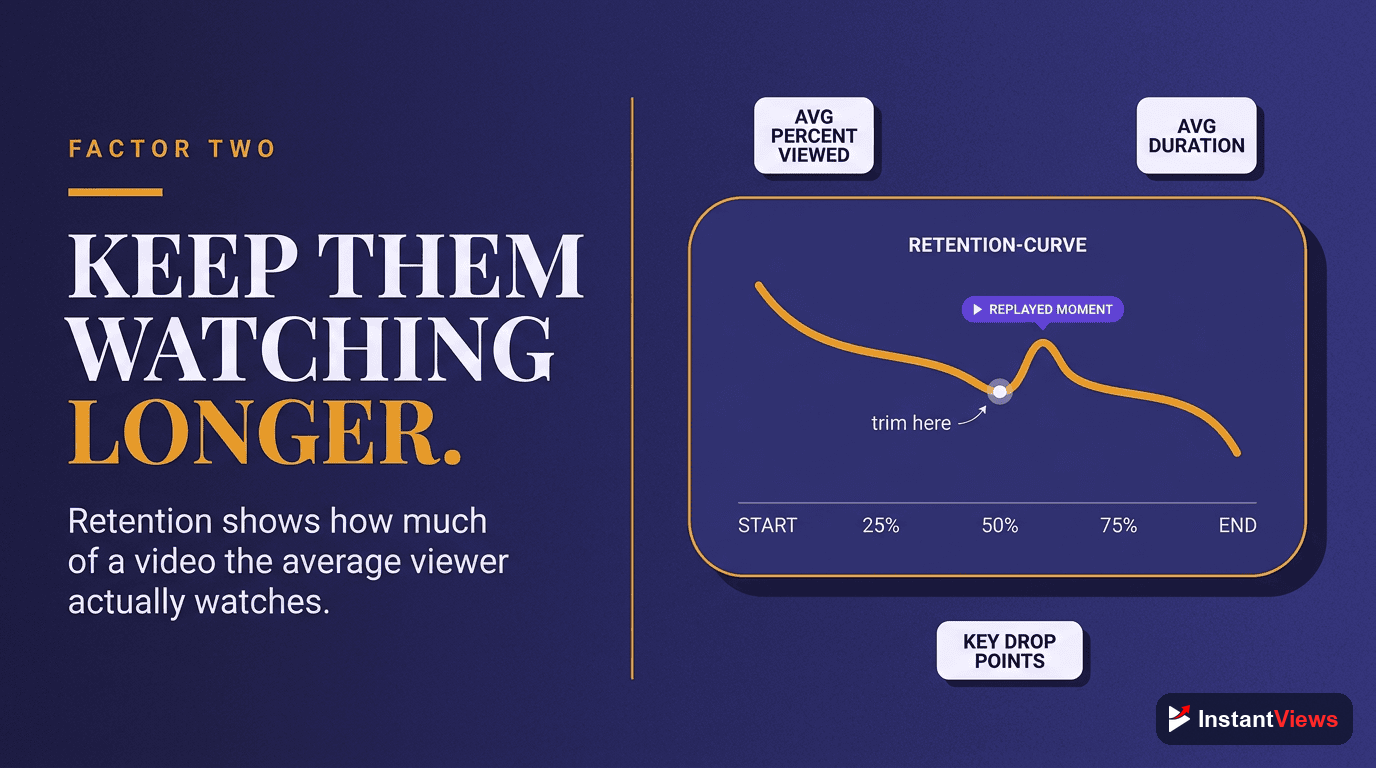
Retention shows what percentage of your video people actually watch. This is YouTube's #1 quality signal. Videos that keep viewers watching get suggested more. Period.
Key thresholds:
- 30-second retention: 80%+ signals a strong hook
- Average view duration: 50%+ is excellent
- Relative retention: Should beat the average for videos of your length
How to optimize: Hook viewers in the first 8 seconds, eliminate dead air, use pattern interrupts every 30 seconds, and structure content with clear progression that rewards continued watching.
Factor #3: Total Watch Time
Total Watch Time
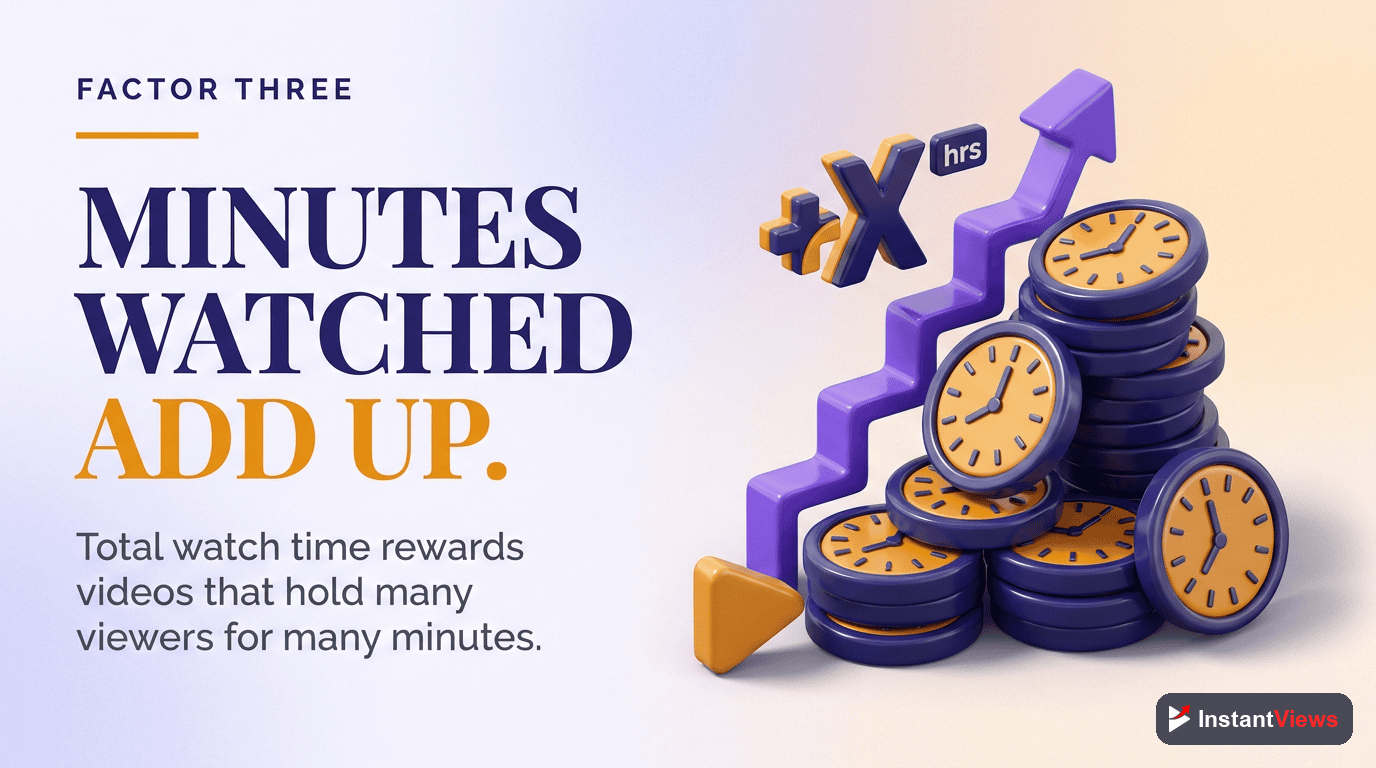
The total minutes watched matters because it represents real value delivered to viewers. A 10-minute video with 60% retention (6 min watched) beats a 5-minute video with 80% retention (4 min watched).
The sweet spot: 8-12 minute videos tend to perform best for educational content. Long enough to demonstrate value, short enough to maintain attention.
How to optimize: Don't artificially inflate length, but also don't rush. Take the time needed to deliver complete value. Use chapters to show clear structure.
Factor #4: Session Watch Time
Session Watch Time
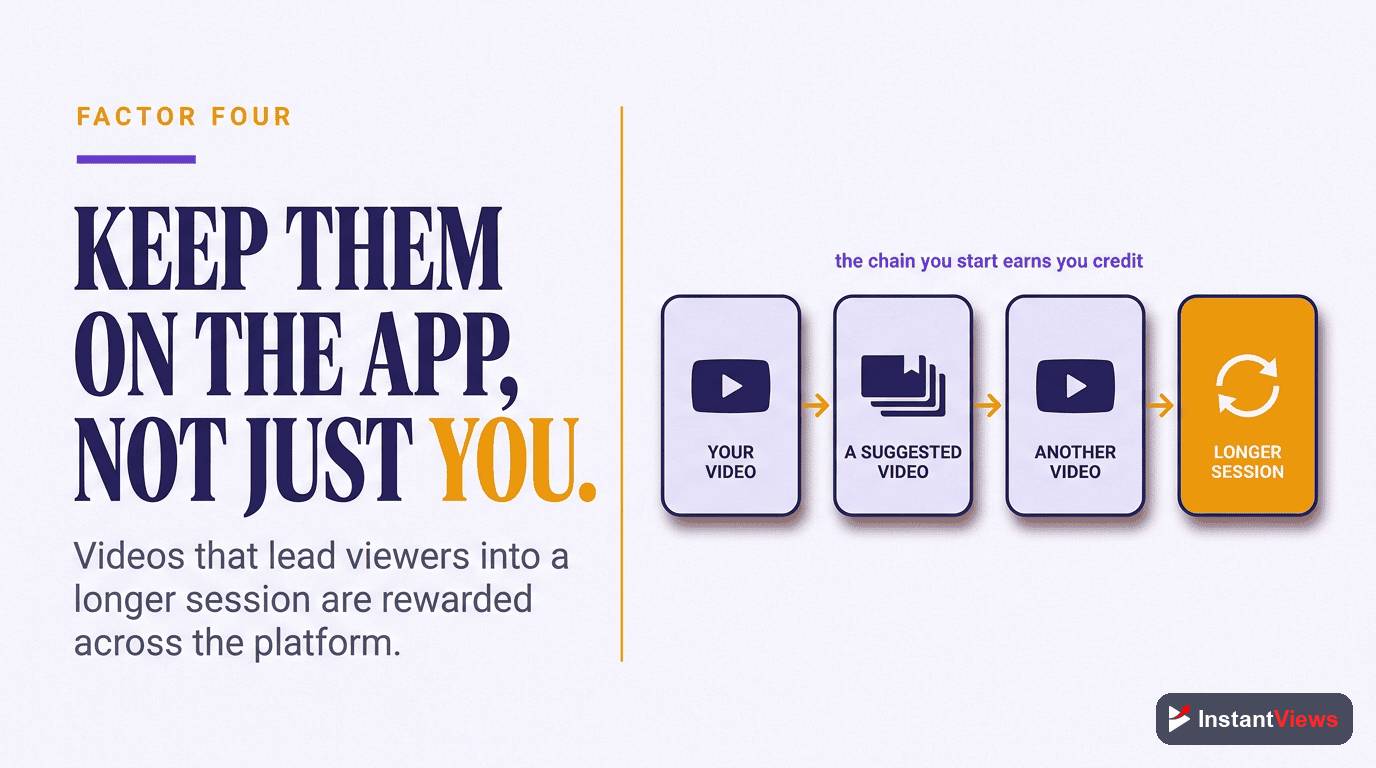
YouTube cares more about keeping viewers on the platform than on your channel. If your video leads to 30+ minutes of additional watching, the algorithm loves you - even if people leave your channel.
How to optimize: Create playlists, use end screens strategically, suggest related videos (even from other creators), and time your uploads when your audience is most active.
"We're not trying to maximize for the next click or the next video view. We're trying to maximize for satisfaction and time well spent." - YouTube's Chief Product Officer
Factor #5: Engagement Signals
Engagement Signals
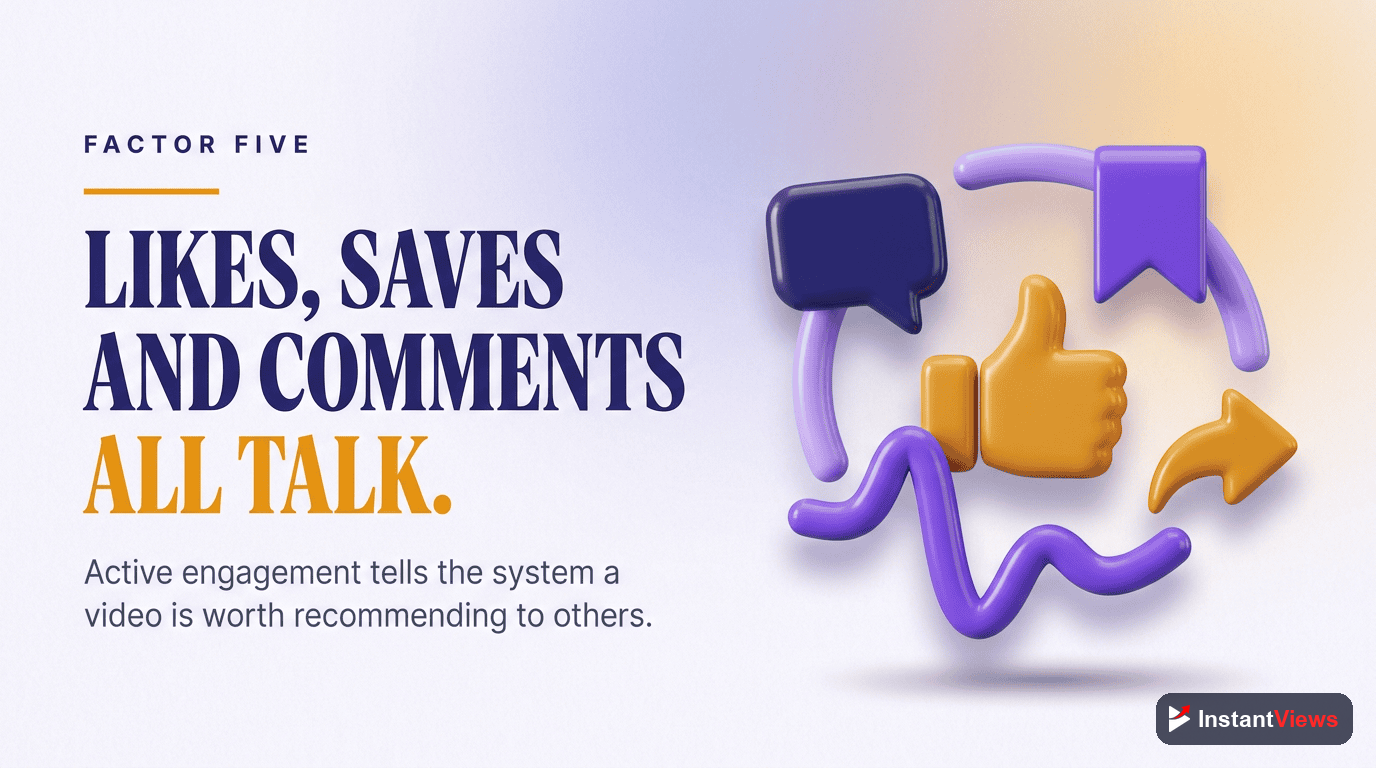
Likes, comments, shares, and saves signal that your content resonates. While not as important as retention, high engagement can push borderline videos into suggested feeds.
What matters most:
- Comments - High value, especially when you reply (shows community)
- Saves/Adds to playlist - Extremely strong signal of value
- Shares - Indicates content worth recommending to others
- Likes - Positive but lower weight than above
How to optimize: Ask specific questions in your videos, create "save this for later" moments, and make content genuinely worth sharing.
Factor #6: Upload Velocity & Consistency
Upload Velocity & Consistency
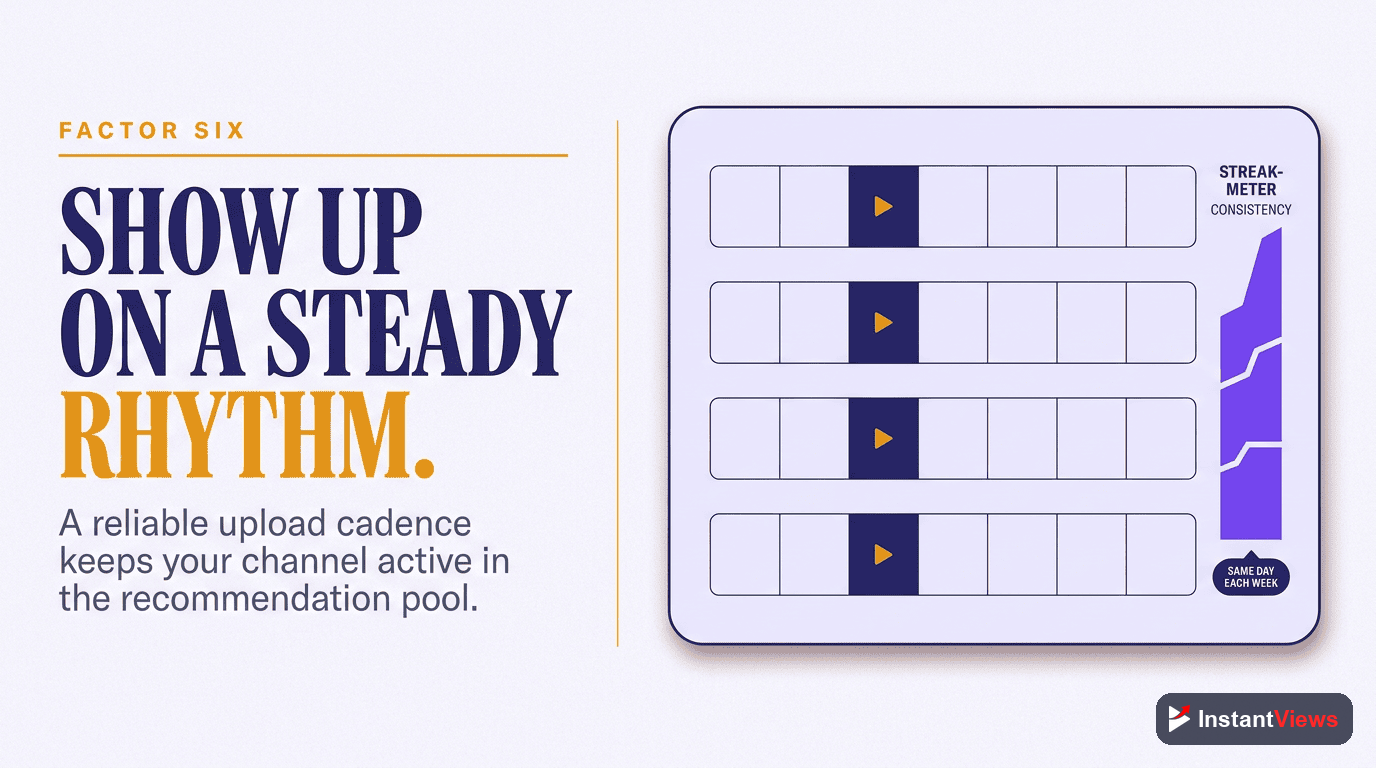
Channels that upload consistently train YouTube's algorithm on what to expect and when. Erratic uploads confuse the system and hurt suggestion potential.
Optimal frequency: 1-3 videos per week for most creators. More important than quantity is consistency - pick a schedule and stick to it.
How to optimize: Batch create content, maintain a buffer of 2-3 ready videos, and use scheduled publishing to maintain consistency even during busy periods.
Factor #7: Topic & Audience Relevance
Topic & Audience Relevance
YouTube suggests your videos to people who watch similar content. The more clearly defined your niche and target audience, the better the algorithm can match you with interested viewers.
How YouTube determines relevance:
- Video titles, descriptions, and tags
- Topics of videos your audience also watches
- Viewer search and watch history
- Channel categorization and consistency
How to optimize: Stay focused on your core topics (at least 80% of content), use consistent terminology, and study what your target audience is already watching.

Factor #8: Freshness vs. Evergreen Balance
Freshness vs. Evergreen Balance
For trending topics, recency matters a lot. For educational/evergreen content, age matters less. The algorithm adapts based on content type and viewer intent.
Trending content: Gets an initial boost but fades quickly. News, reactions, and timely content.
Evergreen content: Builds slowly but can compound for years. Tutorials, educational content, and how-to videos.
How to optimize: Create 70% evergreen content for sustainable growth, 30% trending/timely content for spikes. The evergreen videos continue bringing traffic long-term.
Analyze Your Suggestion Potential
Get an instant score showing how likely your video is to be suggested, plus specific optimization recommendations.
Analyze Your Video →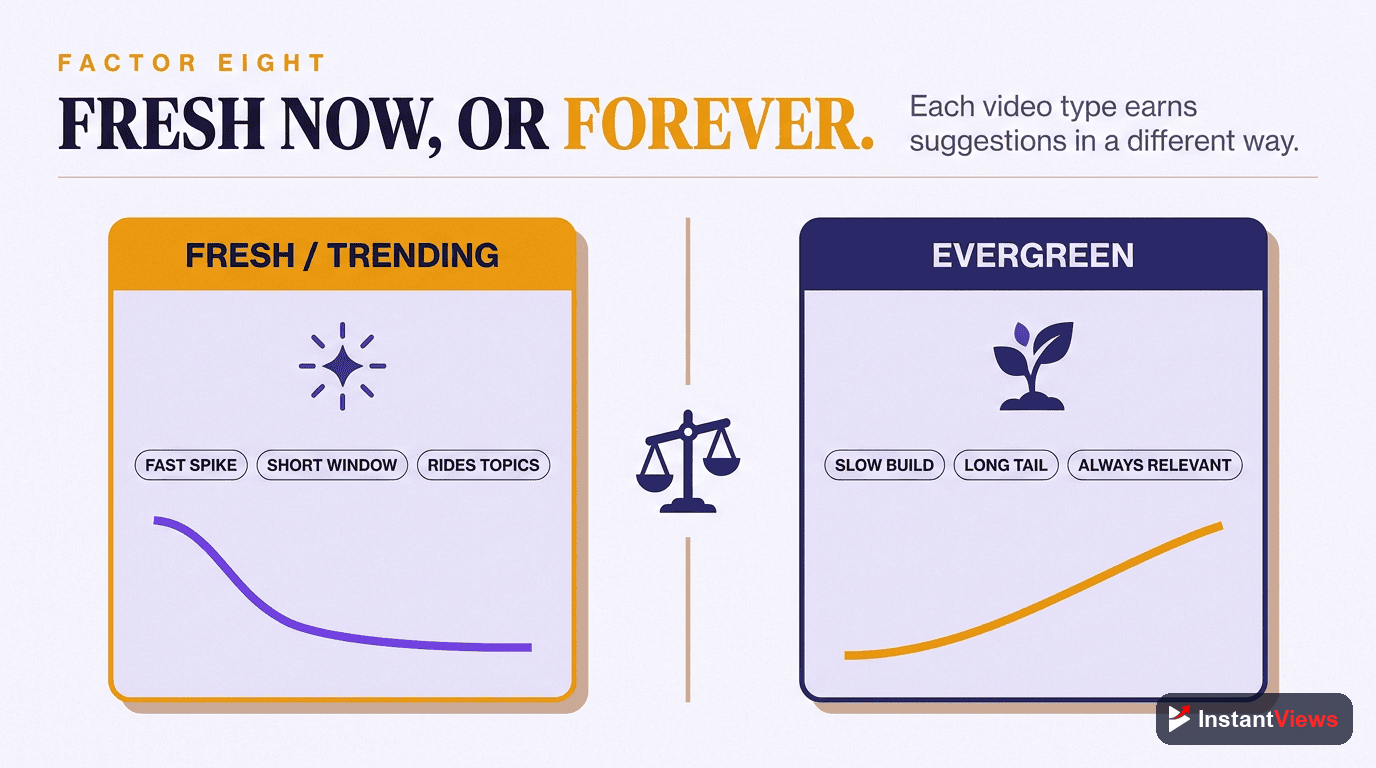
Proven Optimization Strategies
Now that you understand the ranking factors, here are actionable strategies to improve your suggestion potential:
1. Perfect Your First 30 Seconds
The first 30 seconds determine everything. YouTube measures retention from second one. Use these proven hook patterns:
- Show the payoff/result first
- Ask a compelling question
- Make a bold/controversial statement
- Preview the most exciting moment
- Create an open loop (start a story, finish it later)
2. Optimize for "Suggested Alongside"
Your videos will be suggested next to similar content. Research what's already successful in your niche:
- Identify top performers in your topic area
- Analyze their titles, thumbnails, and video structure
- Create complementary content (not copies) that fits the same audience
- Use similar (but not identical) keywords and topics
3. Build Session Time with Strategic CTAs
Help YouTube by explicitly guiding viewers to more content:
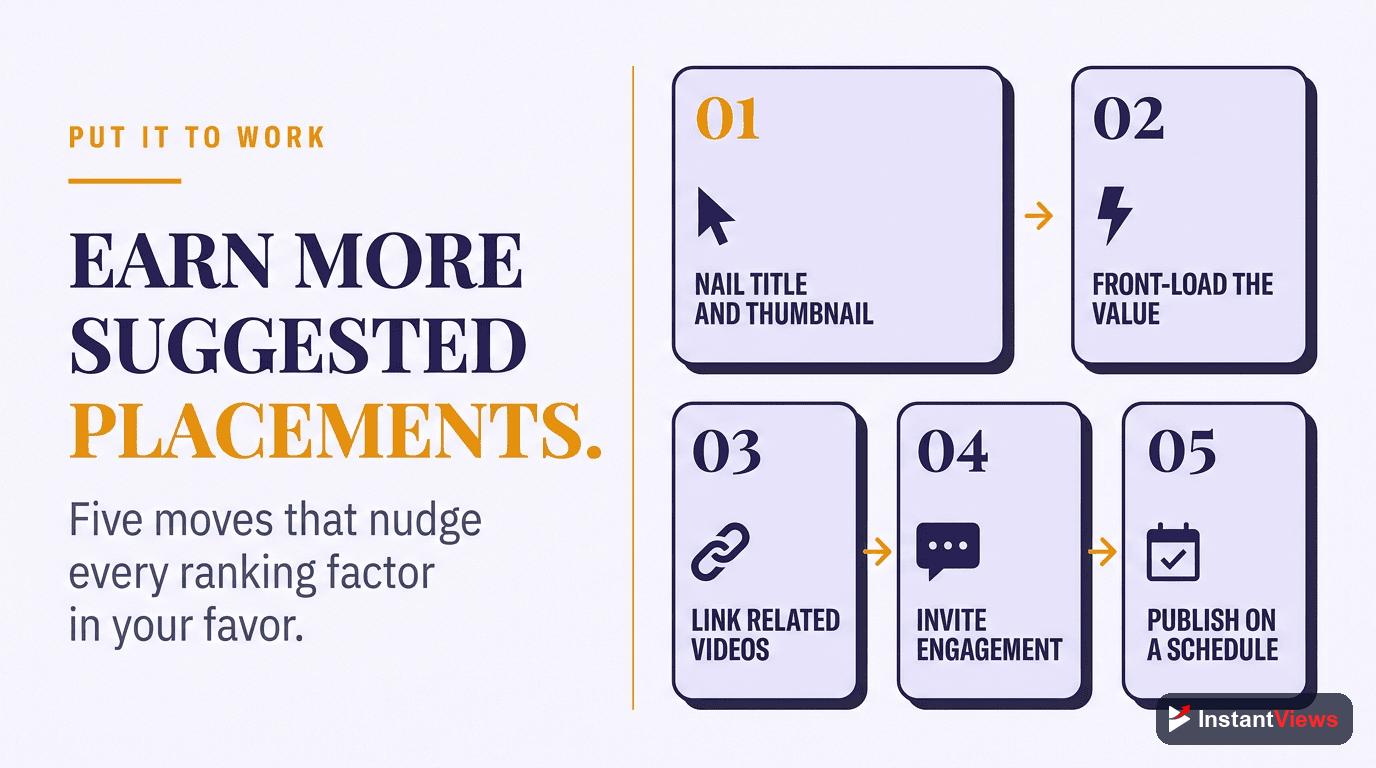
- Reference your other videos naturally in content
- Use cards at high-retention moments (not at drop-off points)
- Create series/playlists that encourage binge-watching
- End screens should suggest your best-performing related video
4. Master the Thumbnail-Title Combo
Your CTR depends on these working together, not separately:
- Thumbnail: Show emotion, use 3 words max, high contrast, clear focal point
- Title: Front-load the value, create curiosity, use power words
- Together: Should tell a coherent story that demands a click
| Strategy | Impact on Suggestions | Difficulty | Time to Results |
|---|---|---|---|
| Improve retention | Very High | Hard | 1-3 videos |
| Optimize CTR | Very High | Medium | Immediate |
| Upload consistently | High | Medium | 4-8 weeks |
| Focus on niche | High | Easy | 2-4 weeks |
| Increase watch time | Medium | Hard | 2-4 videos |
| Drive engagement | Medium | Easy | Immediate |
5. Analyze Successful Patterns
Use YouTube Analytics to identify what's working:
- Check "Traffic sources" to see suggestion performance
- Compare retention curves of high vs. low performers
- Identify which videos drive the most session time
- Double down on formats/topics that get suggested most
6. The 48-Hour Window
YouTube evaluates new videos most heavily in the first 24-48 hours. Maximize early performance:
- Publish when your audience is most active (check Analytics)
- Notify subscribers via community posts
- Share on other platforms to drive initial views
- Engage with early comments to boost interaction signals
Don't buy views or use sub4sub tactics. YouTube's algorithm detects artificial engagement and will suppress your entire channel. Focus on genuine optimization instead.
Measuring Success
Track these metrics to gauge your suggestion performance:
- Suggested video traffic % - Should be 40-70% of total views
- Browse features traffic % - Shows homepage/subscription feed performance
- Average view duration - Higher = better suggestions
- CTR trend - Should improve over time as you refine thumbnails
- Viewer loyalty - Returning viewers signal quality to algorithm
"The best way to optimize for the algorithm is to optimize for your audience. Make content so good that people can't help but watch, engage, and share." - YouTube Creators
Frequently Asked Questions
YouTube's algorithm analyzes hundreds of signals including watch history, video performance (CTR, retention), viewer behavior, topic relevance, and engagement metrics. It personalizes suggestions based on each viewer's unique preferences and watching patterns.
Audience retention is the single most important factor. Videos that keep viewers watching for longer periods signal quality to YouTube's algorithm and are more likely to be suggested to similar audiences. A 60%+ average view duration significantly increases suggestion potential.
YouTube begins testing your video in suggestions within hours of publishing, but meaningful traction typically takes 1-7 days. The algorithm needs data on how viewers respond. Videos with strong early performance (first 24-48 hours) get pushed harder into suggestions.
Absolutely. YouTube's algorithm doesn't favor new content over old - it favors relevant, engaging content. Evergreen videos with consistent performance can appear in suggestions for years. In fact, 70% of watch time on YouTube comes from recommendations, not search.
Common causes include declining click-through rate, drop in retention, audience satisfaction scores, or YouTube finding better alternatives. Check your analytics for performance changes. Sometimes it's seasonal - interest in topics fluctuates naturally.
YouTube Analytics shows traffic sources - look for "Suggested videos" and "Browse features." The InstantViews Video Analyzer also provides a suggestion potential score based on your video's optimization and performance metrics.