- Competitor analysis reveals proven strategies that already work in your niche
- Analyze 10-20 top-performing videos to identify patterns in titles, thumbnails, and content structure
- Focus on channels 10-100x your size for the most relevant insights
- Study what to analyze: packaging, hooks, pacing, engagement, and SEO optimization
- Use the InstantViews Video Analyzer to score competitor videos and understand their success
Your competitors have already spent thousands of hours figuring out what works. Why start from scratch when you can learn from their success? Effective competitor analysis techniques combined with understanding 2026 benchmarks can accelerate your growth dramatically.
Competitor analysis isn't about copying - it's about understanding the patterns behind viral videos in your niche. What titles get clicks? Which hooks keep viewers watching? How do successful creators structure their content?
This guide shows you exactly what to analyze, which tools to use, and how to apply these insights to grow your channel faster.
Why Competitor Analysis Matters
YouTube success leaves clues. When you analyze competitors systematically, you discover:
- Proven content formats that get views in your niche
- Title and thumbnail patterns that drive high click-through rates
- Hook strategies that retain viewers past the critical first 30 seconds
- Content gaps - topics your competitors haven't covered yet
- Optimal video length for your audience type
The data is clear: creators who study their competition grow 3x faster than those who don't. You're not reinventing the wheel - you're learning from millions of dollars worth of testing.
Competitor analysis is about learning patterns, not plagiarizing content. Always add your unique perspective and never directly copy titles, thumbnails, or scripts.

How to Identify the Right Competitors
Not all competitors are worth analyzing. Focus on channels that meet these criteria:
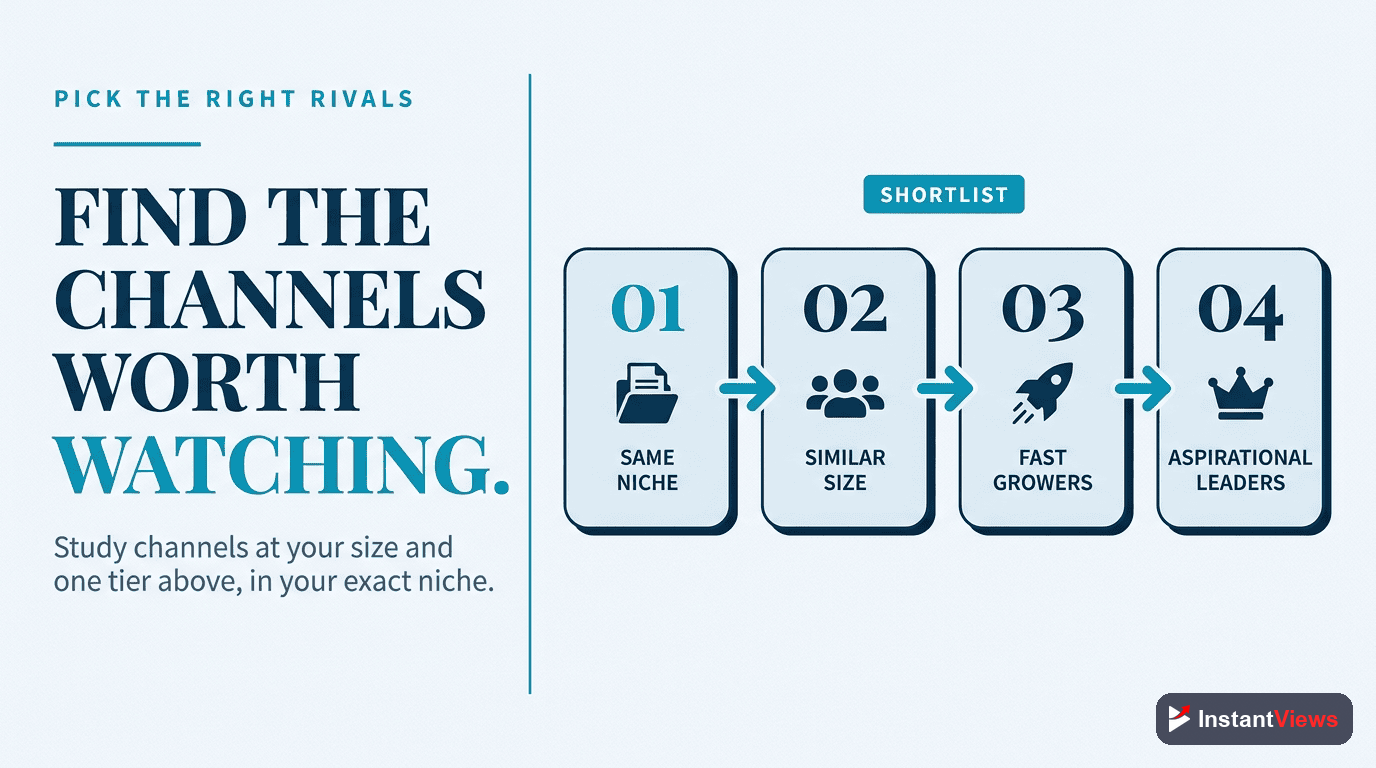
Find Channels 10-100x Your Size
Channels too small won't teach you much. Channels too big play by different rules. The sweet spot is 10-100x your subscriber count.
- Similar niche and target audience
- Consistent upload schedule (at least weekly)
- Uploaded within the last 6 months
- Subscriber count 10-100x yours
- Videos regularly get 10K+ views
How to find them: Search your main topic keywords on YouTube. Filter by upload date (last 6 months) and view count (10K+). These are your direct competitors.
Analyze Titles & Thumbnails
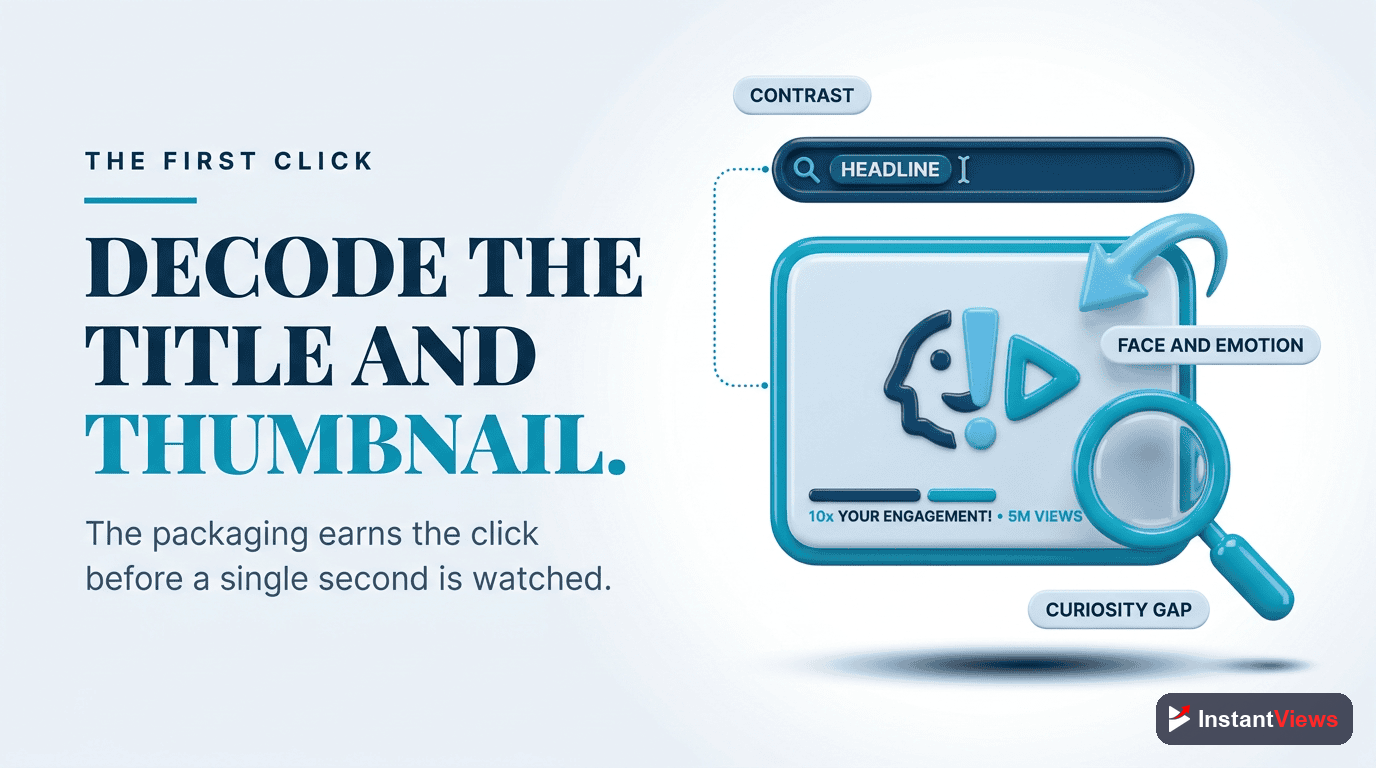
Study Packaging That Gets Clicks
Your title and thumbnail are your first impression. Study what makes viewers stop scrolling and click.
- Character count (most successful are 40-60 characters)
- Use of numbers, brackets, and power words
- Question format vs. statement format
- Emotional triggers (curiosity, fear, excitement)
- Keyword placement and search optimization
For thumbnails, analyze:
- Text overlay: How much text? What font styles?
- Color schemes: High contrast vs. muted tones?
- Face presence: Reaction shots? Emotion displayed?
- Composition: Rule of thirds? Centered elements?
- Visual clarity: Would it work at small size on mobile?
Compare their top 10 videos to their bottom 10. What's different about the packaging? Understanding what drives clicks is key to CTR optimization.
Study Hooks & Video Intros
Decode What Keeps Viewers Watching
The first 30 seconds determine your video's success. Analyze exactly how successful creators hook their audience.
- Time to actual hook (skip greetings?)
- Hook type (question, preview, bold statement, story)
- Visual elements in first 5 seconds
- Music and sound effects usage
- Pattern interrupts and unexpected moments
Watch the first 30 seconds of 10 competitor videos. Take notes on:
- Do they start with a greeting or jump straight to the hook?
- What promise or curiosity do they create?
- How do they transition from hook to main content?
- What editing techniques grab attention?
"I analyze every competitor's first 30 seconds frame by frame. That's where I learn the most about retention." - Ali Abdaal

Break Down Content Structure
Map the Content Flow
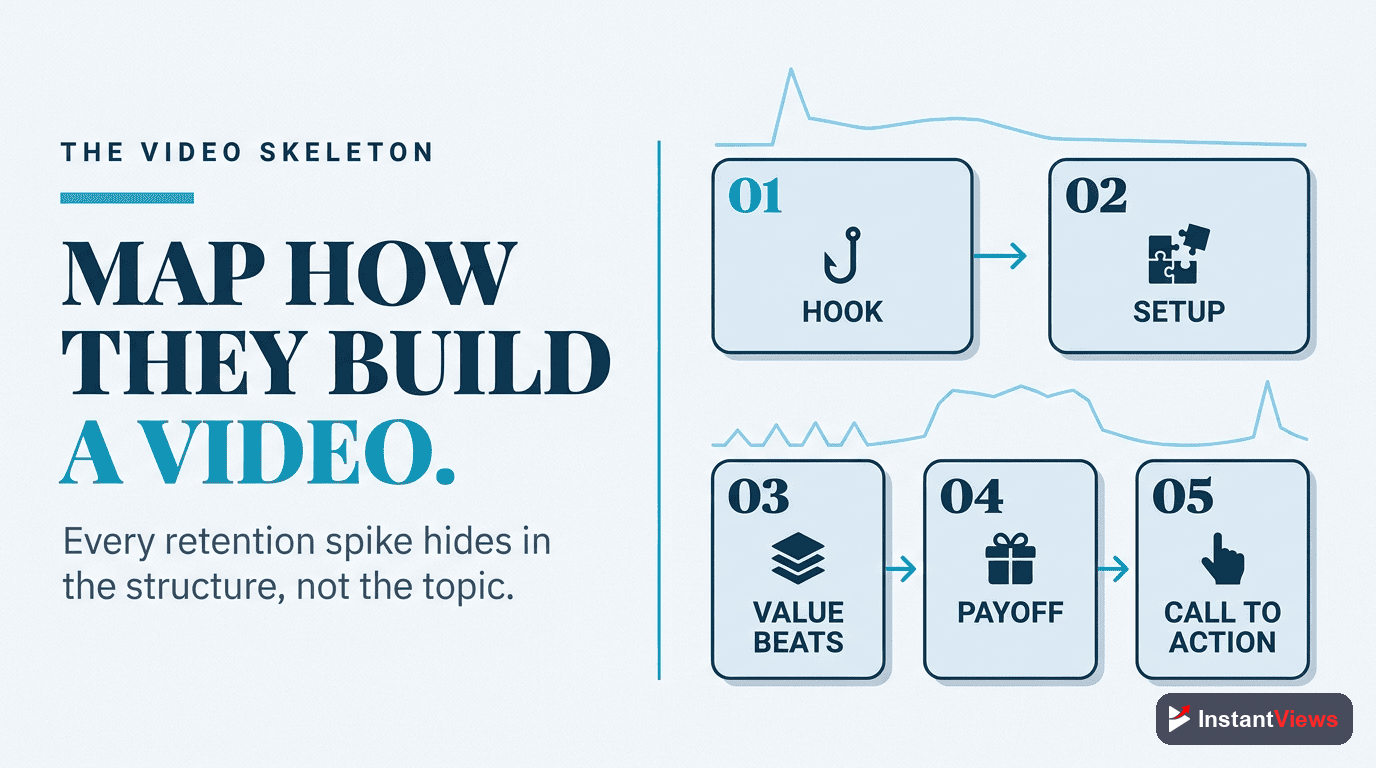
Successful videos follow proven structures. Reverse-engineer how top creators organize their content.
- Video length and pacing
- Number of main points or chapters
- Use of B-roll and visual variety
- When and how often they create open loops
- Call-to-action placement (subscribe, like, next video)
- Outro length and retention tactics
Create a simple timeline for each video you analyze:
| Timestamp | Section | Purpose |
|---|---|---|
| 0:00-0:15 | Hook | Create curiosity, preview result |
| 0:15-0:45 | Context | Why this matters, who it's for |
| 0:45-8:00 | Main Content | 3-5 key points with examples |
| 8:00-9:00 | Recap & CTA | Summarize, ask for engagement |
| 9:00-9:30 | Outro | Suggest next video, end screen |
Track Engagement Patterns
Understand What Resonates
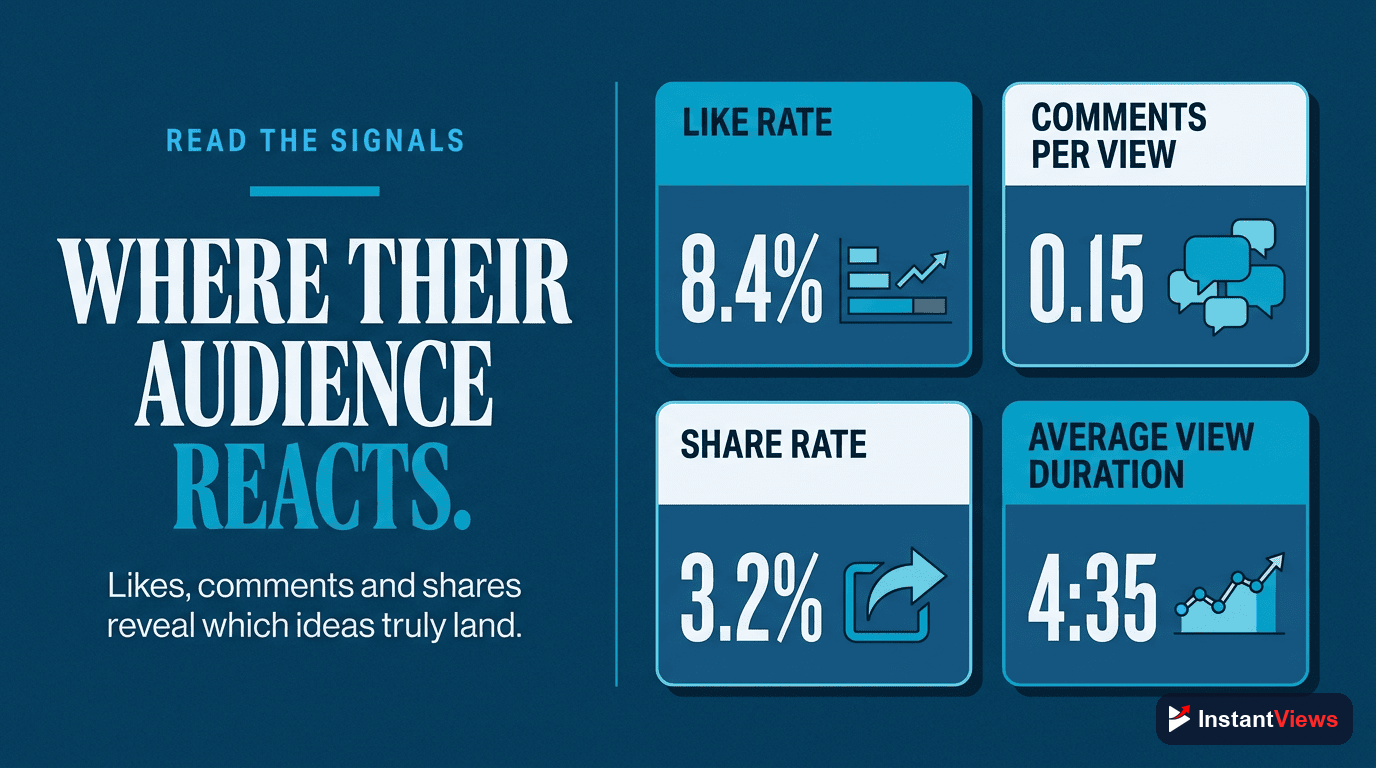
Comments, likes, and shares reveal what truly connects with the audience.
- Like-to-view ratio (>5% is excellent)
- Comment count and sentiment
- Most common questions in comments
- Timestamp mentions (what parts people reference)
- Creator's response rate to comments
Read the top 20 comments on successful videos. You'll discover:
- Which moments viewers loved most
- What confused them (gaps in your content opportunity)
- Related topics they want covered
- The emotional response the video created
Analyze SEO & Discoverability
Decode Their Discovery Strategy
How are they getting discovered? Study their SEO tactics and traffic sources.
- Primary keywords in title and description
- Use of hashtags and placement
- Description length and structure
- Chapter markers and timestamps
- Links in description (where do they drive traffic?)
- Video tags (visible with VidIQ or TubeBuddy)
Use browser extensions like VidIQ or TubeBuddy to see:
- Exact tags competitors use
- Search volume for their target keywords
- Video SEO score and optimization opportunities
- Best publishing times for your niche
Analyze Any YouTube Video
Get detailed analysis of competitor videos including hook scores, pacing insights, and optimization suggestions.
Try Video Analyzer →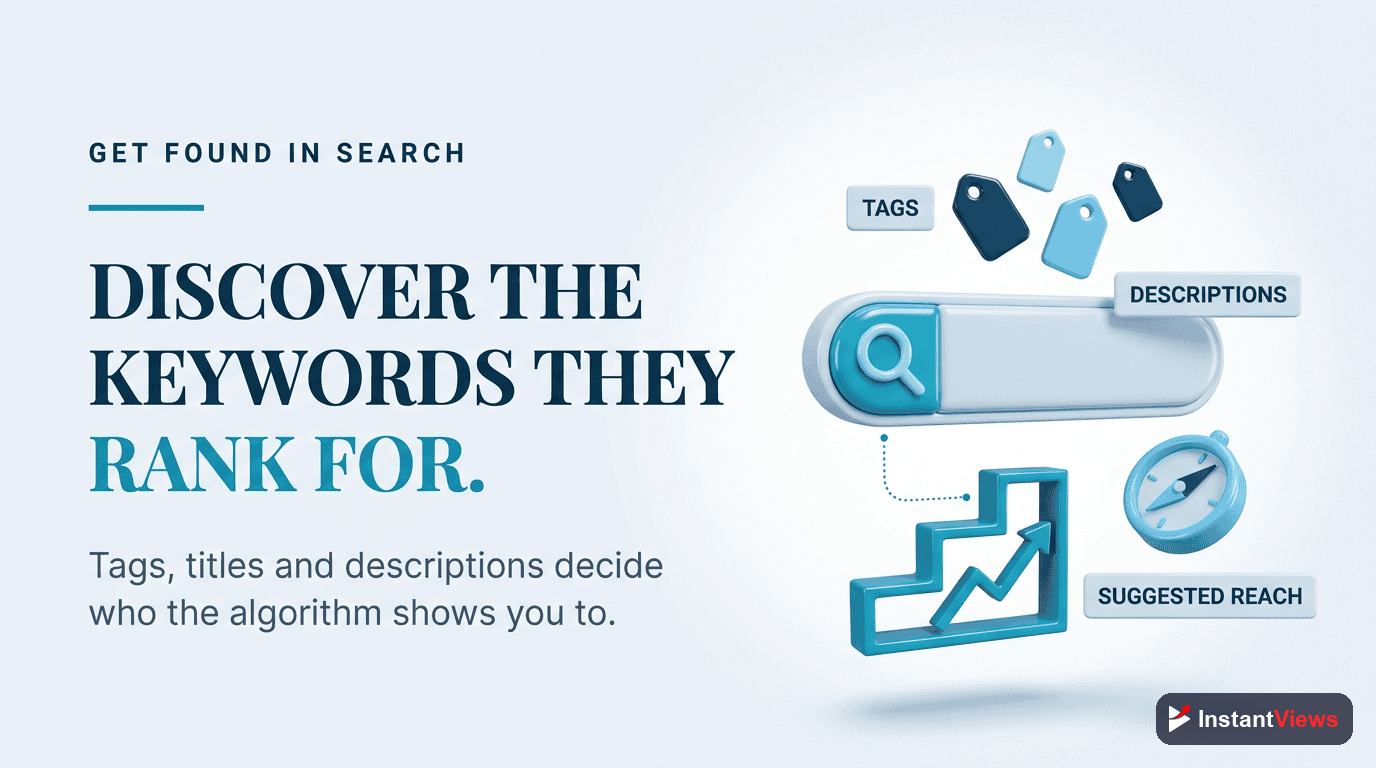
Best Tools for Competitor Analysis
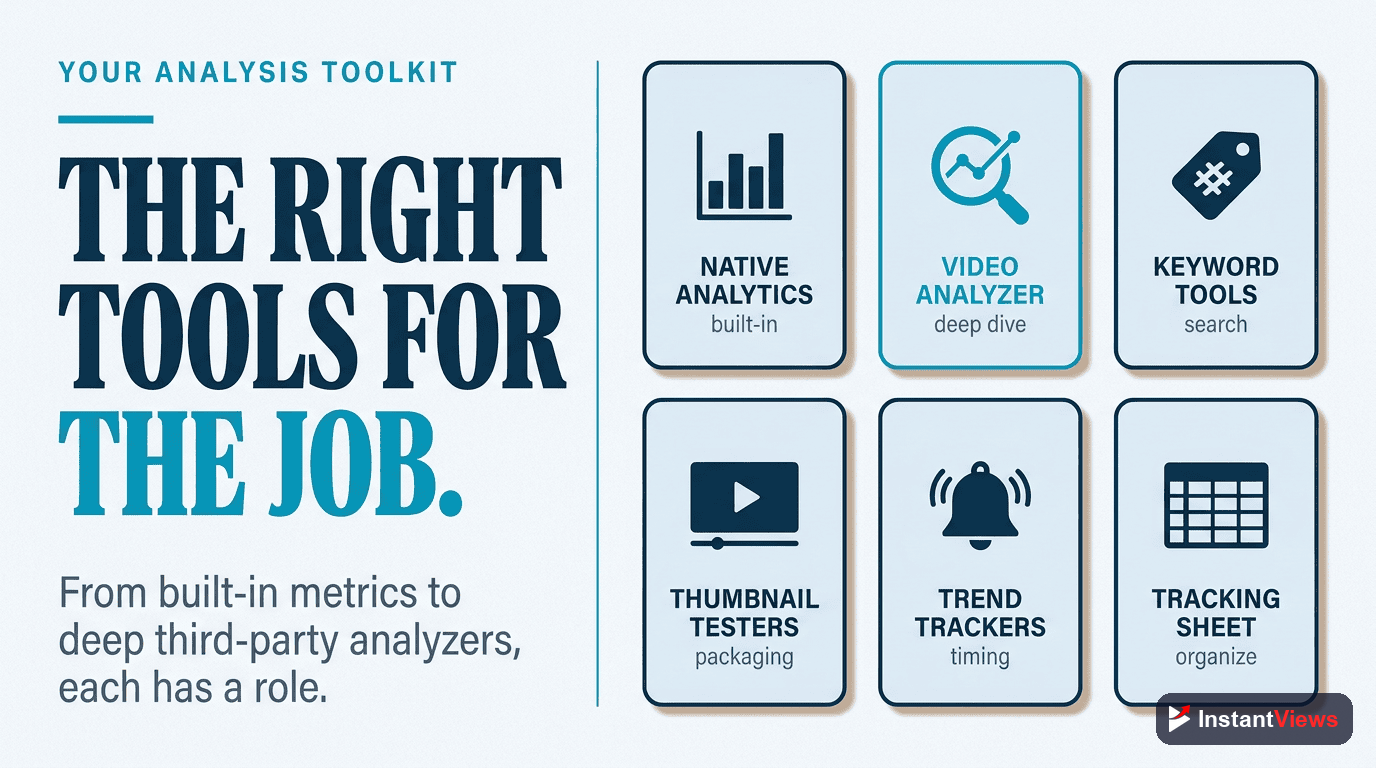
The right tools make competitor analysis 10x faster. Here are the essentials:
| Tool | What It Does | Best For |
|---|---|---|
| VidIQ | Shows tags, search volume, SEO scores | Keyword research & SEO analysis |
| TubeBuddy | Competitor tracking, A/B testing, analytics | Overall channel management |
| Social Blade | Growth stats, earnings estimates | Channel growth tracking |
| YouTube Studio Research Tab | Trending searches, content gaps | Finding untapped topics |
| InstantViews Video Analyzer | Hook scoring, pacing analysis, retention insights | Deep video performance analysis |
How to Apply Your Findings
Analysis without action is wasted effort. Here's how to turn insights into results:
- Create a pattern document: List the common elements across all successful videos you analyzed
- Identify your differentiation: What can you do differently or better than competitors?
- Test one element at a time: Change your hook style, then track results before changing thumbnails
- Build a swipe file: Screenshot thumbnails, save titles, bookmark videos for inspiration
- Apply the 80/20 rule: Focus on the top 20% of insights that will drive 80% of your growth
Don't try to implement everything at once. Pick 2-3 insights per video and test them systematically. Track what works and iterate.
Your Competitor Analysis Workflow
Here's a simple monthly routine:
- Week 1: Identify 5 top-performing videos in your niche from the past month
- Week 2: Deep-dive analyze packaging (titles, thumbnails) and first 30 seconds
- Week 3: Study content structure, engagement, and SEO tactics
- Week 4: Apply top 3 insights to your next video and document results
"Every video I make is influenced by studying what worked for others. But I always add my unique angle. That's the difference between learning and copying." - Paddy Galloway
Frequently Asked Questions
Analyze at least 10-20 of your top competitor's best-performing videos to identify patterns. Focus on videos that got significantly more views than their average. This sample size gives you enough data to spot trends without overwhelming yourself.
Good competitors are channels 1-2 levels ahead of you (10x-100x your size), cover similar topics, target the same audience, and have uploaded consistently in the past 6 months. Avoid analyzing channels that are too big or in completely different niches.
Never directly copy. Instead, identify what works (patterns, formats, hooks) and adapt them to your unique voice and angle. The goal is to learn principles, not clone content. Add your perspective and improve on what you find.
Do a deep competitor analysis monthly, and quick checks weekly. YouTube trends change fast, so regular monitoring keeps you updated on what's working. Track your top 5 competitors consistently.
Use VidIQ or TubeBuddy for channel stats, YouTube Studio's Research tab for trending topics, Social Blade for growth tracking, and the InstantViews Video Analyzer to score competitor videos and understand what makes them successful.
Absolutely. Competitor analysis is even more valuable for small channels because it shortcuts the learning curve. Instead of guessing what works, you study proven success and apply those lessons to your content strategy.