- A successful launch starts long before video one — with a focused niche, clear branding, and a proper channel setup
- Specialist channels gain traction faster than generalists because a narrow niche helps the algorithm find your audience
- Brand every touchpoint consistently: name, banner, profile picture, About section, trailer, and a thumbnail template
- Launch with a batch of three to five videos so new visitors have something to binge and your momentum is protected
- The platform rewards viewer satisfaction, not seniority, so a new channel with strong packaging and retention can win fast
Starting a YouTube channel in 2026 is one of the best decisions a creator or business can make — and also one of the easiest to fumble. With more than 2.7 billion monthly active users and over a billion hours of video watched every day, the audience is enormous. But most new channels stall not because the platform is too crowded, but because they launch with no strategy at all. They pick a name on a whim, upload a video, and wait for something to happen.
It rarely does. A channel that launches without a plan looks unfinished, confuses the algorithm about who to show it to, and gives visitors no reason to subscribe. The good news is that the opposite is also true: a channel that launches with a clear niche, consistent branding, and a deliberate first-video plan signals confidence and competence from the very first impression.
This is not a guide about getting your first views — that comes later. This is the complete launch playbook: how to choose your niche, set up and brand your channel properly, record a trailer, plan and package your first batch of videos, and build momentum across your critical first 30 to 90 days.
Get the launch right and everything that follows is easier. Get it wrong and you spend months fighting a foundation you have to rebuild. Let us build it correctly the first time.
- Why a Launch Strategy Matters in 2026
- Step One: Choose a Focused Niche
- Step Two: Set Up and Brand Your Channel
- Step Three: Record a Channel Trailer
- Step Four: Plan Your First Batch of Videos
- Step Five: Package for the Click
- The Launch Sequence, Step by Step
- The First 30 to 90 Days
- Launch Mistakes to Avoid
- FAQ
Why a Launch Strategy Matters in 2026
A decade ago you could launch a channel about anything, post inconsistently, and still stumble into an audience. That era is over. Competition is higher, viewer expectations are higher, and YouTube has gotten far better at deciding which channels to promote. In 2026 the algorithm optimizes for viewer satisfaction and retention — it watches whether people click, stay, and come back — rather than rewarding channels for simply existing or being old.
That shift is actually great news for new creators. The platform does not reward seniority; it rewards content people enjoy. A first-week video from an unknown channel can be served to thousands of strangers if it keeps them watching. But there is a catch: YouTube can only promote a channel it understands. A scattered channel with no clear topic, no branding, and no consistent format gives the algorithm nothing to work with.
A launch strategy solves this by making your channel legible — to the algorithm and to humans — from day one. Before you publish anything, you want three things locked in:
- A clear niche so YouTube knows exactly who your videos are for
- Consistent branding so a stranger instantly recognizes and trusts your channel
- A batch of videos so a new visitor has a reason to subscribe right now
The rest of this guide walks through each of these in the order you should tackle them.
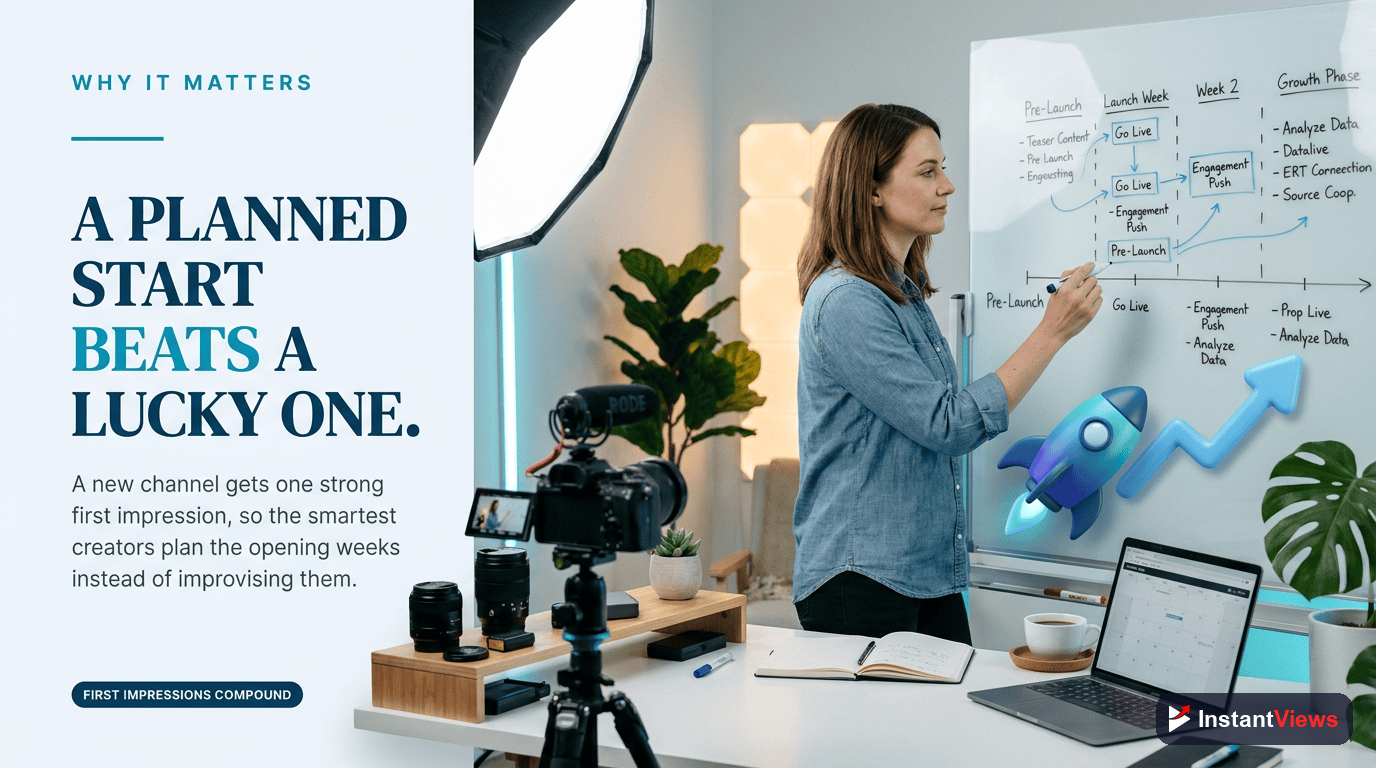
Step One: Choose a Focused Niche
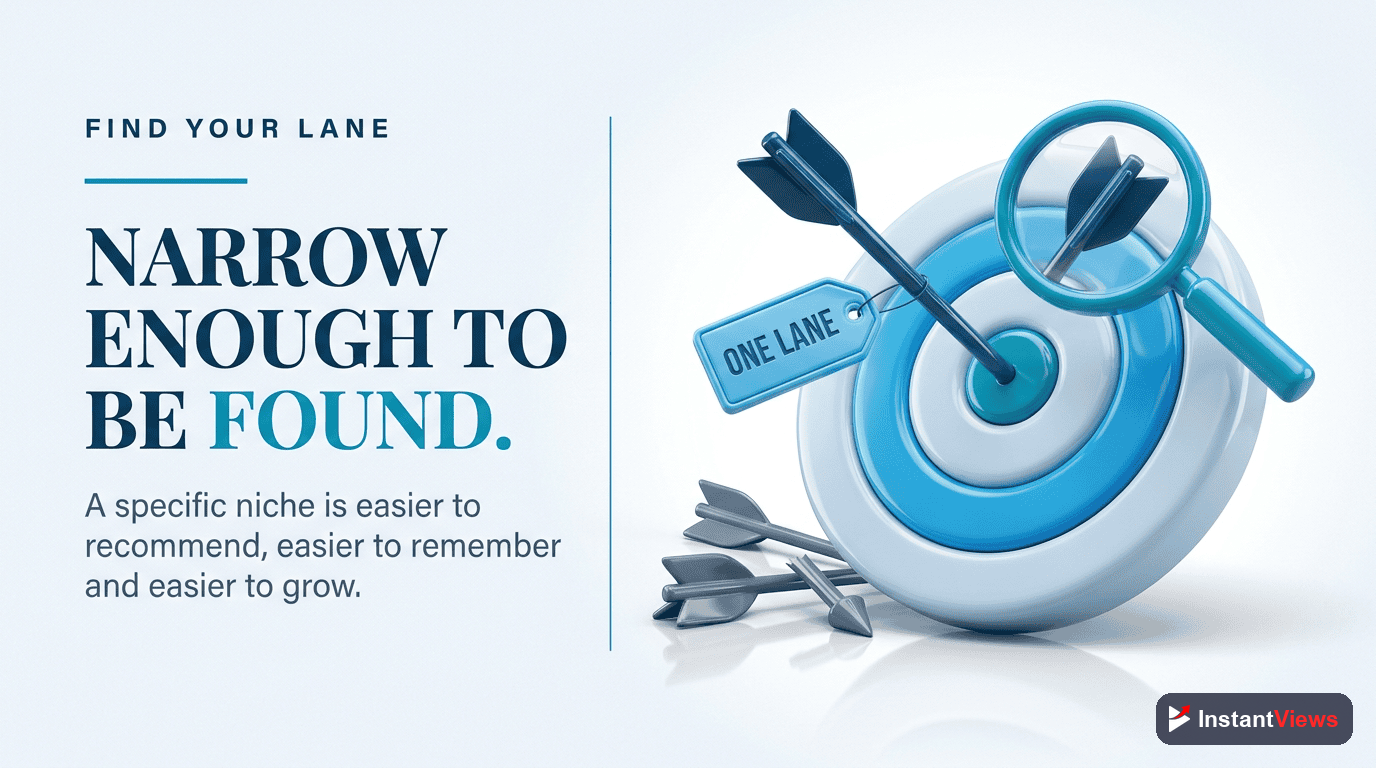
Your niche is the single most important launch decision, because everything else — your name, your branding, your video ideas — flows from it. In 2026, generalist channels struggle while specialists thrive. To gain traction, you go narrow before you go wide. A focused niche lets the algorithm categorize your content and serve it to the exact audience looking for it, and it makes you the obvious choice for a specific viewer rather than a forgettable option for everyone.
The Niche Sweet Spot
A strong niche sits at the intersection of three things:
- Your genuine interest or expertise — something you could talk about for thirty minutes without a script, because you will be making dozens of videos about it
- Real audience demand — a topic people are actively searching for and watching, not one you merely wish were popular
- Long-term potential — a lane that can eventually support a goal, whether that is a product, a service, sponsorships, or a community
When all three overlap, you have a niche you can sustain, an audience that wants it, and a reason for the channel to exist beyond views. If you are torn between several ideas, pick the narrowest one you can commit to. You can always broaden later once you have an audience — widening is easy, but recovering from a confused start is hard.
Step Two: Set Up and Brand Your Channel
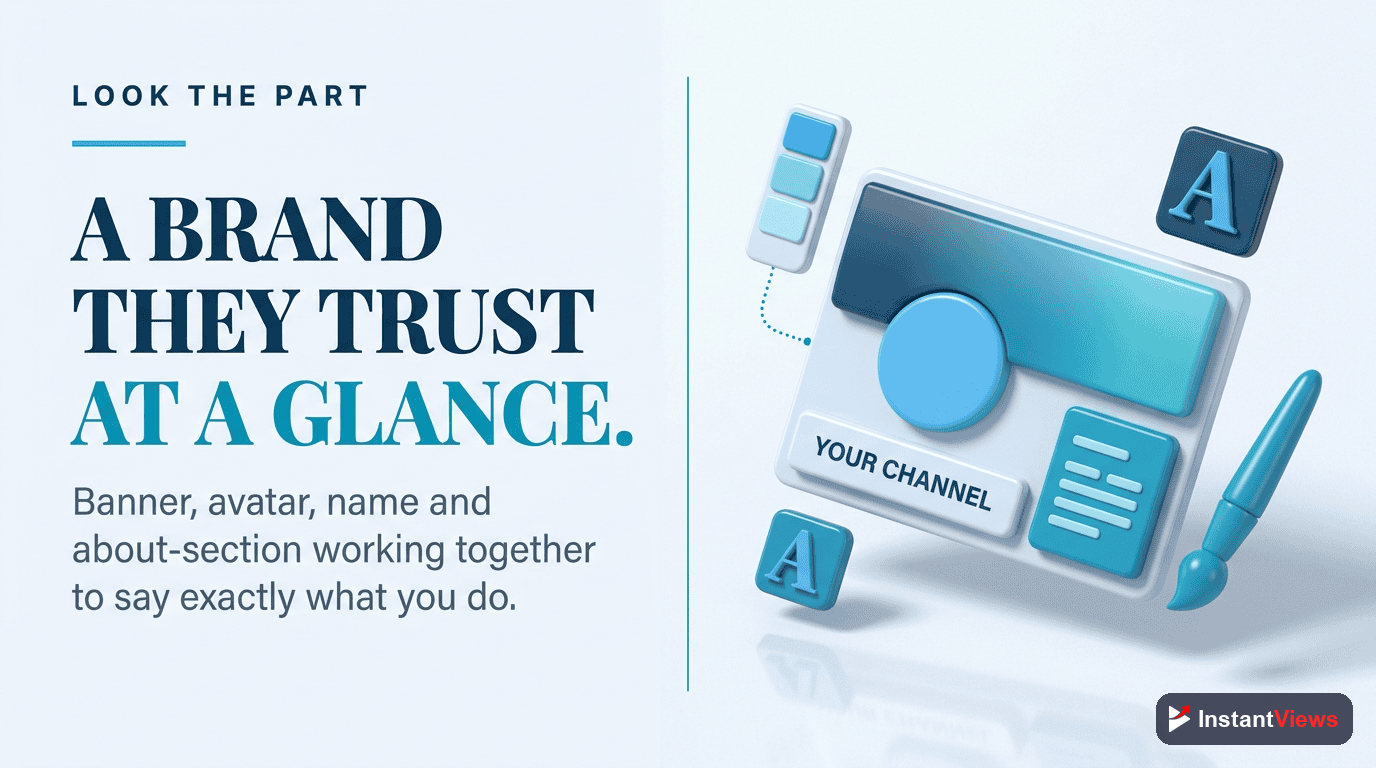
Once your niche is set, build a channel that looks like it belongs in that niche. Branding is not decoration — it is the first impression that decides whether a new visitor trusts you enough to watch and subscribe. Every element should be consistent so that a viewer recognizes your work before they even read the title.
Pick a Channel Name
Keep your channel name short, memorable, and relevant to your niche. It should be easy to say, easy to spell, and hard to confuse with someone else. Avoid numbers and odd punctuation that make it hard to find or recommend by word of mouth.
Design Your Visual Identity
Decide on a color palette, a font, and a logo style early, then use them everywhere — banner, profile picture, thumbnails, and intros. Your profile picture and banner are the first things visitors see, so make them count. A good banner states what your channel is about and, ideally, your upload schedule, such as "New tech videos every Sunday." Consistency here is what turns scattered uploads into a recognizable brand.
Write a Keyword-Rich About Section
Your About section does double duty: it tells humans what to expect and helps YouTube understand your channel. State clearly what your channel covers in the first two sentences, since these appear as a preview in search results. Include the primary keywords your target audience searches for, describe how often you publish, and add a business email for future sponsorship opportunities.
Add Channel Keywords
In your channel settings under Basic Info, add five to ten descriptive channel keywords. This small, often-skipped step gives the algorithm extra context about your topic and audience. It takes two minutes and is genuinely worth doing before you publish.
Do not launch with a half-finished channel. An empty banner, a blank About section, and a default profile picture tell visitors the channel is abandoned before it has begun. Complete your branding fully before you publish video one — first impressions on YouTube are made in seconds and rarely revisited.
Step Three: Record a Channel Trailer
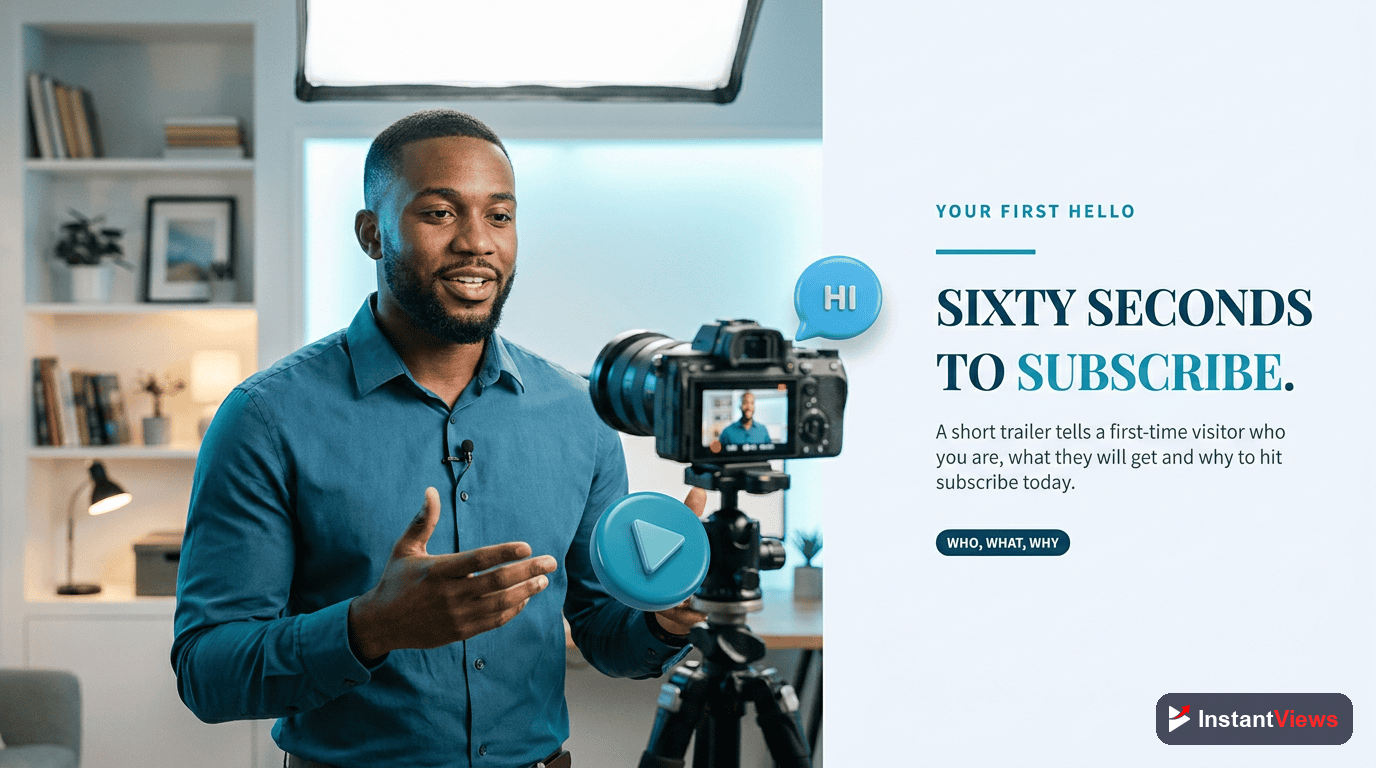
A channel trailer is a short video, ideally 30 to 60 seconds, that auto-plays for visitors who have not yet subscribed. It is your elevator pitch: it tells a stranger who you are, what your channel covers, and why they should subscribe. New creators often skip the trailer, which is a missed opportunity, because it converts curious first-time visitors into subscribers at exactly the moment they are deciding whether to stay.
Keep it tight and specific. A strong trailer follows a simple shape:
- Hook — open with the single most compelling reason to watch, in the first few seconds
- Promise — state clearly what kind of videos you make and who they are for
- Proof — show a quick taste of your best content or your personality
- Call to action — ask directly for the subscribe and tell them what they will get
You can update the trailer as your channel grows, so do not wait for perfection. A simple, clear trailer recorded on day one beats an elaborate one you never finish.
Step Four: Plan Your First Batch of Videos
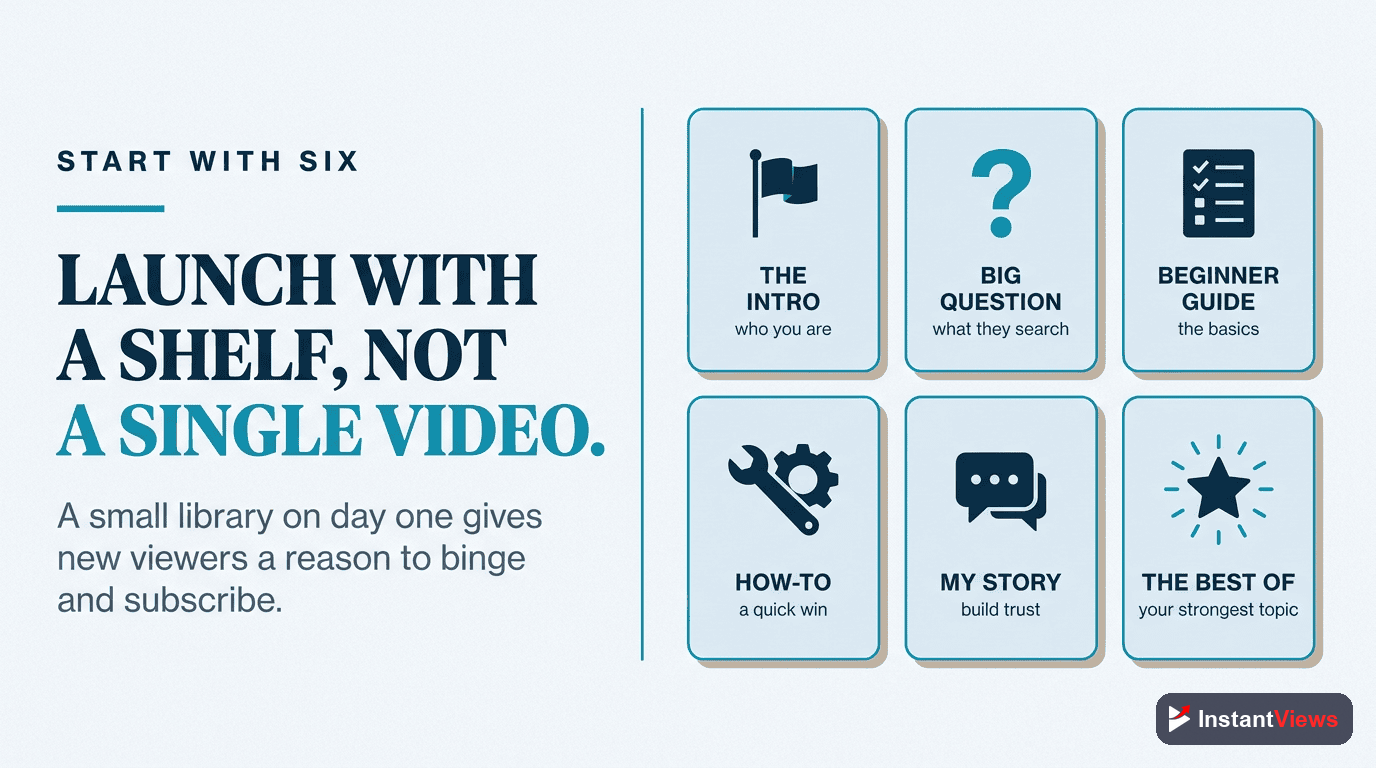
Here is where many new creators go wrong: they upload one video and wait. Instead, launch with a batch. Publishing three to five videos around your launch — with several more planned — does three things at once. It gives a new visitor something to binge, which builds watch time and trust. It signals clearly to the algorithm what your channel is about. And it protects your momentum, so you are not scrambling for the next upload while you are still learning the ropes.
Start With Focus
Starting with focus makes it easier for both YouTube and viewers to understand what you are about. Resist the urge to make wildly different videos in your first batch to "see what sticks." Instead, make several videos that clearly belong together, so your channel reads as a coherent destination rather than a grab bag.
Mix Formats Strategically
Use a deliberate mix of video types in your launch batch and beyond:
- Searchable long-form videos — "how to," "best," and "why" topics that answer questions people are already typing into search, giving your videos a long discovery tail
- YouTube Shorts — with over 200 billion views a day, Shorts are one of the fastest ways for a new channel to get discovered. Use them to introduce your voice and perspective in under a minute and pull viewers toward your longer videos
- A signature format — one repeatable type of video that becomes your calling card and trains the audience to know what to expect from you
The best Shorts do one thing well: they make the viewer want more. Treat them as the top of your channel, where strangers first meet you, and let your long-form videos do the deeper work of earning subscribers.
Step Five: Package for the Click
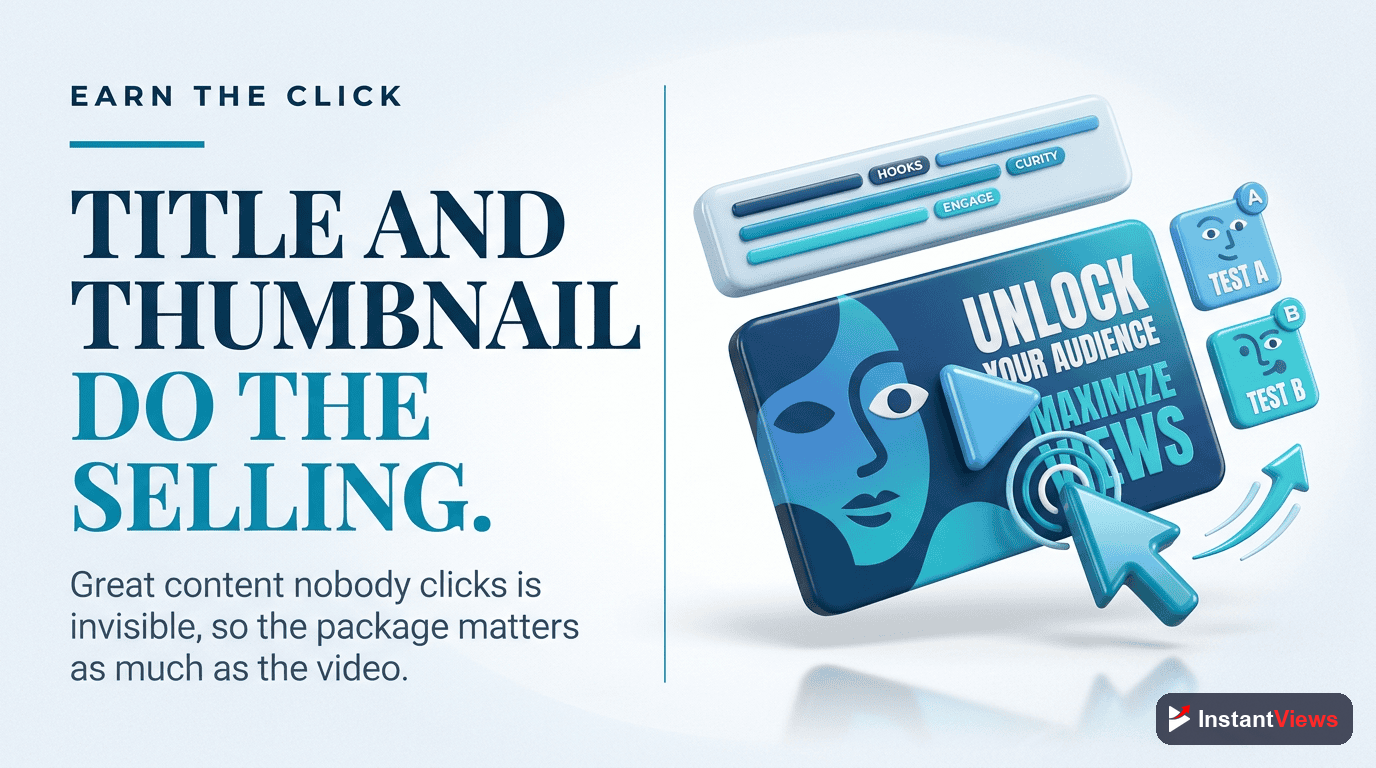
The best video in your niche still fails if nobody clicks it. Packaging — your title and thumbnail working as a single unit — is what turns reach into views. Discovery starts with the click, and a strong package is the difference between a video that gets shown once and one the algorithm keeps promoting.
Thumbnails
Your thumbnail should create curiosity at a glance. The fundamentals are consistent: bright colors, minimal text (under five words), and expressive faces where they fit. Most importantly, thumbnails that read clearly at small sizes in a crowded feed beat ones that only look impressive at full screen. Decide on a thumbnail template — a consistent background treatment and font — before your first upload. Setting this template before video one means you build brand recognition from your very first video.
Titles
Pair the thumbnail with a clear, specific title that sparks curiosity without overpromising. The title and thumbnail should not repeat the same information; they should work together, each adding a piece of the story. Then make sure the first 30 seconds of the video deliver on the promise — because in 2026, retention is what decides whether the algorithm keeps showing your video, and a clickbait package that disappoints kills your reach fast.
The Launch Sequence, Step by Step
Here is the full launch in order. Work through these steps before and during your launch week so nothing important gets skipped:
Lock In Your Niche and Goal
Define the specific viewer you serve and the long-term goal of the channel. Write your one-sentence niche statement and keep it where you will see it — it guides every later decision.
Build the Brand and Set Up the Channel
Choose your name, design your banner and profile picture, write a keyword-rich About section, add channel keywords, and lock a thumbnail template. Complete everything before publishing.
Record Your Trailer and First Batch
Film a 30 to 60 second trailer plus three to five launch videos in your signature format, with several more planned so your momentum is never at risk.
Publish and Set Your Schedule
Release your batch, set the trailer for non-subscribers, and commit to a consistent upload time you can sustain. State that schedule on your banner so viewers know when to return.
Review, Learn, and Repeat the Winners
Watch your retention graphs and analytics weekly. Around week four, identify your top three videos and apply their winning formats to everything you make next.
Launch With the Right Tools
Explore our free suite of YouTube tools to research niche topics, craft titles that get clicks, and check your packaging before you publish your first video.
Explore Free YouTube Tools →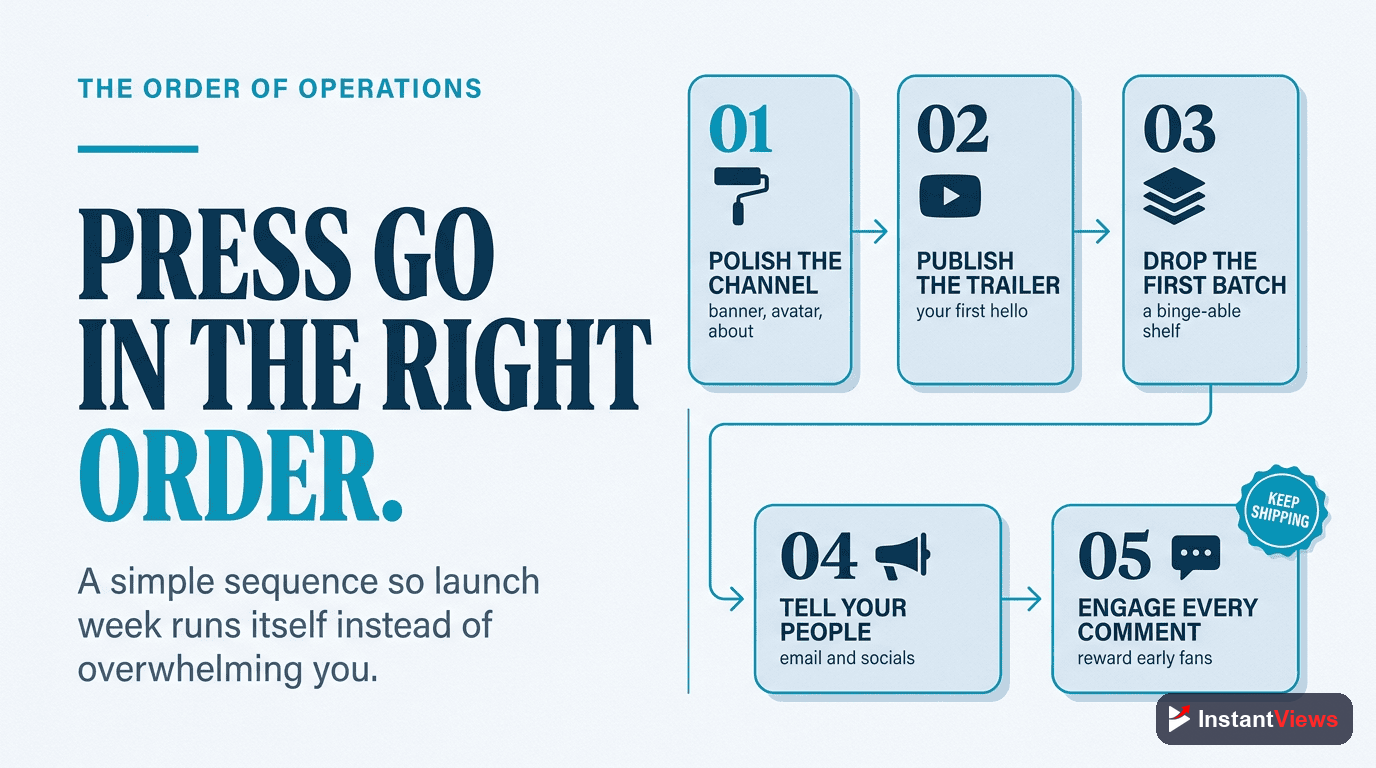
The First 30 to 90 Days
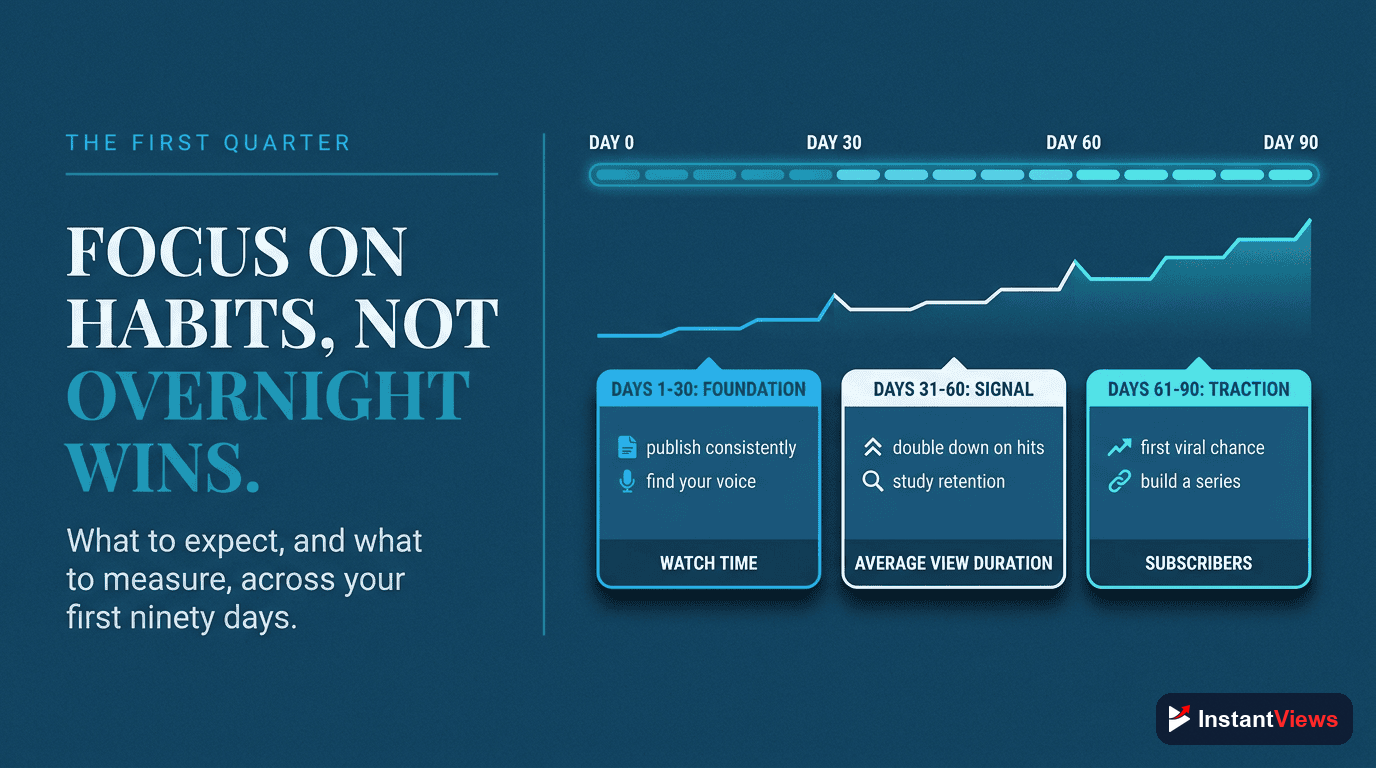
Launching is not a single moment; it is a phase. Your first 90 days are when you turn a freshly set-up channel into one with momentum. The mistake here is chasing subscriber counts and watching the numbers obsessively. Instead, set process goals you control — how many videos you ship, whether you publish on schedule, and what you learn from your analytics — and let the audience follow.
It helps to think of the launch as distinct phases, each with its own focus and goal. Use the table below as a map for your first three months.
| Launch Phase | Focus | Goal |
|---|---|---|
| Pre-launch (before video one) | Niche, branding, channel setup, batch filming | A complete, recognizable channel and three to five videos ready to publish |
| Launch week (days 1–7) | Publish the batch and trailer, set the schedule | Give visitors something to binge and a clear reason to subscribe |
| Days 8–30 | Consistency and habit-building | Hit every scheduled upload and start reading retention data |
| Days 31–60 | Double down on what works | Identify top performers and repeat their formats and topics |
| Days 61–90 | Refine packaging and build momentum | Sharper titles and thumbnails, growing returning-viewer base |
Schedule consistent publish times on the same weekdays to help viewers form a habit around your channel. Posting weekly is enough to build an audience and establish a routine you can keep. The single biggest factor in these 90 days is not talent or luck — it is showing up on schedule while you learn what your specific audience responds to.
Launch Mistakes to Avoid
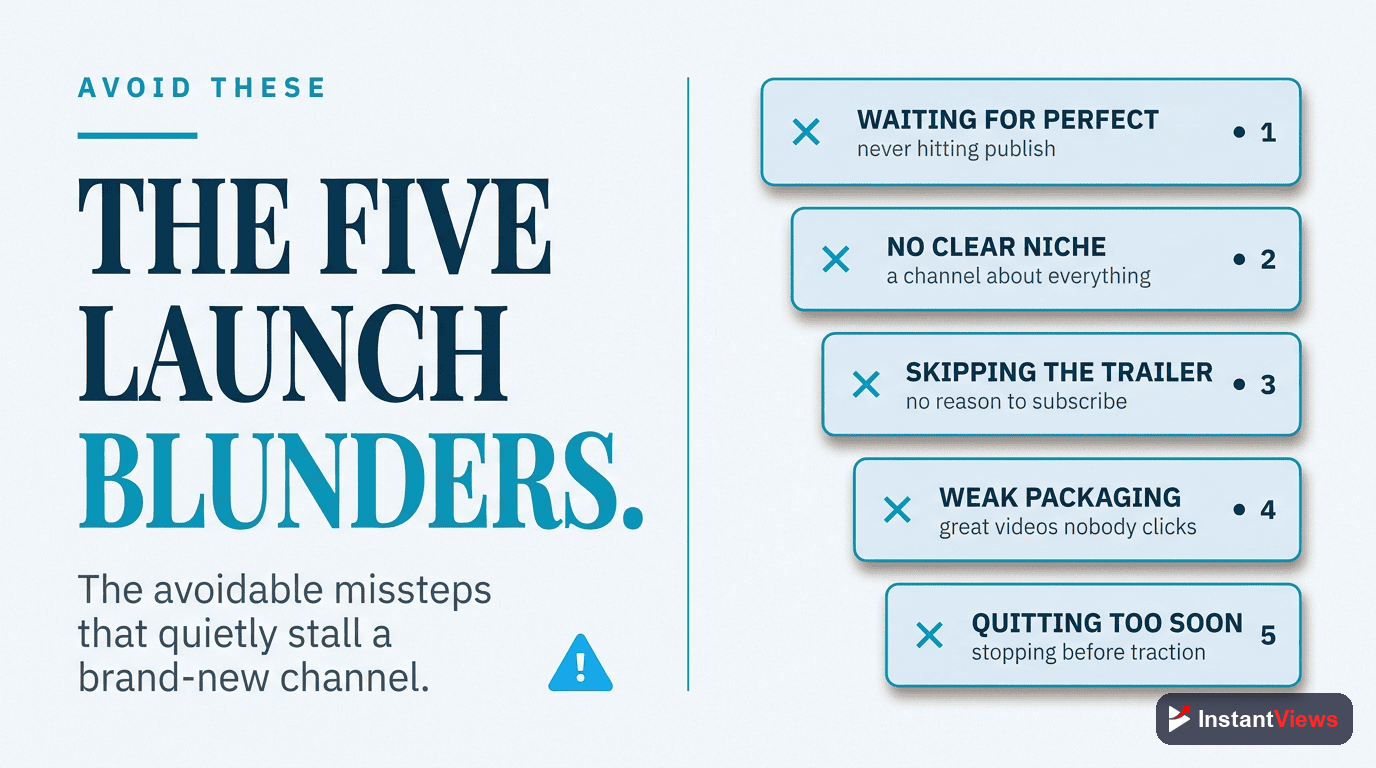
Most failed launches share the same handful of errors. Avoid these and you are already ahead of the majority of new channels:
- Launching with no niche: A channel about "everything" is a channel the algorithm cannot place and viewers cannot remember.
- Incomplete branding: A default avatar, empty banner, or blank About section makes a brand-new channel look abandoned.
- Publishing a single video and waiting: One video gives visitors nothing to binge and no reason to subscribe. Launch with a batch.
- Skipping the trailer: You lose the easiest subscribe of all — the visitor who is already curious enough to be on your channel.
- Weak packaging: Great videos with vague titles and dull thumbnails never get the click that starts the snowball.
- Inconsistent uploads: A burst of videos followed by silence kills the momentum and the habit you are trying to build.
- Chasing vanity metrics: Obsessing over subscriber counts in week one pulls focus from the process goals that actually grow a channel.
"You do not need to be early to YouTube anymore — you need to be clear. The creators who break through in 2026 are the ones who launch with a focused niche, a finished brand, and a real reason for someone to hit subscribe."
Frequently Asked Questions
Look for the overlap between what you genuinely enjoy or know well, what an audience is actively searching for, and a topic that can eventually support a goal such as a product, service, or community. In 2026, specialist channels gain traction faster than generalist ones because a focused niche helps the algorithm understand who to show your videos to.
Decide on a short, memorable channel name, design a banner and profile picture with a consistent color palette and font, write a keyword-rich About section that states what your channel covers in the first two sentences, add 5 to 10 channel keywords in your settings, and record a short channel trailer. Setting a thumbnail template before video one means you build brand recognition from your very first upload.
Aim to publish a small batch of three to five videos around launch and to have several more planned. A batch gives new visitors something to binge, signals to the algorithm what your channel is about, and protects your momentum so you are not scrambling for the next upload while you learn.
Choose a schedule you can sustain, then keep it. Consistency matters far more than volume for a new channel, so a steady weekly upload at the same time beats an unpredictable burst followed by silence. State your schedule on your banner so viewers know when to expect you.
Yes. The platform does not reward seniority; it rewards viewer satisfaction. If people click, watch, and engage with your video, YouTube keeps showing it regardless of how new your channel is. A clear niche, strong packaging, and good retention can put a first-week video in front of thousands of new viewers.
Set process goals you control rather than vanity numbers: publish on schedule, ship a set number of videos, study your retention graphs, and identify your top performers so you can repeat what works. Around week four, find your three best videos and apply their winning formats to upcoming uploads.
Shorts are one of the fastest ways for a new channel to get discovered in 2026, with more than 200 billion views a day across the platform. Use Shorts to introduce your voice and perspective in under a minute and to pull new viewers toward your longer videos, where you build the deeper trust that grows a channel.
Treat the title and thumbnail as a single unit built to spark curiosity. Keep thumbnails bright, with under five words of text, expressive faces where relevant, and a consistent template so they read clearly at small sizes in the feed. Pair them with a clear, specific title and let the first 30 seconds of the video deliver on the promise.
Conclusion
A great YouTube channel is not born from a single lucky upload — it is launched on a foundation. When you choose a focused niche, brand every touchpoint consistently, record a trailer, and publish a batch of videos that clearly belong together, you give both the algorithm and your audience exactly what they need to say yes.
The platform has never been more welcoming to new creators who do this well. Because YouTube rewards viewer satisfaction over seniority, a brand-new channel with a clear identity and strong packaging can reach thousands of strangers in its first week. The barrier is not your start date; it is whether your channel is clear, complete, and consistent.
So do the unglamorous work before you hit publish: lock your niche, finish your branding, film your batch, and commit to a schedule you can keep. Then spend your first 90 days showing up and learning from your analytics. Launch with this playbook and your channel stops being a hopeful experiment and becomes a real destination from day one.