- People share content for psychological reasons — emotion, status, identity, usefulness, and connection — not because you asked them to
- High-arousal emotions like awe, surprise, joy, and anger drive far more shares than calm, low-arousal feelings
- Social currency is powerful: viewers share things that make them look smart, helpful, or in-the-know
- Design the sharing trigger into the idea before you film, then make the share effortless
- A direct, well-timed invitation to share works only when the content already gives a real reason to pass it on
Every day on YouTube, billions of hours of video are watched and a tiny fraction of them are shared. A share is the rarest and most valuable thing a viewer can give you, because it is a personal recommendation. When someone sends your video to a friend, posts it in a group chat, or drops it into their story, they are spending a little of their own reputation to vouch for you. No ad can buy that, and no algorithm can manufacture it.
The mistake most creators make is treating shareability as a format problem — the right length, the right trend, the right hook formula. But sharing is not a format. It is a decision a human makes, and that decision is driven by predictable psychology. Understand why people hit share, and you can build those reasons into your content on purpose instead of hoping for them.
This guide is about that psychology. We will look at the emotional and social drivers behind sharing — drawn from decades of research into word of mouth, including Jonah Berger's widely cited STEPPS framework — and then translate each one into concrete moves you can make in your next YouTube video.
By the end you will be able to look at any idea and ask the question that actually predicts spread: not "is this good?" but "why would someone share this, and who would they share it with?"
- Why Shares Matter More Than Views
- The Core Psychological Triggers of Sharing
- High-Arousal Emotion: The Engine of Sharing
- Social Currency: Sharing to Look Good
- Identity and Connection: Sharing to Say "This Is Me"
- Practical Value: Sharing to Help
- Building a Strong Emotional Hook
- Making Content Easy to Share
- A Worked Example: Engineering a Share
- Mistakes That Kill Shares
- FAQ
Why Shares Matter More Than Views
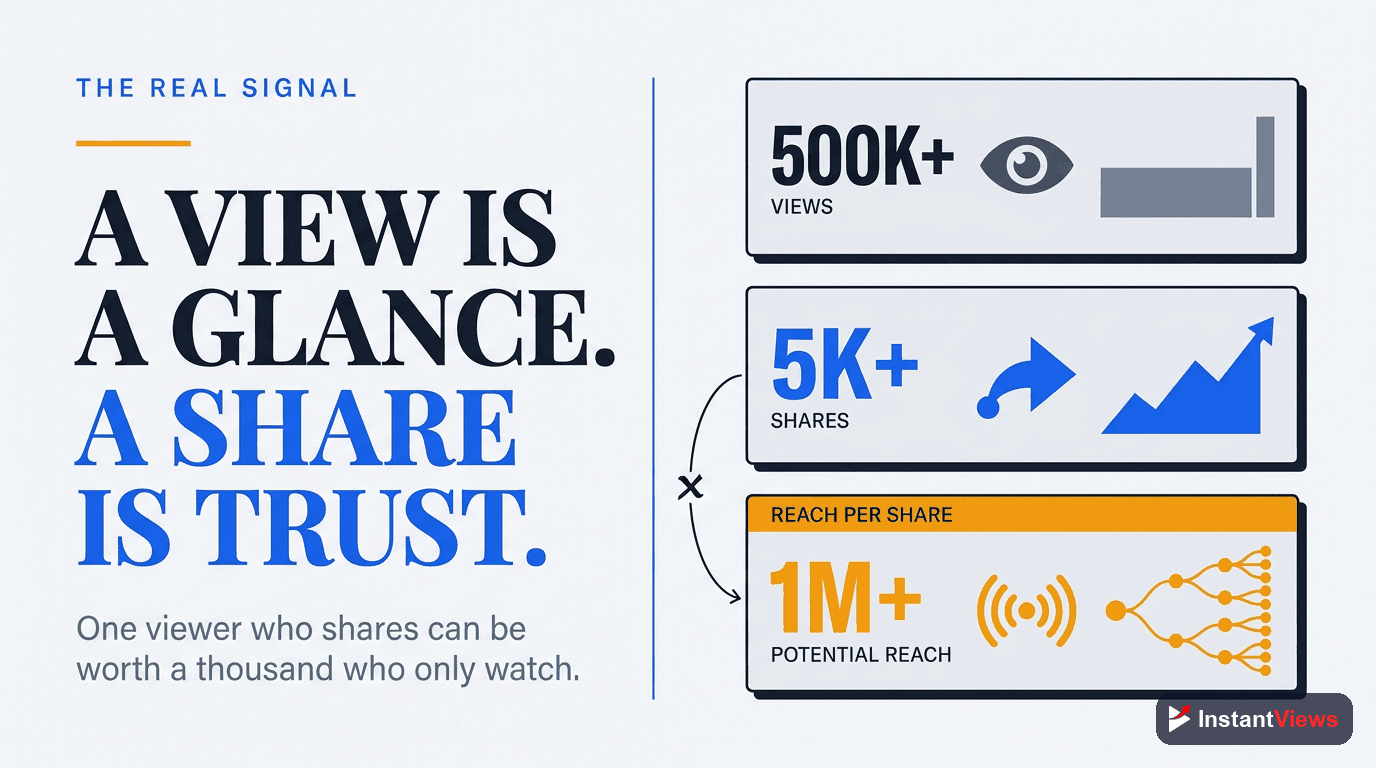
YouTube reaches more than 2.7 billion monthly active users and serves over a billion hours of video every day, but reach is not the same as resonance. Views can be bought, suggested, or stumbled into. A share has to be earned, because it costs the viewer something: a moment of effort and a sliver of their own credibility.
That cost is exactly what makes shares so valuable for growth. The 2026 algorithm rewards genuine viewer satisfaction and retention, and a share is one of the loudest satisfaction signals a person can send. More importantly, a share carries your video into a pocket of the internet the algorithm could never reach on its own — a private group chat, a niche community, a friend who trusts the sender far more than they trust YouTube's recommendations.
Think of the difference this way:
- A view says "the algorithm guessed this person might watch."
- A share says "a real human staked their reputation on this being worth your time."
That trusted recommendation converts attention at a rate no cold impression can match. It is also self-compounding: each share exposes new people who may share again. Chasing views gives you a spike; engineering shares gives you a chain reaction. As YouTube reduces the spread of low-value, mass-produced content, the work that earns deliberate human shares is exactly the work the platform increasingly rewards.
The Core Psychological Triggers of Sharing
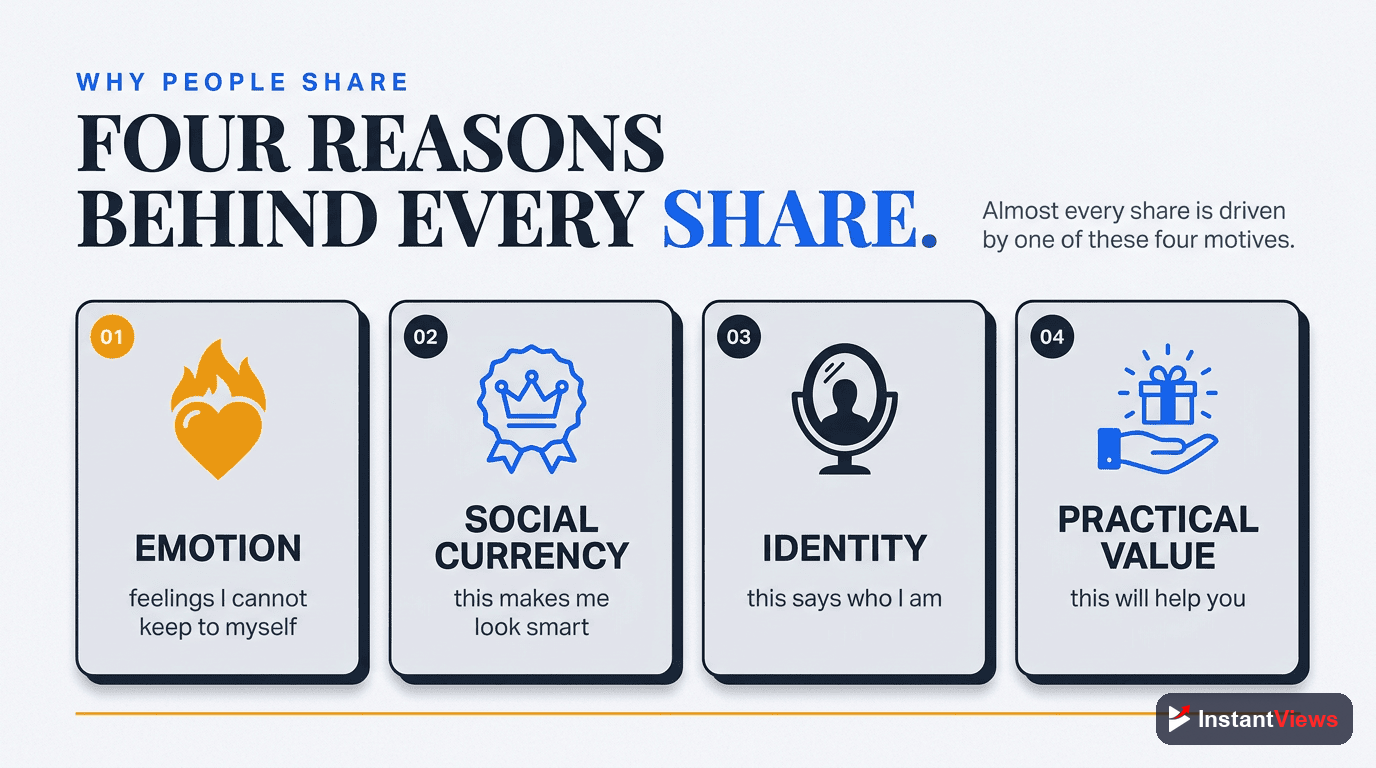
Researchers who study word of mouth keep arriving at the same short list of motives. People do not share at random; they share when content does a job for them. The table below maps the core triggers to why each one works and how to use it on YouTube.
| Sharing Trigger | Why It Works | How to Use It on YouTube |
|---|---|---|
| Emotional arousal | Strong feelings activate the body and create an urge to act and to share the feeling with others | Open with awe, surprise, or curiosity; build to an emotional peak before any call to share |
| Social currency | People share what makes them look smart, helpful, or in-the-know | Give viewers an insider fact or fresh angle they can repeat to look impressive |
| Identity expression | Sharing is a way of signalling who we are and what we value | Take a clear stance or celebrate a tribe so sharing becomes a badge for the viewer |
| Practical value | People share useful information to help the people they care about | Package one genuinely useful, immediately usable tip per video |
| Connection & stories | Relatable stories help people bond and are easy to retell | Wrap your message in a personal, relatable narrative with tension and payoff |
Notice that none of these motives is about you. Every one of them answers the viewer's silent question: what does sharing this do for me? The strongest content stacks two or three triggers at once — a surprising story (emotion + connection) that also makes the sharer look clued-in (social currency). The rest of this guide breaks each trigger down so you can build them in on purpose.
High-Arousal Emotion: The Engine of Sharing
If you remember only one principle from this article, make it this one: high-arousal emotions drive sharing; low-arousal emotions do not. Arousal here is not about positivity — it is about activation. Awe, excitement, amusement, surprise, and even anger are high-arousal states that physically energize a person and create a pull to do something with that energy. Sharing is one of the easiest things to do with it.
Contentment, satisfaction, and mild sadness are the opposite. They are perfectly pleasant feelings, but they leave a viewer calm and settled rather than activated. A video that makes someone feel quietly content is enjoyable and instantly forgettable. A video that makes them gasp, laugh out loud, or feel a jolt of righteous outrage gets sent to three friends before it even ends.
Emotions That Reliably Drive Shares
- Awe: the feeling of encountering something vast or astonishing — a stunning visual, a mind-bending fact, a jaw-dropping transformation.
- Joy and amusement: genuine laughter and delight that people want to spread.
- Surprise: the violation of an expectation, which is why "I did not see that coming" moments travel so far.
- Anger and indignation: high-arousal and powerful, but use with care — it spreads fast and can curdle into controversy.
The practical takeaway is to design for activation, not just approval. Before you publish, ask honestly: what is the single strongest feeling this video will produce, and is it a high-arousal one? If the most accurate answer is "it is nice" or "it is informative," you have a retention asset, not a sharing asset, and you may need to find the moment that makes people feel.

Social Currency: Sharing to Look Good
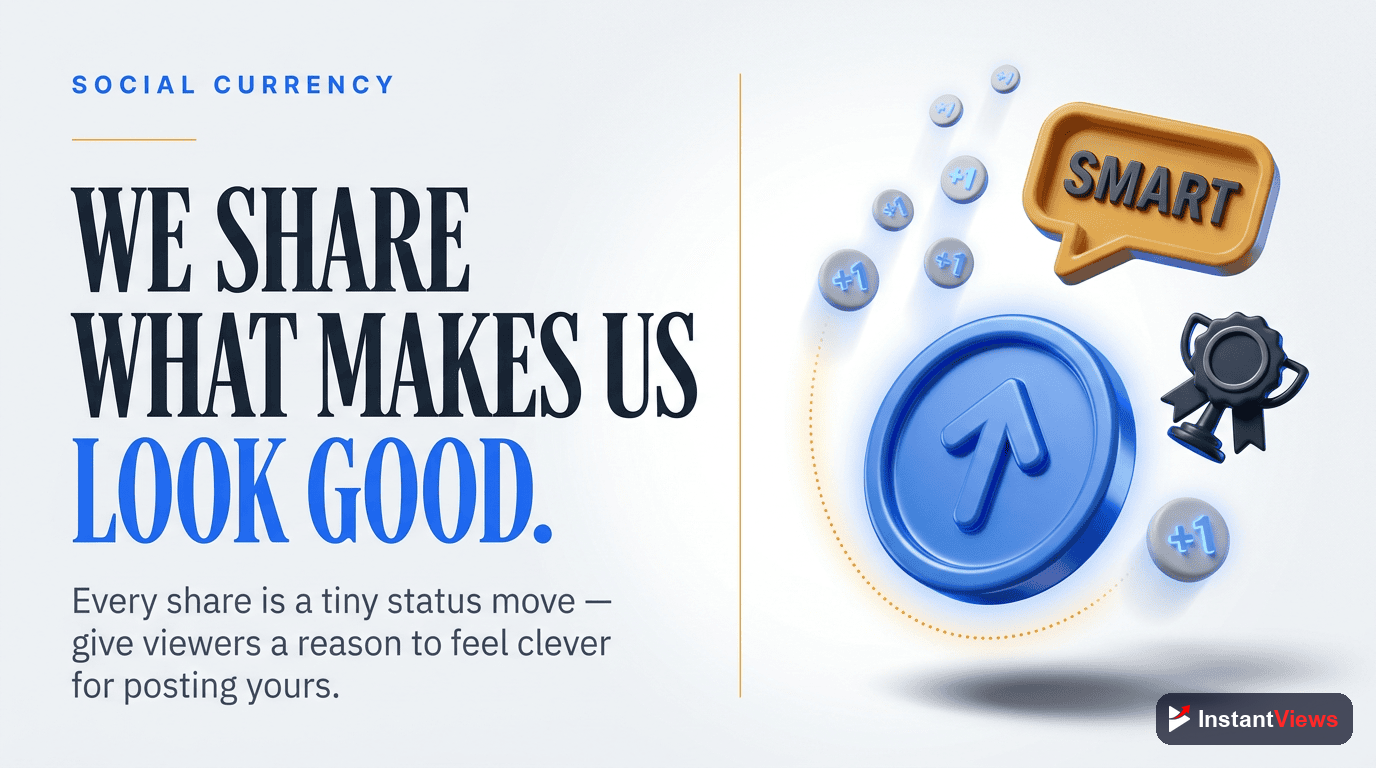
Just as people spend money to buy goods, they spend shares to buy reputation. This is social currency: the principle that everything we pass along shapes how others see us, so we share things that make us look good. Nobody forwards a video that makes them seem gullible, out of touch, or boring. They forward the ones that make them look smart, generous, funny, or ahead of the curve.
This is why "did you know" facts, insider knowledge, and clever explanations spread so well. When a viewer shares your surprising fact, they get to be the person who taught their friends something. You did the work; they get the credit — and that trade is exactly why they share.
Ways to Build Social Currency Into a Video
- Reveal insider knowledge: give viewers a fact, tactic, or angle that most people in their circle do not know yet.
- Make them early: being first to share a trend or a new idea is high-status, so package fresh, timely takes.
- Offer a remarkable detail: one genuinely surprising number, comparison, or claim gives the sharer something to lead with.
- Make the sharer look generous: useful, helpful content lets people share to be seen as the helpful friend.
The test is simple. Imagine the viewer pasting your video into a group chat. What sentence do they type above it? If the honest answer is "you have to see this" or "this makes me look like I know things," you have built social currency. If there is no such sentence, the share will not happen, no matter how good the video is.
Identity and Connection: Sharing to Say "This Is Me"
People also share to express who they are. A share is a tiny act of self-definition: posting a video says "I find this funny," "I care about this cause," or "I belong to this group." Content that gives viewers a clear way to signal their identity earns shares because passing it on is a way of telling their own audience something true about themselves.
Closely related is the drive for connection. We share to bond — to start a conversation, to say "this reminded me of you," to feel less alone in an experience. Relatable content thrives here. When a viewer thinks "this is so me" or "this is exactly my friend," sharing becomes a way of reaching out and relating.
Designing for Identity and Connection
- Take a clear stance: a defined point of view gives viewers something to align with and share as a flag.
- Celebrate a tribe: content that affirms "people like us do things like this" turns sharing into belonging.
- Be relatable, not perfect: honest, specific, slightly imperfect moments are far more shareable than polished perfection.
- Name the "send this to" person: if a viewer instantly pictures who needs to see it, the share is half done.
Identity and outrage can both spread content fast, but they cut both ways. Manufactured controversy or divisive bait may earn a burst of shares while eroding the long-term trust that keeps an audience. Build identity and emotion around things you genuinely stand for, not cheap provocation you will have to walk back.

Practical Value: Sharing to Help
The most dependable sharing trigger of all is usefulness. People share practically valuable content because helping others is built into how we relate — we pass along the recipe, the shortcut, the warning, the deal, because doing so is an act of care. Practical value also has a unique advantage: it is durable. An emotional moment fades, but a genuinely useful tutorial keeps getting shared for years as new people discover they need it.
The key is to make the usefulness obvious and instantly transferable. A viewer should be able to summarize the value in one sentence to justify the share: "this video shows you how to fix X in two minutes." Vague, sprawling "everything about Y" videos are hard to recommend because there is no crisp, transferable payoff to point at.
Packaging Practical Value for Shares
- Solve one clear problem: focus each video on a single, nameable problem the viewer can describe to a friend.
- Make it immediately usable: the takeaway should work today, not after a long setup.
- Use shareable structure: lists, steps, and numbered tips are easy to remember and easy to retell.
- Show, do not just tell: a visible result or demonstration makes the value undeniable.
Practical value is what makes "boring" niches shareable. Tax tips, spreadsheet shortcuts, and home repairs are not emotional, but they are intensely useful — and useful content gets sent to the exact person who needs it, which is the most qualified share you can earn.
Make Every Video More Shareable
Use our free suite of YouTube tools to research the topics, titles, and angles that trigger emotion and social currency — so more viewers hit share.
Explore Free YouTube Tools →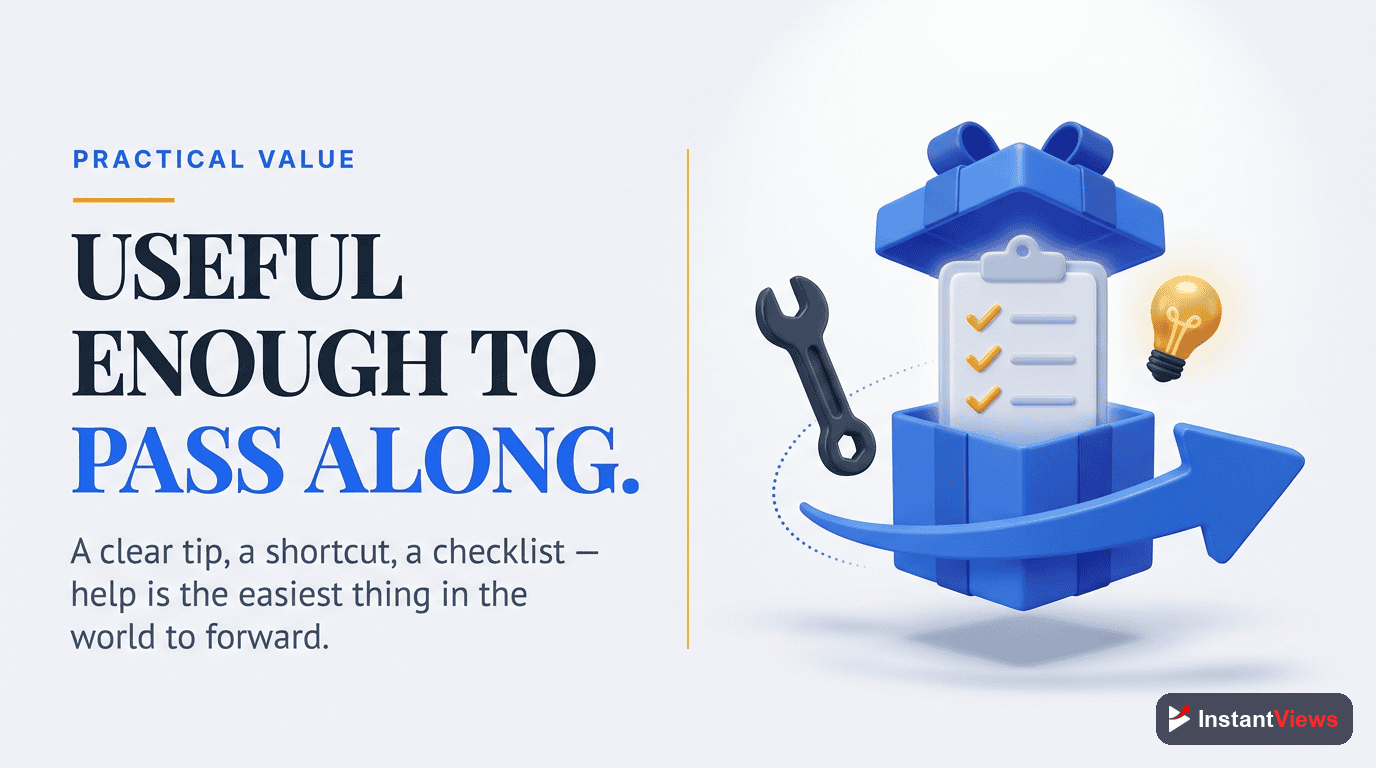
Building a Strong Emotional Hook
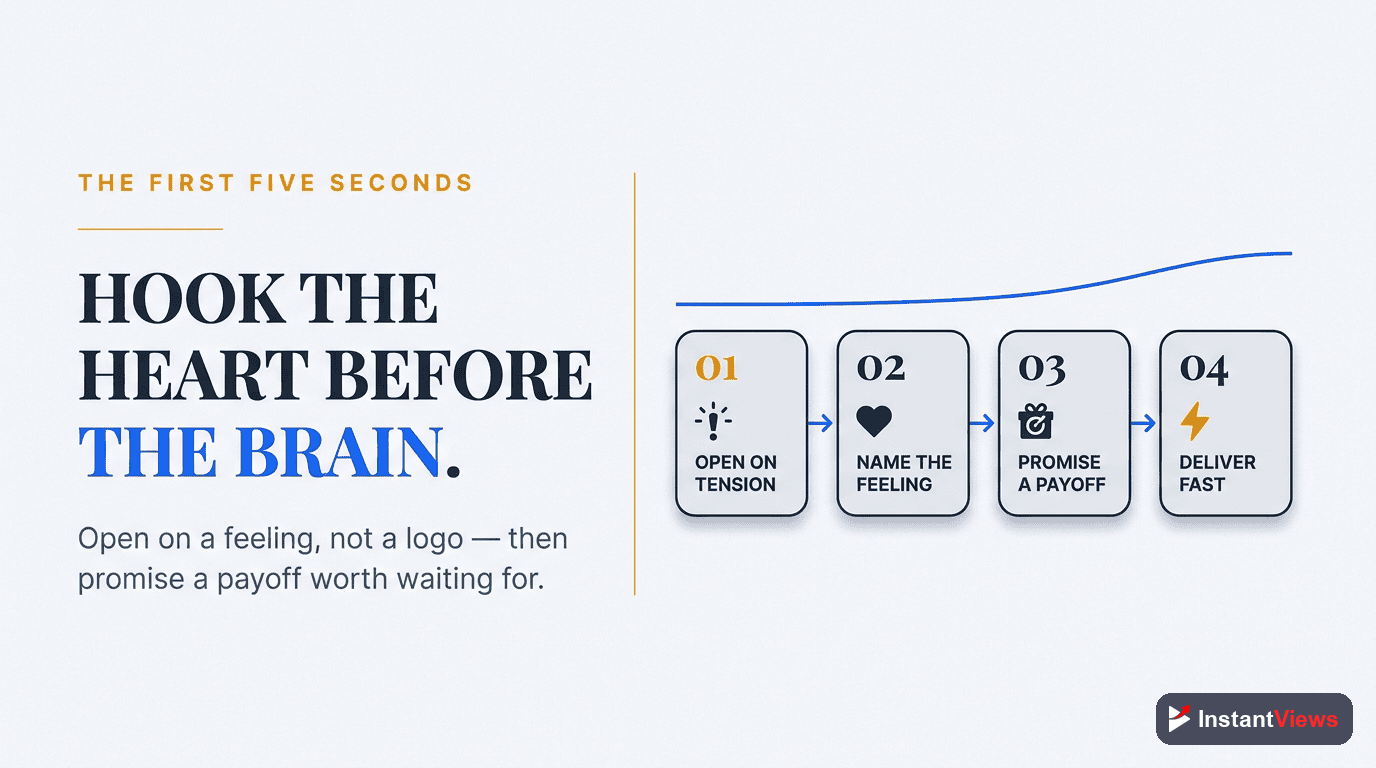
Psychology decides whether a video can be shared; the hook decides whether anyone stays long enough to feel it. The first few seconds carry an outsized load, because a viewer who clicks away never reaches the emotional payoff that would have made them share. A strong hook does two jobs at once: it earns the next few seconds of attention, and it plants the first seed of feeling.
The most effective opens lead with the emotion you want to trigger rather than warming up to it. Instead of context and throat-clearing, they drop the viewer straight into awe, surprise, tension, or a burning question.
Hook Patterns That Create Arousal
- The surprising claim: open with a statement that violates expectations and demands an explanation.
- The open loop: pose a question or tease a result you only resolve later, creating curiosity tension.
- The bold visual: lead with the most awe-inducing or dramatic image you have, not your logo.
- The relatable confession: name a feeling or struggle so precisely that the viewer thinks "that is exactly me."
Crucially, the hook must promise an emotion you can actually deliver. A hook that overpromises and underdelivers may win the click but kills the share, because a disappointed viewer has nothing worth passing on. Match the intensity of your open to the genuine payoff that follows, and the two will reinforce each other into a video people want to send.
Making Content Easy to Share
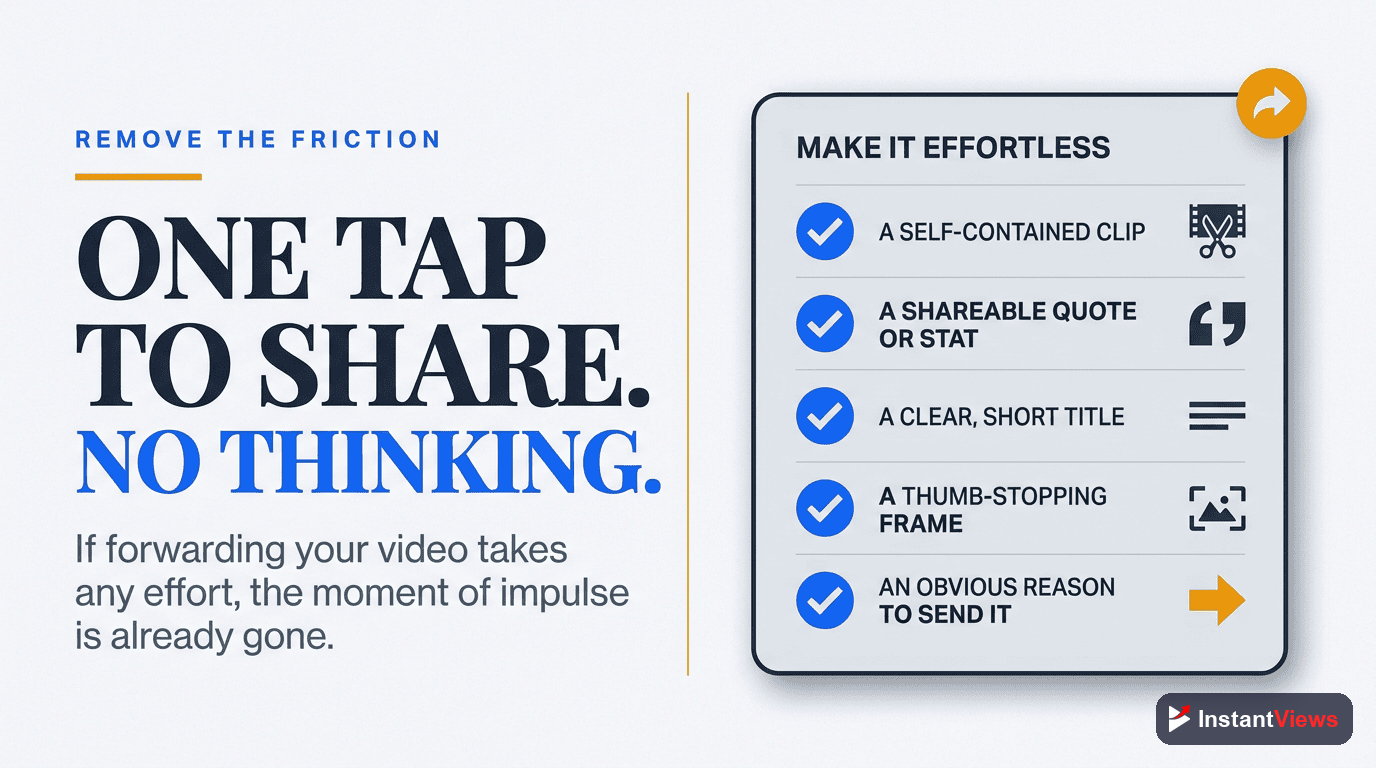
Even content with a strong motive and a great hook can stall if sharing it takes effort or feels awkward. Once you have given people a reason to share, your job is to remove every speck of friction between the impulse and the action.
Reduce the Friction
- One memorable idea: a video built around a single, repeatable idea is easy to describe; a sprawling one is impossible to recommend in a sentence.
- A clear, honest title: the title is what the sharer pastes, so it must communicate the payoff at a glance without baiting.
- Quotable moments: a crisp line, a clean stat, or a visual that makes sense as a clip gives people a shareable fragment.
- Cross-platform fit: a vertical clip or Shorts version travels into places a long horizontal video never will.
Ask — At the Right Moment
A direct invitation to share genuinely helps, but timing and specificity decide whether it lands. Do not bury a robotic "like and share" in the intro. Place the ask at the moment of peak emotion or right after the most valuable payoff, when the viewer is already feeling the urge, and make it specific: "send this to the friend who always says they can't grow on YouTube" beats "share with your friends" every time.
A Worked Example: Engineering a Share
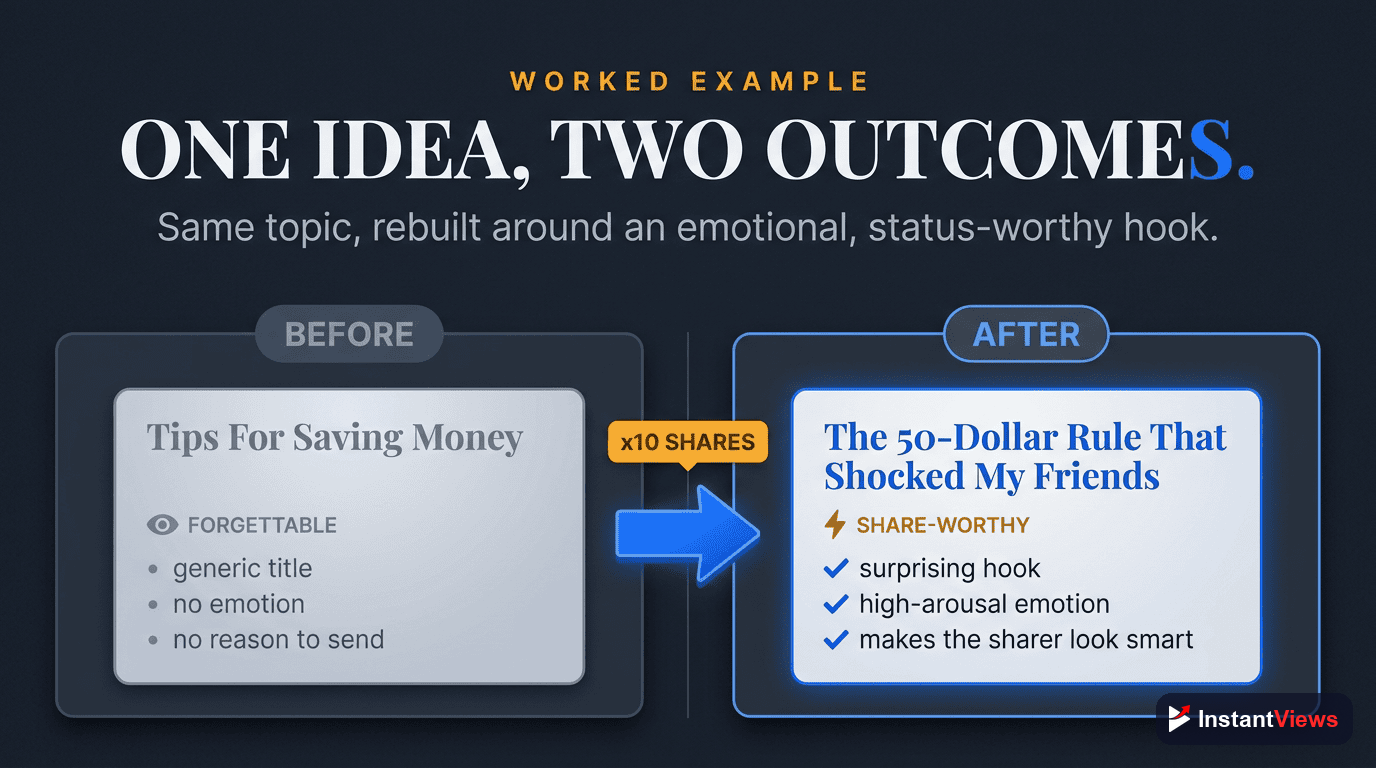
Theory is easier to trust when you watch it applied. Imagine a small finance channel that normally posts calm, useful explainers that earn steady views but almost no shares. Here is how it could rebuild one video around the psychology of sharing, step by step.
Pick the Primary Motive
The creator chooses social currency as the lead trigger: the video will give viewers an insider money fact they can repeat to look financially savvy among friends.
Find the High-Arousal Angle
Instead of "how compound interest works," the angle becomes a surprising, awe-inducing comparison that makes the viewer's jaw drop — turning a dry topic into a moment of genuine surprise.
Write the Emotional Hook
The video opens on the surprising result first, as an open loop — stating the astonishing outcome and promising to explain how it is possible — so curiosity holds the viewer to the payoff.
Make It Repeatable
The whole video is anchored on one memorable idea and a clean, honest title, so a viewer can summarize the value in a single sentence when they recommend it.
Invite the Share at the Peak
Right after the surprising reveal lands — the emotional high point — the creator names the recipient: "send this to the friend who thinks it is too late to start." The ask rides the emotion instead of fighting it.
Same underlying information, completely different result. The original video gave viewers nothing to do with their attention; the rebuilt one hands them surprise to feel, social currency to gain, and a specific person to send it to. That is the difference between content that is watched and content that is shared.
Mistakes That Kill Shares
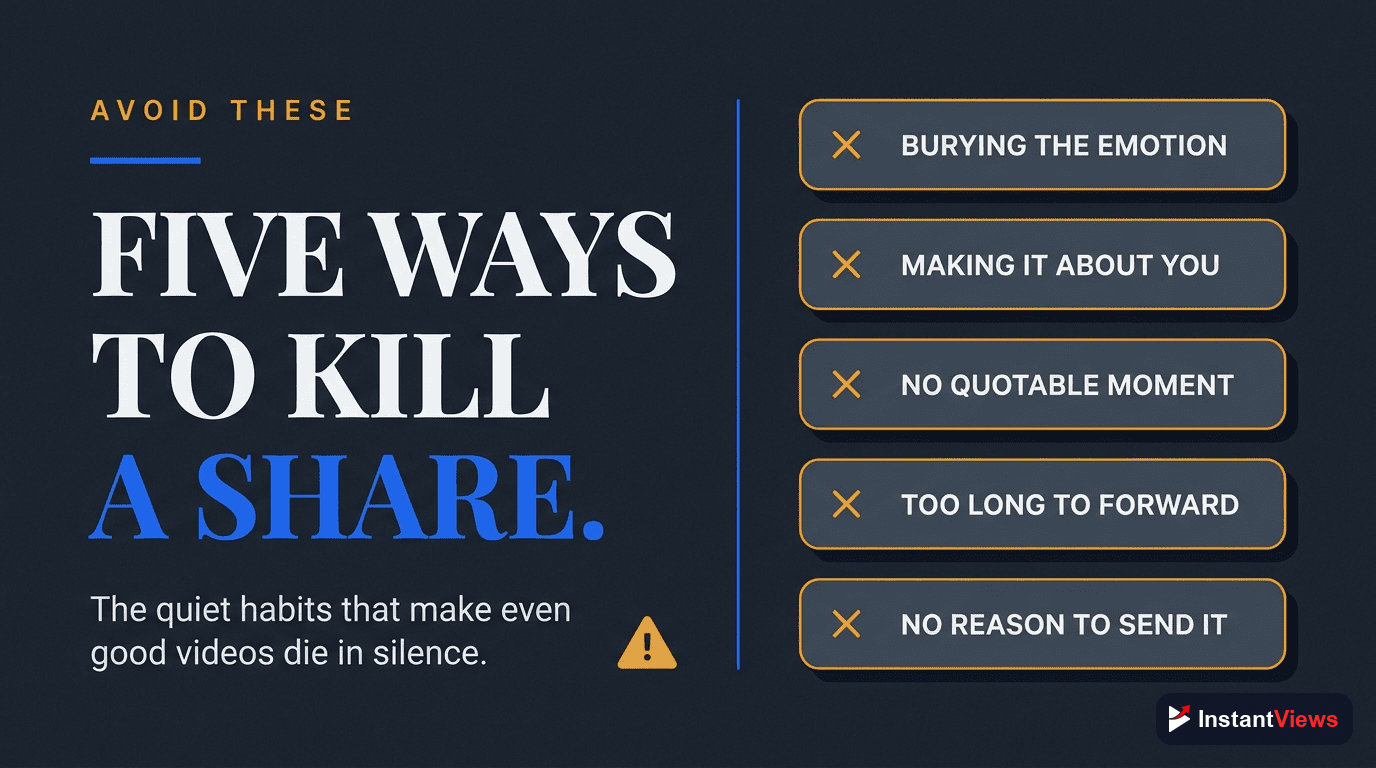
Most share-killing errors are not about quality — they are about ignoring the viewer's motive. Watch for these:
- Aiming for "nice" instead of activating: pleasant, low-arousal content gets a quiet nod and no share. Find the moment that makes people feel something strong.
- Making it about you, not the sharer: if a video gives the viewer no status, usefulness, or identity to gain, there is no reason to pass it on.
- Burying the idea: a video that cannot be summarized in one sentence cannot be recommended in one either.
- Overpromising in the hook: winning the click but betraying the promise leaves nothing worth sharing and erodes trust.
- A generic, badly timed ask: "like and share" dropped into the intro, before any emotion exists, is noise. Ask at the peak and name the recipient.
- Chasing cheap controversy: outrage bait can spike shares while burning the long-term trust that sustains an audience.
Run every concept through one filter before you film: why would a real person share this, and who would they send it to? If you cannot answer in a sentence, the psychology is not there yet — and that is far cheaper to fix on paper than after the upload.
"People do not share content because it is good. They share it because sharing it does something for them — it makes them feel, look smart, or help a friend. Design for that, and the share takes care of itself."
Frequently Asked Questions
People share for psychological and social reasons rather than because you asked them to. The main drivers are emotional arousal (content that makes them feel awe, joy, surprise, or anger), social currency (looking smart or in-the-know), identity expression (sharing reflects who they are), practical value (genuinely useful information), and connection (relating to and bonding with others). Designing your videos around one or more of these motives makes sharing feel natural.
High-arousal emotions drive sharing far more than low-arousal ones. Awe, excitement, amusement, surprise, and even anger activate people and make them want to pass something on. Low-arousal feelings such as contentment or mild sadness rarely produce shares because they leave the viewer calm rather than activated. The goal is to provoke a strong, energizing emotional response, not just a positive one.
Social currency is the idea that what people share affects how others see them. Just as we spend money to buy things, we share content to buy status and reputation. When a video makes the sharer look smart, in-the-know, generous, or ahead of a trend, they share it to gain that social reward. Content that gives the sharer a way to look good spreads because sharing it benefits them, not just you.
Build a sharing trigger into the concept before you film, not after. Open with an emotional hook in the first few seconds, give the viewer a reason to look good for sharing it, tie it to their identity, pack in genuinely useful or surprising information, and tell it as a story. Then remove friction: a clear title, a memorable single idea, and an explicit, well-timed invitation to share.
A direct ask helps, but only when the content already gives people a reason to share. An invitation reminds an activated viewer to act, yet no call to action can rescue content that produces no emotion, status, or usefulness. Ask at the moment of peak emotion or right after delivering a valuable payoff, and tell viewers exactly who to share with rather than issuing a generic plea.
Stories carry information inside a narrative people remember and retell. A list of facts is hard to repeat, but a story with a character, tension, and a resolution is easy to pass on, and your message travels along with it. People also share stories to relate to one another. When viewers see themselves in your story, sharing it becomes a way of saying "this is me" to their own audience.
No. Views can come from search, suggested videos, and ads, while shares come from a viewer deciding your content is worth their personal reputation. Shares are a stronger growth signal because each one is a trusted recommendation that reaches a new audience the algorithm could not have found on its own. A video can rack up views yet generate almost no shares if it never triggers an emotional or social motive.
Yes. Practical value is one of the most reliable sharing triggers because people share useful information to help the people they care about. Even a dry topic becomes shareable when you package it as a clear, immediately usable tip, list, or shortcut that the viewer can pass to someone who needs it. Usefulness is also durable, so practically valuable videos keep earning shares long after they are published.
Conclusion
Shareable content is not an accident of luck or a trick of format — it is the predictable result of understanding why people hit share. They share to feel something, to look good, to express who they are, to help the people they care about, and to connect. Build one or more of those motives into your idea before you film, and you stop hoping for shares and start engineering them.
The practical workflow is straightforward: choose the motive, lead with a high-arousal emotional hook, anchor the video on a single repeatable idea, and remove every bit of friction between the impulse to share and the action. Then ask — specifically, and at the moment of peak feeling — naming exactly who the viewer should send it to.
As YouTube keeps rewarding genuine satisfaction over manufactured volume, the videos that earn real human shares are the ones that win. Stop asking only whether your content is good, and start asking why someone would stake their reputation to pass it on. Answer that question on purpose, and your best work will travel far beyond the audience the algorithm ever planned to give you.