- Video is the dominant marketing format, and YouTube is its anchor with 2.7 billion-plus monthly users and a creator economy it has paid over $100 billion
- The living-room TV is the new battleground — connected TV has passed mobile as the number one US viewing surface at around 60% of watch time
- AI is transforming production, but platforms reduce low-value mass-produced content, so quality and originality remain the moat
- Short and long form are converging into one connected funnel: Shorts for discovery, long-form for trust
- Video is becoming shoppable, turning it into a direct-response channel rather than a pure branding play
Video has quietly become the default language of the internet. People reach for it to learn a skill, compare two products, understand the news, or simply unwind — and they reach for it on every screen they own. For marketers, that shift has moved video from a "nice to have" line item to the center of the entire strategy. The question is no longer whether to invest in video, but how to invest in a way that still works as the landscape keeps changing.
At the heart of that landscape sits YouTube. With more than 2.7 billion monthly active users and roughly a billion hours of video watched every single day, it is the largest video platform on earth and the anchor of the entire format. Over the past four years it has paid creators more than $100 billion, and its ecosystem now supports hundreds of thousands of creator jobs. When people talk about the future of video, they are, in large part, talking about the future of YouTube.
But the platform that wins the next decade will not look exactly like the one we use today. The screen is changing. The tools are changing. The line between watching and buying is dissolving. And the relationship between short clips and long videos is being rewritten in real time.
This guide maps where video marketing is headed — connected TV, AI-assisted production, the convergence of short and long form, and shoppable video — and lays out a practical plan to future-proof your channel so that whatever changes next, your strategy still holds.
Why Video Dominates Marketing
For most of the past decade, marketers debated whether video was worth the cost and effort. That debate is over. Audiences now expect to meet brands, products, and ideas through video first — they search for it, they trust it, and they spend more time with it than with any other format. A written page can explain a product, but a video can demonstrate it, build a relationship with a real face and voice, and earn trust in a way text rarely matches.
There are a few reasons video pulled ahead so decisively:
- It compresses trust: Watching a person explain something honestly does in two minutes what a wall of text struggles to do at all.
- It travels across screens: The same video works on a phone during a commute, a laptop at a desk, and a television in the living room.
- It is discoverable: Video lives inside the world's second-largest search engine and a recommendation system that actively brings new audiences to good content.
- It compounds: A strong video keeps earning views, leads, and sales for years, unlike an ad that stops the moment the budget does.
This is why video now sits at the center of the marketing mix rather than at the edge. And because video and YouTube are so tightly linked in the minds of audiences, the platform's direction effectively sets the direction for the format as a whole.

Why YouTube Is the Anchor
Plenty of platforms host video, but only one functions as the anchor of the entire ecosystem. YouTube's advantage is not a single feature — it is the rare combination of scale, reach, economics, and breadth that no rival matches all at once.
Unmatched scale and reach
At 2.7 billion-plus monthly users and a billion hours watched daily, YouTube reaches a larger and more diverse audience than any competitor. Just as importantly, it reaches them on every screen — phones, tablets, laptops, and, increasingly, the living-room television.
A real creator economy
Having paid creators more than $100 billion over four years, YouTube has built an economy, not just a feed. That ecosystem supports hundreds of thousands of creator jobs and gives the platform a depth of original content that algorithm-only platforms cannot easily replicate.
Both search and discovery
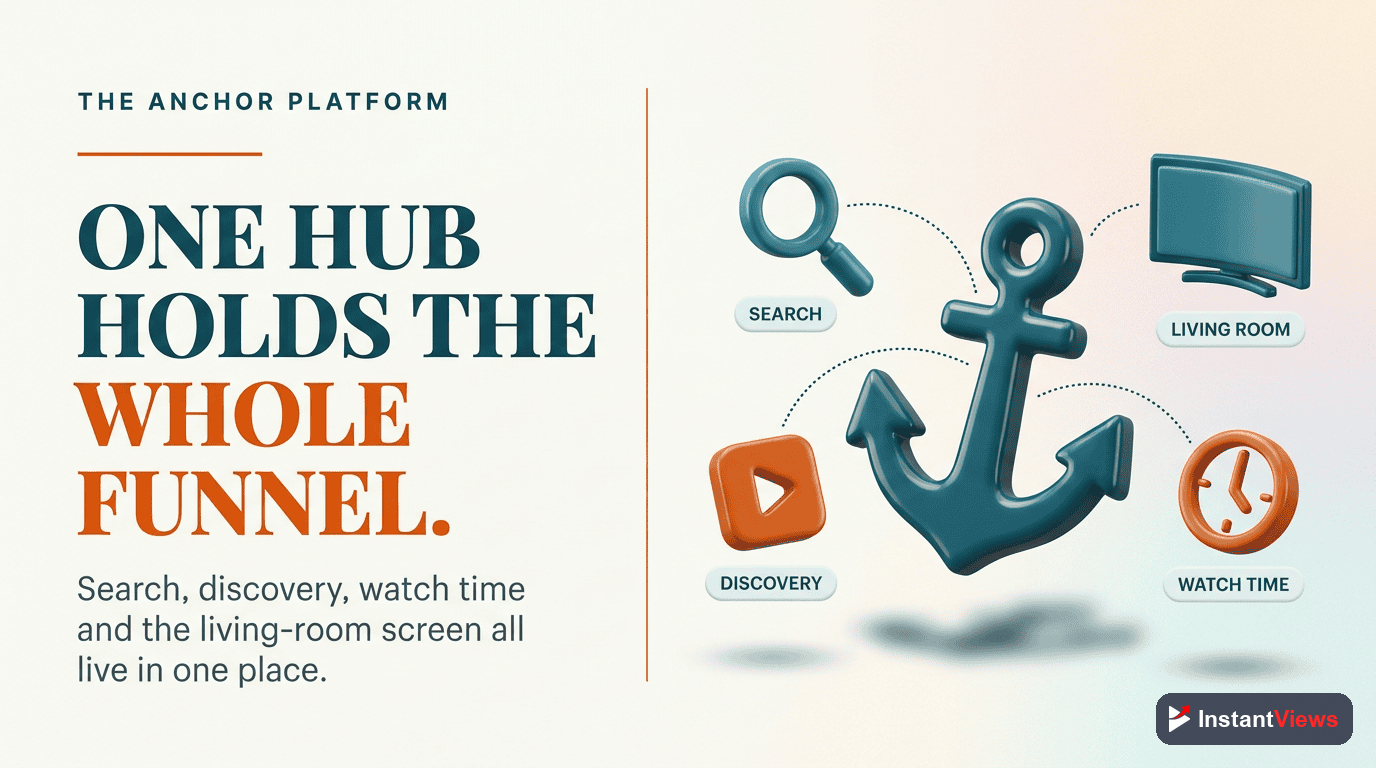
YouTube is simultaneously a search engine, where people look for specific answers, and a discovery engine, where recommendations surface content viewers did not know they wanted. That dual nature lets a single channel attract intent-driven searchers and casual browsers from the same library of videos.
Add the fact that the platform spans short and long form and is now building commerce directly into video, and YouTube ends up touching every major trend shaping the future at the same time. That is why it remains the anchor — and why a strategy built around it is well positioned for whatever comes next.
The TV Screen Is the New Battleground
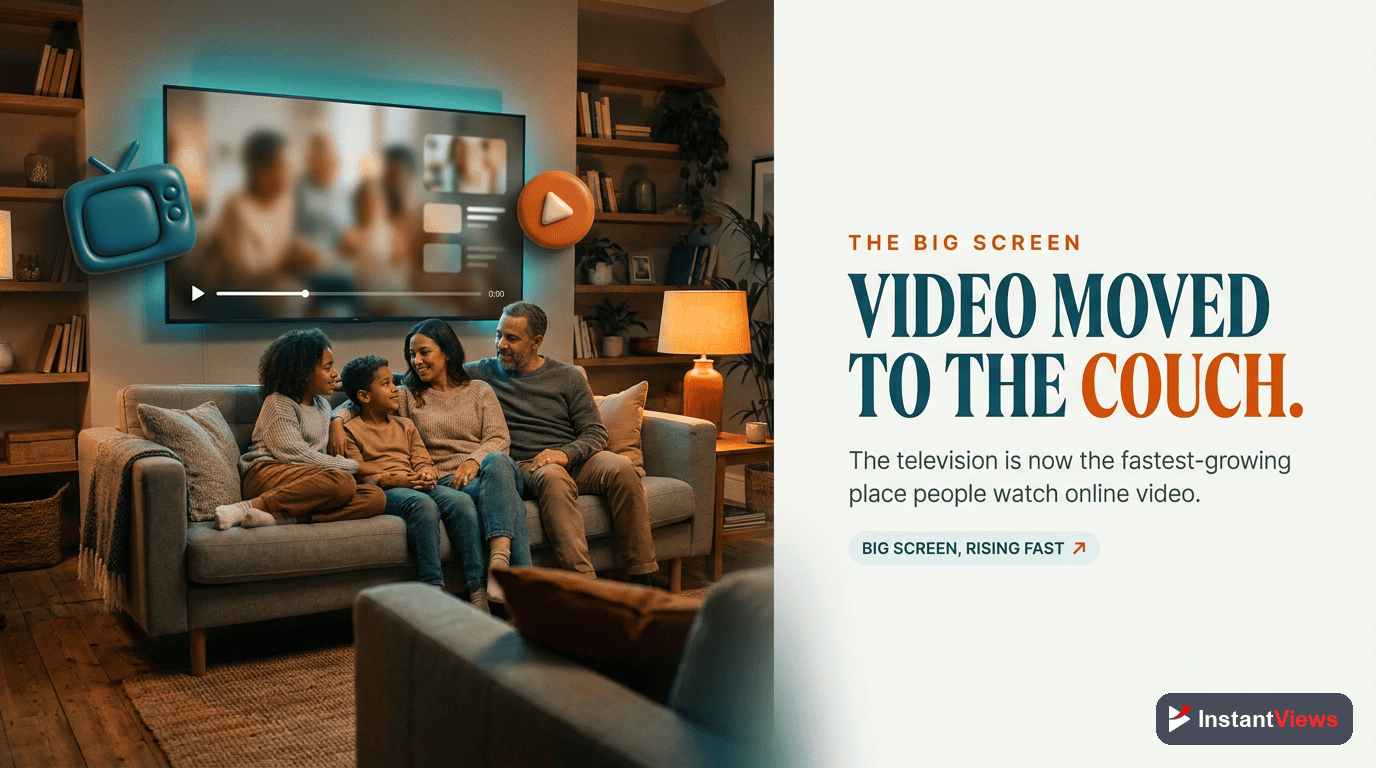
The single biggest shift in how people watch video is happening in the living room. Connected TV has passed mobile as the number one viewing surface in the United States, now accounting for around 60% of US watch time. The phone is no longer the default screen for a huge share of viewing — the television is.
This changes the job of a video. For years, creators optimized for a small screen held close to the face: fast cuts, big captions, and an assumption that audio might be off. On a 65-inch screen across the room, the rules are different. Production values matter more. Audio matters more. The experience starts to feel less like scrolling and more like watching television — because, increasingly, it is.
What designing for the big screen looks like
- Clear, uncluttered visuals that read well from a distance rather than busy frames built for a phone held inches away.
- Strong, clean audio, since living-room viewing usually means the sound is on and coming through real speakers.
- Readable on-screen text sized for a screen across the room, not a palm.
- Pacing that rewards lean-back attention, where viewers are settled in rather than thumbing past in a feed.
AI Is Transforming Production
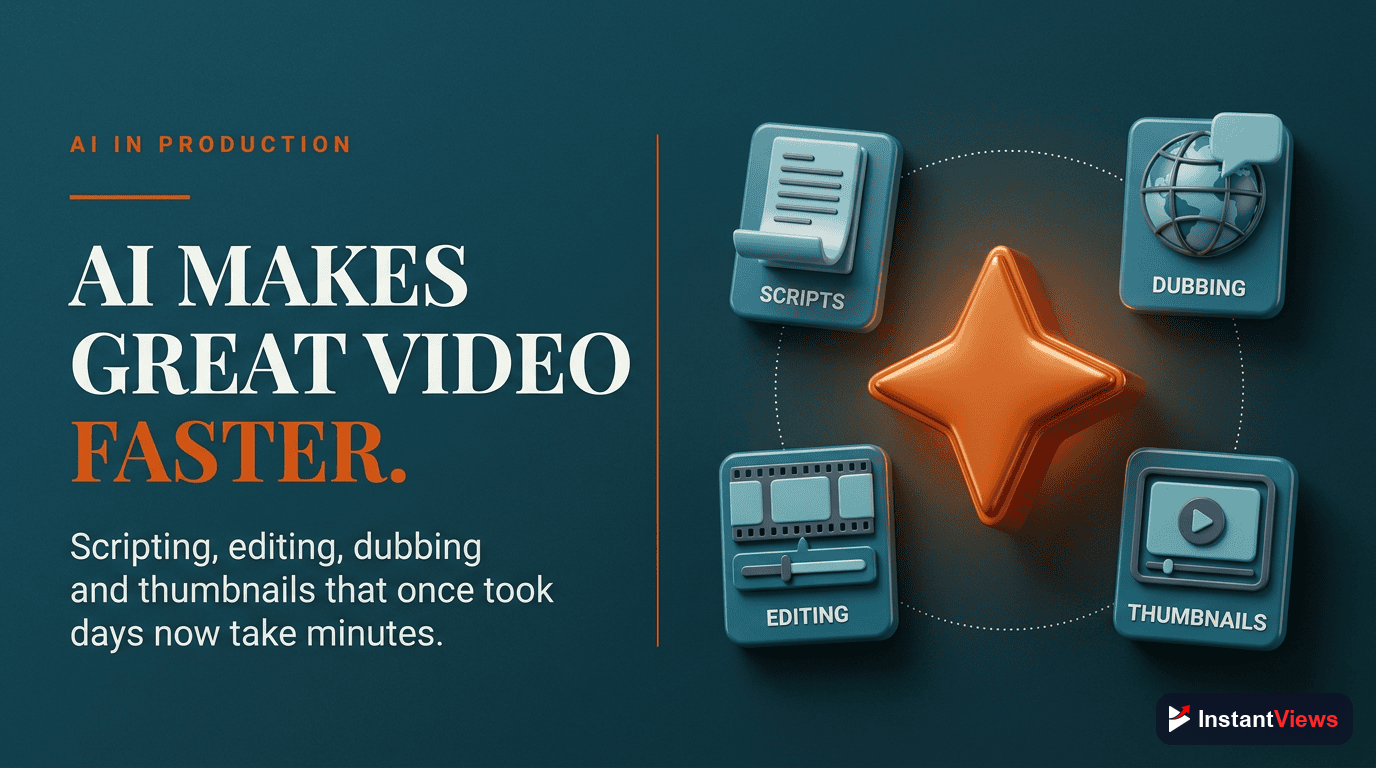
Artificial intelligence has moved from novelty to everyday tool in the video workflow. More than a million channels already use AI tools to research topics, draft scripts, generate voiceovers, edit footage, and produce content faster than ever. The practical effect is enormous: tasks that once took a small team and several days can now be handled by one person in an afternoon.
That speed is a genuine advantage — but only if it is pointed in the right direction. The temptation is to use AI to flood the platform with cheap, repetitive uploads. That strategy is already failing, because platforms are actively reducing the spread of low-value, mass-produced AI content. The 2026 algorithm optimizes for viewer satisfaction and retention, so content that does not genuinely hold an audience simply does not travel, no matter how quickly it was made.
The right way to use AI
The creators who win with AI treat it as an amplifier of quality, not a replacement for it:
- Speed up the grind: Use AI for research, rough scripts, transcription, and first-pass edits so you spend your time on ideas and storytelling.
- Raise production value: Reinvest the hours you save into better visuals, sharper writing, and stronger hooks.
- Keep a human at the center: Original insight, real expertise, and a recognizable personality are exactly what AI cannot manufacture — and exactly what audiences reward.
Using AI to mass-produce generic videos is a short-lived strategy. As platforms keep reducing the reach of low-value content, originality and genuine value become the moat. Let AI handle the busywork — never let it replace the reason people followed you in the first place.
Short and Long Form Are Converging
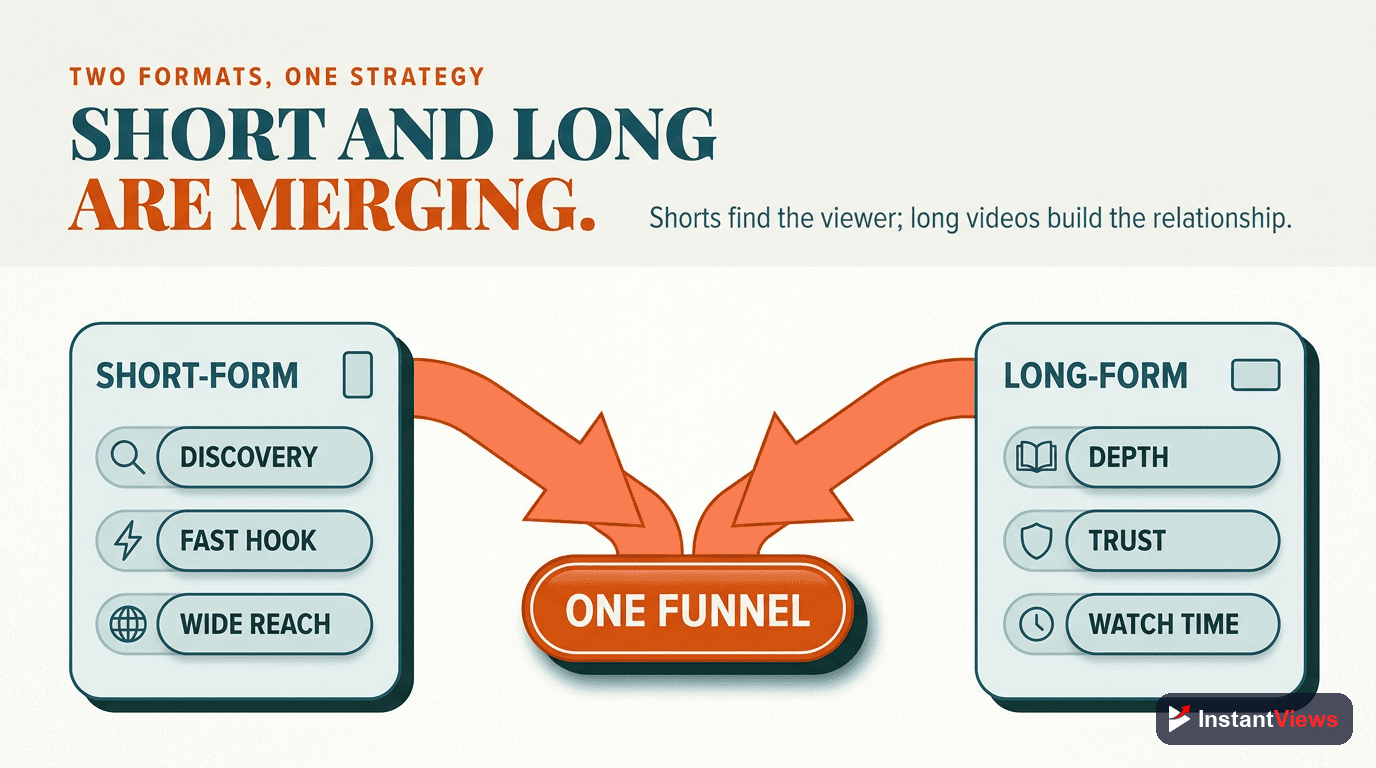
For a while, short-form and long-form video felt like rival strategies, and creators argued about which one mattered more. That framing is fading. In 2026, the two are converging into one connected funnel where each format does a distinct job and hands the viewer off to the other.
Short-form content — led by Shorts, which now draws more than 200 billion views a day — is the discovery engine. It is built to reach people who have never heard of you, to test ideas quickly, and to plant a first impression. Long-form video is the trust engine. It is where you go deep, demonstrate real expertise, and build the relationship that eventually turns a viewer into a customer.
How the connected funnel works
- Discovery (Shorts): A short clip introduces an idea and earns a new viewer's attention.
- Depth (long-form): A longer video expands on that idea, proves your expertise, and earns the subscribe.
- Decision (long-form + commerce): Detailed reviews, demos, and walkthroughs move a trusting viewer toward action.
If you want to see how this attract-trust-convert structure maps onto a complete customer journey, our guide on how to build a YouTube marketing funnel that converts walks through every stage in detail. The key shift to internalize is this: stop choosing between short and long form, and start designing them as two halves of the same system.
Video Is Becoming Shoppable
The most consequential shift for marketers may be the quietest one: the gap between watching and buying is closing. Video is becoming shoppable, with fewer and fewer steps between the moment a viewer sees something and the moment they can act on it. What used to require leaving the video, opening a browser, searching for the product, and finding a checkout page is collapsing into a near-immediate path to purchase.
That changes what video is. For years, video was treated mainly as a branding channel — great for awareness, hard to tie to revenue. As shopping moves directly into the viewing experience, video becomes a direct-response channel too: a single video can build awareness and drive a sale in the same session. The implications are significant:
- Measurement gets sharper: When buying happens close to watching, you can connect content to revenue far more directly than before.
- Every video is a potential storefront: Reviews, demos, and walkthroughs can carry a clear path to purchase, not just a link buried in a description.
- Friction becomes the enemy: The fewer steps between interest and action, the more a great video is worth.
For brands, this is the long-awaited answer to "what is video actually worth?" When watching and buying live in the same place, the value of compelling video becomes far easier to see — and far easier to justify.
Get Ahead of the Curve
Explore our free suite of YouTube tools to research topics, sharpen your titles and thumbnails, and analyze what is working — so your strategy is ready for whatever comes next.
Explore Free YouTube Tools →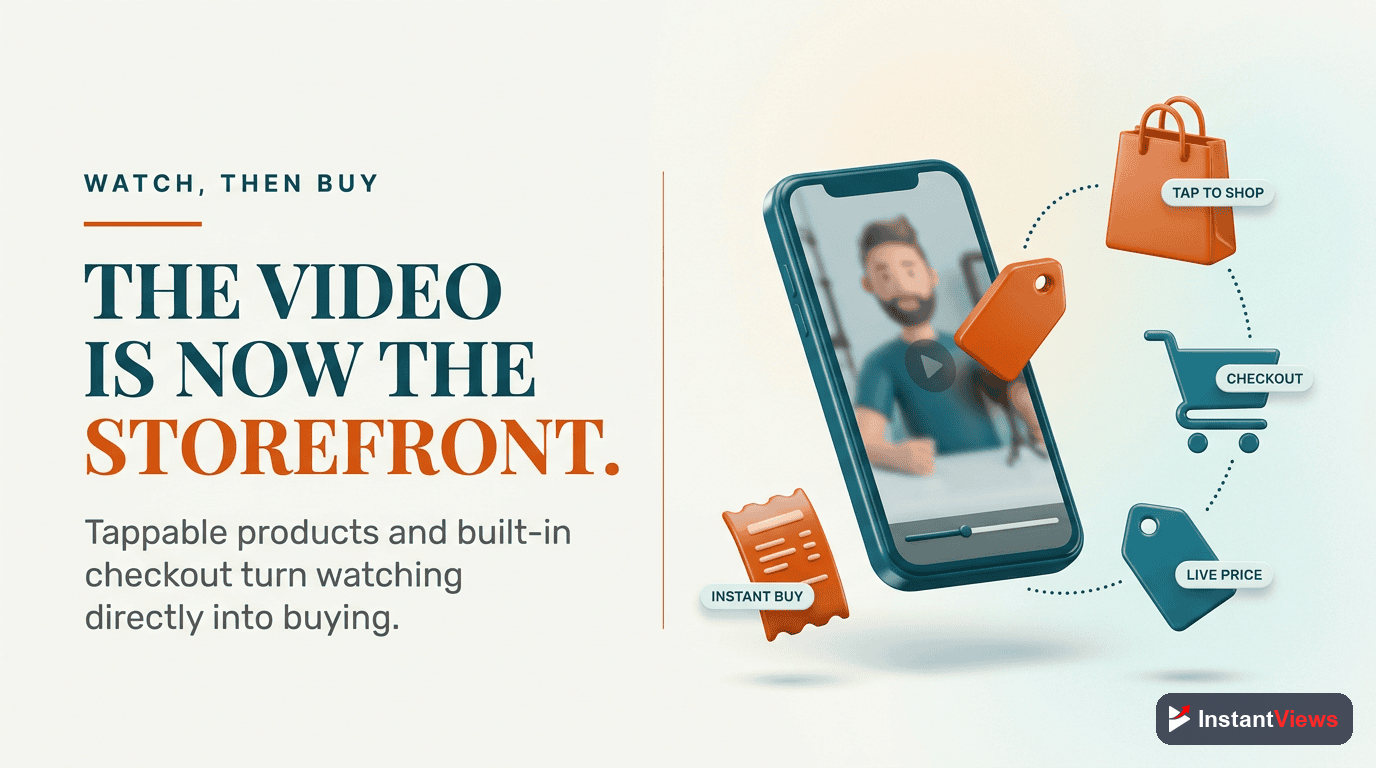
The Trends at a Glance
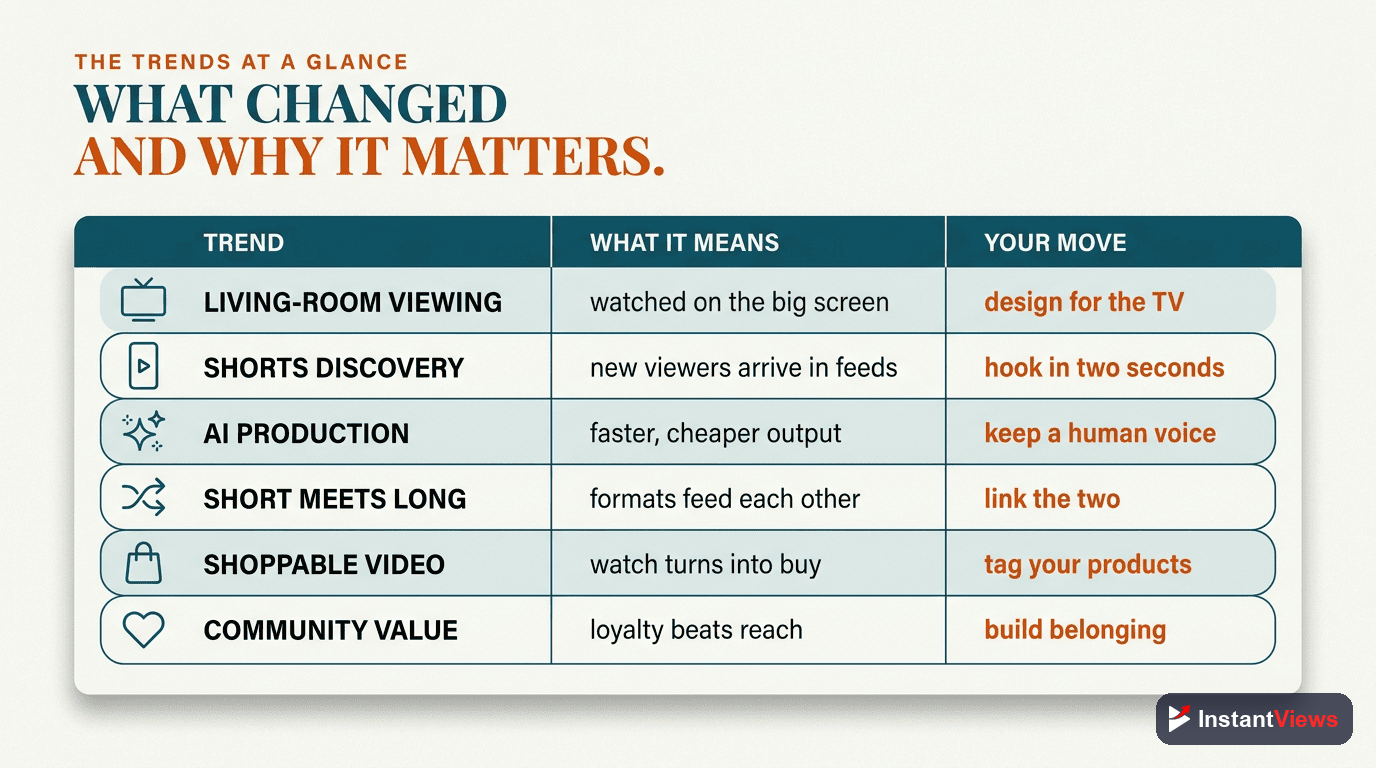
Four forces are reshaping video marketing at once. The table below summarizes what is changing in each and the practical move it demands from you.
| Trend | What's Changing | What to Do |
|---|---|---|
| Connected TV | The living-room screen has passed mobile as the top US viewing surface, at roughly 60% of watch time. | Design for the big screen: clear visuals, strong audio, and readable on-screen text. |
| AI production | Over a million channels use AI to produce faster, while platforms suppress low-value mass output. | Use AI to raise quality and speed, and keep original ideas and real expertise at the center. |
| Short + long convergence | Shorts and long-form are merging into one funnel rather than competing strategies. | Use Shorts for discovery and long-form for trust, and let each feed the other. |
| Shoppable video | The steps between watching and buying are shrinking, making video a direct-response channel. | Connect content to commerce and remove friction between interest and action. |
Future-Proof Your Strategy
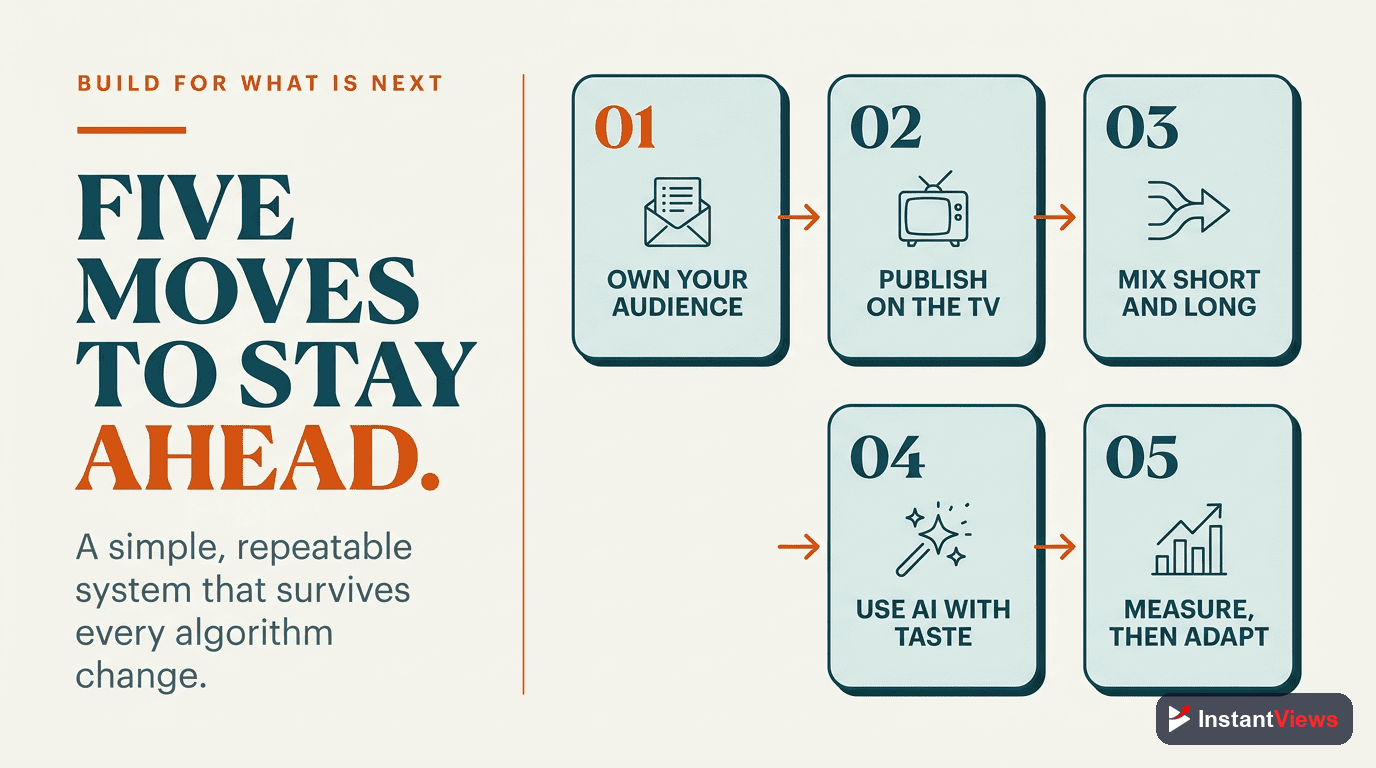
You cannot predict every change coming to video, but you can build a strategy resilient enough to survive them. The goal is not to chase each new feature — it is to align with the durable directions the format is moving and let the fundamentals carry you through the rest. Here is a practical sequence.
Build One Connected Funnel
Stop treating Shorts, long-form, and connected TV as separate projects. Use short clips to attract new viewers, longer videos to build trust, and the big screen for immersive watch time — all feeding one customer journey.
Design for the Big Screen
Assume a large share of your audience is watching on a television across the room. Invest in clear visuals, clean audio, and readable text so your content holds up at a distance, not just on a phone.
Use AI to Raise Quality
Bring AI into research, scripting, and editing to move faster, then pour the time you save back into originality and production value. Speed should serve quality, never replace it.
Connect Content to Commerce
Reduce the steps between watching and buying. Make sure your reviews, demos, and walkthroughs carry a clear, low-friction path to the next action so video earns revenue, not just attention.
Lead With Authenticity
Anchor every video in real expertise, a genuine point of view, and a recognizable personality. Authenticity is the one advantage no platform shift or AI tool can copy — it is your durable edge.
Mistakes That Will Age Badly
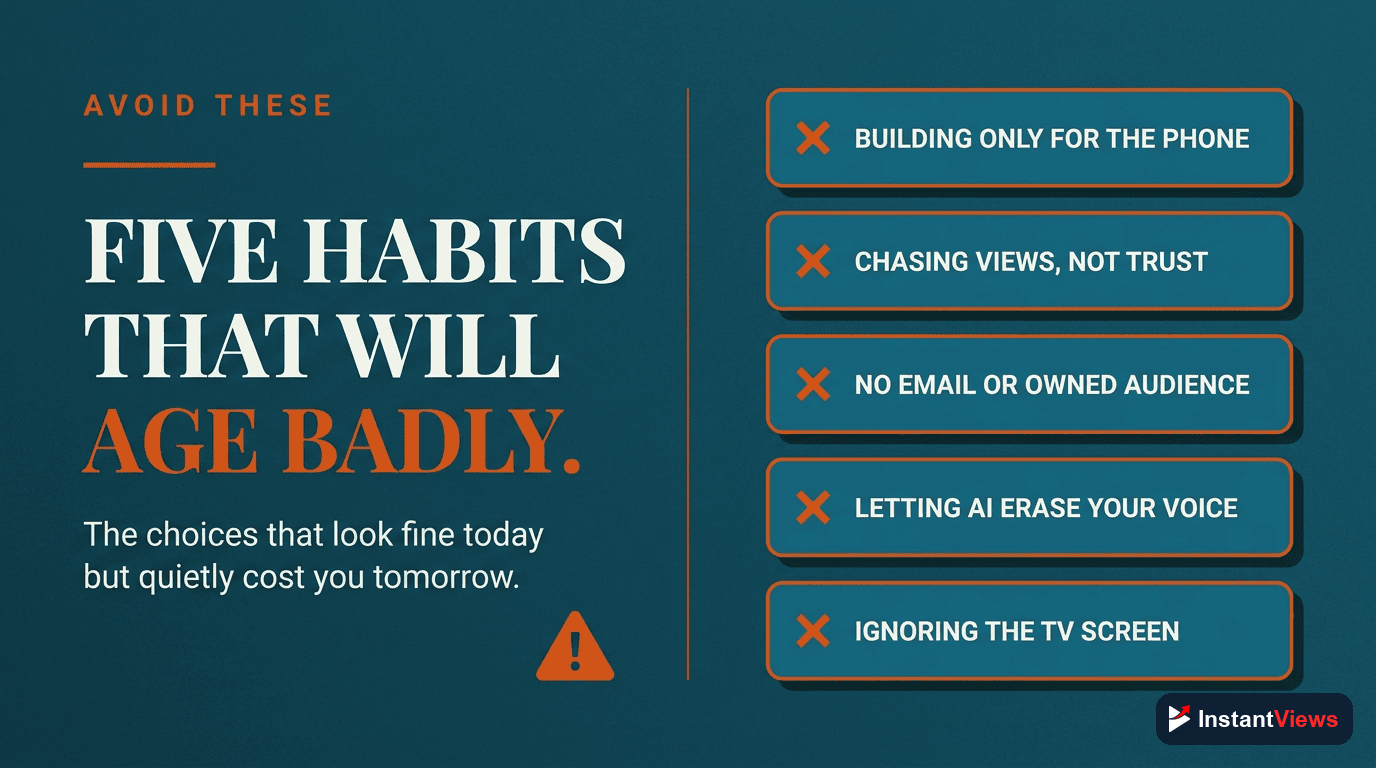
As the format evolves, some habits that worked in the past are quietly becoming liabilities. Avoid these if you want a strategy that still stands a few years from now:
- Designing only for the phone: If your content falls apart on a living-room TV, you are optimizing for a shrinking share of attention.
- Mass-producing AI filler: Volume without value is exactly what platforms are working to suppress. It will not scale.
- Picking a side in the short-vs-long debate: Treating the two as rivals wastes the leverage that comes from connecting them.
- Treating video as branding only: As video becomes shoppable, refusing to connect content to commerce leaves real results on the table.
- Chasing trends over fundamentals: Features come and go. Genuine value, retention, and trust are what survive every change.
The thread running through all of these is the same: durable fundamentals beat short-term tactics. The platforms will keep changing the surface, but the things that make a video worth watching — clarity, value, originality, and trust — only grow more important.
"The future of video marketing will not belong to whoever publishes the most. It will belong to whoever earns the most attention on the biggest screens — with content people genuinely want to watch, and a clear path from watching to acting."
Frequently Asked Questions
Yes. Video is the dominant marketing format, and YouTube is its anchor with more than 2.7 billion monthly active users and roughly a billion hours watched every day. Audiences increasingly expect to learn about products, brands, and ideas through video first, which is why most serious marketing strategies now treat video as the centerpiece rather than an add-on.
Connected TV has passed mobile as the number one viewing surface in the United States, accounting for around 60% of US watch time. That means a large share of your audience now watches YouTube on a living-room screen rather than a phone. Designing content that looks great on the big screen — clear visuals, readable text, and strong audio — is no longer optional.
No. AI is transforming production, and more than a million channels already use AI tools to script, edit, and produce faster. But platforms are actively reducing the spread of low-value, mass-produced AI content. The winners use AI to raise quality and work faster, while keeping original ideas, real expertise, and authentic personality at the center. Originality remains the moat.
Both, because they are converging into one connected funnel. Short-form content like Shorts is built for discovery and reaching new viewers, while long-form video builds the trust that turns viewers into customers. The smartest approach uses Shorts to attract attention and longer videos to deepen the relationship, treating them as two parts of the same system.
Shoppable video reduces the number of steps between watching and buying, letting viewers act on what they see with far less friction. It turns video from a pure branding channel into a direct-response one, where a single video can drive both awareness and a sale. As the gap between "see it" and "buy it" closes, video becomes measurable much closer to revenue.
Build a connected funnel across Shorts, long-form, and connected TV; design for the big screen; use AI to raise quality rather than mass-produce; connect your content directly to commerce; and lead with authenticity. Focusing on durable fundamentals — genuine value, retention, and trust — protects you from any single platform change.
YouTube rewards content that satisfies viewers, regardless of how it was made. The 2026 algorithm optimizes for viewer satisfaction and retention, so a thoughtful video assisted by AI can do very well. What it discourages is repetitive, low-effort mass production designed to game the system rather than serve an audience.
YouTube combines scale, reach across every screen including the living-room TV, a creator economy it has paid more than $100 billion over four years, and an ecosystem that supports hundreds of thousands of creator jobs. It spans short and long form, search and discovery, and is building commerce directly into video — covering every trend shaping the future at once.
Conclusion
Video has become the dominant language of marketing, and YouTube is the anchor that holds the whole format together — a platform reaching billions of people across every screen, paying creators more than $100 billion, and now spanning short and long form, search and discovery, and commerce all at once. When you build around it, you are building around the center of where attention lives.
The forces shaping what comes next are already visible: the living-room TV is the new battleground, AI is reshaping how content is made, short and long form are merging into one funnel, and video is becoming shoppable. None of these requires you to gamble on a prediction. They simply point in clear directions — design for the big screen, use AI to raise quality, connect your formats, and shorten the path from watching to buying.
Above all, lead with authenticity. Platforms will keep changing the surface, but genuine value, retention, and trust are the fundamentals that survive every shift. Build a connected funnel, point your tools toward quality instead of volume, and stay unmistakably yourself — and your video strategy will be ready not just for 2026, but for whatever comes after it.